Knowledge Electrode How does the dielectric barrier mechanism of PTFE maintain signal fidelity in microelectrodes? Expert Insights
Author avatar

Tech Team · Kintek

Updated 1 month ago

How does the dielectric barrier mechanism of PTFE maintain signal fidelity in microelectrodes? Expert Insights


Polytetrafluoroethylene (PTFE) preserves signal fidelity in microelectrodes by acting as a near-perfect dielectric barrier that prevents energy leakage. Its molecular structure minimizes dielectric loss and interference, ensuring that even the faintest electrical signals remain intact from the source to the sensor. This stability is primarily driven by the unique atomic properties of fluorine, which create an exceptionally inert and non-polar insulation layer.

Core Takeaway: PTFE maintains signal integrity by leveraging low polarizability and minimal dipole moments to eliminate dielectric loss. This makes it an essential material for high-frequency and low-current applications where signal distortion must be avoided.

The Chemical Foundation of PTFE Insulation

The Role of High Electronegativity

The dielectric strength of PTFE starts with the high electronegativity of fluorine. Because fluorine holds onto its electrons so tightly, the carbon-fluorine bonds in the polymer chain are incredibly stable and resistant to external electrical influence.

Eliminating Dipole Moments

The symmetrical structure of the PTFE molecule ensures that individual bond polarities cancel each other out. This results in minimal dipole moments, meaning the material does not easily develop internal charges that could interfere with the signal traveling through the microelectrode.

Achieving Low Polarizability

Because the electrons in PTFE are so tightly bound, the material exhibits low polarizability. It does not react or shift significantly when exposed to an external electric field, which prevents the insulation from "soaking up" or distorting the electrical data it is meant to protect.

The Impact on Signal Fidelity

Minimizing Dielectric Loss

In high-frequency measurements, many materials lose energy through heat or molecular vibration, a phenomenon known as dielectric loss. PTFE’s near-ideal insulation properties keep this loss to a minimum, ensuring that the signal reaches its destination with its original power and clarity.

Preventing Interference in Microelectrodes

Microelectrodes often deal with very low currents, where even minor external interference or parasitic capacitance can overwhelm the data. The PTFE barrier acts as a definitive shield, isolating the conductive path from the surrounding environment to prevent noise.

Reliability at High Frequencies

As signal frequency increases, standard insulators often fail to provide consistent performance. PTFE maintains its near-ideal insulation across a wide range of frequencies, making it the gold standard for precision electronic sensing.

Understanding the Trade-offs

Mechanical Limitations

While PTFE is an elite insulator, it is a relatively soft material that can "creep" or deform under mechanical pressure. This means that while the electrical signal is protected, the physical integrity of the insulation must be managed carefully in high-stress environments.

Bonding and Adhesion Challenges

The same "non-stick" properties that make PTFE a great dielectric also make it difficult to bond to other components. Specialized etching or mechanical interlocking is often required to integrate PTFE components into a complex microelectrode assembly.

Thermal Processing Requirements

PTFE cannot be processed like standard plastics; it requires high-temperature sintering. This adds complexity to the manufacturing process compared to simpler polymers, though the performance benefits for signal fidelity often justify the extra effort.

Implementing PTFE in Your Electrode Design

If you are integrating PTFE into your microelectrode project, consider your specific performance requirements to maximize its dielectric benefits.

  • If your primary focus is High-Frequency Sampling: Use PTFE to ensure that dielectric loss does not attenuate your signal as frequencies move into the gigahertz range.
  • If your primary focus is Low-Current Detection: Rely on the minimal dipole moments of PTFE to prevent parasitic capacitance from "washing out" your data.
  • If your primary focus is Chemical Stability: Leverage the inert nature of the fluorine bonds to maintain signal fidelity in corrosive or biological environments.

By understanding the molecular mechanics of the PTFE dielectric barrier, you can ensure your microelectrode system delivers the highest possible precision.

Summary Table:

Key Property Physical Mechanism Impact on Signal Fidelity
High Electronegativity Stable Carbon-Fluorine bonds Resists external electrical influence
Zero Dipole Moment Symmetrical molecular structure Eliminates internal charge interference
Low Polarizability Tightly bound electrons Prevents signal distortion and "soaking"
Minimal Dielectric Loss Near-ideal insulation barrier Preserves signal power at high frequencies

Elevate Your Research with Precision Fluoropolymer Engineering

Ensure absolute signal integrity in your most sensitive applications with high-performance PTFE and PFA solutions from KINTEK. Whether you require everyday basic labware (beakers, measuring cylinders, crucibles, dishes, reagent/wash bottles, centrifuge and digestion tubes) or specialized high-purity trace analysis instruments, we deliver the materials science expertise your lab demands.

From comprehensive fluid transfer components (tubing, fittings, valves) and sample prep tools (filters, pipettes, tweezers) to advanced reaction apparatus—including custom electrochemical cells, battery testing fixtures, and microwave digestion vessels—KINTEK manufactures virtually every laboratory supply imaginable.

Why choose KINTEK?

  • End-to-End Customization: Full CNC fabrication for complex, non-standard machined parts.
  • Material Focus: Absolute specialization in high-performance PTFE and PFA.
  • Scalability: We handle everything from bespoke laboratory setups to high-volume orders.

Contact our technical team today to discuss your custom electrode designs or high-purity equipment needs!

Related Products

People Also Ask

Related Products

Custom PTFE Microwave Digestion Vessels for Demanding Applications

Custom PTFE Microwave Digestion Vessels for Demanding Applications

High-purity PTFE microwave digestion vessels for safe, contamination-free sample prep. Ideal for ICP-MS, AAS, and trace analysis. Custom sizes available.

Custom High Purity PTFE Microwave Digestion Vessels and Graphite Block Compatible Acid Evaporation Tanks for Trace Metal Analysis

Custom High Purity PTFE Microwave Digestion Vessels and Graphite Block Compatible Acid Evaporation Tanks for Trace Metal Analysis

Engineered for high-pressure microwave systems and graphite digestion blocks, these custom PTFE vessels ensure zero contamination during trace metal analysis. Benefit from superior chemical resistance and bespoke 44-position configurations for demanding acid evaporation and sample preparation workflows.

Custom PTFE Filtration System Acid Resistant High Purity Semiconductor Grade Chemical Processing Filter

Custom PTFE Filtration System Acid Resistant High Purity Semiconductor Grade Chemical Processing Filter

Optimized for semiconductor and chemical processing, this customizable PTFE filtration system offers unparalleled acid resistance and high-purity performance. Engineered for demanding industrial environments, our bespoke solutions ensure zero contamination and exceptional long-term durability in highly corrosive media.

Custom PFA Micro Column Rack and PTFE Machined Storage Solutions for Trace Analysis

Custom PFA Micro Column Rack and PTFE Machined Storage Solutions for Trace Analysis

Engineered for high-purity laboratory environments, this custom PFA micro column rack and PTFE machined solution provides unmatched corrosion resistance and ultra-low metal background levels for critical trace analysis, sample preparation, and aggressive chemical storage applications.

Custom PTFE Electrolytic Cell Corrosion Resistant Low Background Reaction Vessel with Inlet Outlet Ports

Custom PTFE Electrolytic Cell Corrosion Resistant Low Background Reaction Vessel with Inlet Outlet Ports

Discover professional high-purity custom PTFE electrolytic cells designed for precision electrochemical analysis. Featuring extreme corrosion resistance and low background interference, these reaction vessels offer customizable inlet/outlet ports for seamless integration into demanding industrial or laboratory fluid systems.

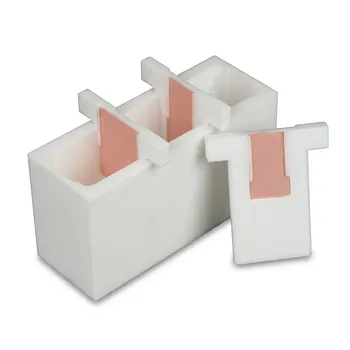
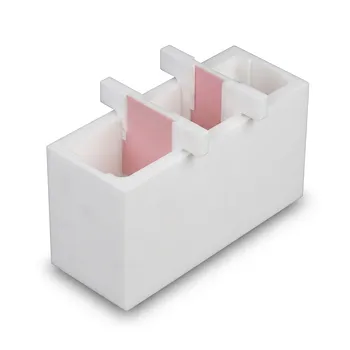
White PTFE Electrolytic Cell with Movable Slider and Insulated Lid for Fluorine Corrosion Resistance

White PTFE Electrolytic Cell with Movable Slider and Insulated Lid for Fluorine Corrosion Resistance

Engineered for extreme chemical resistance this customizable PTFE electrolytic cell features a movable slider and superior insulation ideal for fluorine rich environments ensuring high purity results in semiconductor and electrochemical research applications and advanced manufacturing.

Corrosion Resistant PTFE Electrochemical Cell for New Energy Research Inert Insulating Customizable Lab Reaction Vessel

Corrosion Resistant PTFE Electrochemical Cell for New Energy Research Inert Insulating Customizable Lab Reaction Vessel

Professional PTFE electrochemical cell designed for new energy research featuring exceptional chemical inertness and corrosion resistance. Available in 400ml and 1000ml capacities with full customization for advanced battery testing and high-purity trace analysis delivering reliable industrial performance and extreme durability.

Square PTFE Electrochemical Cell for Silicon Wafer Processing and Hydrofluoric Acid Resistance in Semiconductor and New Energy Research

Square PTFE Electrochemical Cell for Silicon Wafer Processing and Hydrofluoric Acid Resistance in Semiconductor and New Energy Research

This high-purity PTFE square electrochemical cell offers exceptional hydrofluoric acid resistance for silicon wafer processing in semiconductor and new energy sectors, featuring fully customizable dimensions and rigorous bespoke engineering to meet specific demanding laboratory research and industrial production requirements.

High Purity Custom PTFE Reaction Cell Electrolytic Tank for Semiconductor and Polysilicon Industrial Applications

High Purity Custom PTFE Reaction Cell Electrolytic Tank for Semiconductor and Polysilicon Industrial Applications

Discover custom PTFE reaction cells and electrolytic tanks designed for semiconductor and polysilicon manufacturing. These corrosion-resistant units ensure high purity in trace analysis and chemical processing, offering unmatched durability and thermal stability for demanding laboratory and industrial applications.

Custom PTFE Corrosion Resistant Insulating Electrophoresis Reaction Cell with Septum and Valves for Low Background Trace Analysis

Custom PTFE Corrosion Resistant Insulating Electrophoresis Reaction Cell with Septum and Valves for Low Background Trace Analysis

Optimize trace analysis with our custom PTFE corrosion-resistant reaction cells. Featuring insulating electrophoresis designs with integrated septums and valves, these high-purity systems ensure low background and zero metal precipitation for demanding industrial laboratory and chemical research applications today.

PTFE PFA Vacuum Filtration System Corrosion Resistant Customizable Shatterproof Laboratory Device

PTFE PFA Vacuum Filtration System Corrosion Resistant Customizable Shatterproof Laboratory Device

High-performance PTFE and PFA vacuum filtration systems designed for extreme chemical resistance. This customizable, shatterproof unit ensures trace-level purity and exceptional thermal stability for demanding laboratory processes and hazardous fluid transfers in industrial and research applications.

Custom PTFE Laboratory Apparatus Corrosion Resistant Low Background Reaction Cells Precision CNC Fabrication

Custom PTFE Laboratory Apparatus Corrosion Resistant Low Background Reaction Cells Precision CNC Fabrication

Precision-engineered custom PTFE laboratory apparatus designed for extreme chemical resistance and low-background trace analysis. Our bespoke reaction cells and labware provide unbreakable, high-purity solutions for demanding industrial and research environments through specialized precision CNC fabrication and performance engineering.

Custom PTFE Constant Pressure Separatory Funnel Corrosion Resistant Low Background Labware for PFA Flasks

Custom PTFE Constant Pressure Separatory Funnel Corrosion Resistant Low Background Labware for PFA Flasks

Engineered for high-purity trace analysis, this custom PTFE constant pressure separatory funnel offers unmatched chemical resistance and low-background performance. The unit ensures precise fluid transfer and fits PFA flasks, delivering zero-contamination results for demanding industrial, chemical, and laboratory applications.

Acid Resistant PTFE Button Cell Battery Test Fixture Customizable Machining High Purity Electrochemical Testing Clamp

Acid Resistant PTFE Button Cell Battery Test Fixture Customizable Machining High Purity Electrochemical Testing Clamp

High-purity PTFE button cell testing fixtures provide exceptional acid resistance and electrical insulation for precise electrochemical analysis. These customizable clamps eliminate stray currents and prevent electrolyte corrosion during rigorous battery research and development processes in demanding labs.

High Temperature Chemical Resistant 50ml PTFE Syringe Customized Teflon Injector with Threaded Seal for Trace Analysis

High Temperature Chemical Resistant 50ml PTFE Syringe Customized Teflon Injector with Threaded Seal for Trace Analysis

Engineered from virgin PTFE, this 50ml high-purity injector offers exceptional chemical resistance and thermal stability from -200°C to +250°C. Perfect for trace analysis, aggressive solvent handling, and precision dispensing in demanding laboratory environments.

High Purity Laboratory Grade PTFE Syringe Chemical Resistant Fluoropolymer Injector for Trace Analysis

High Purity Laboratory Grade PTFE Syringe Chemical Resistant Fluoropolymer Injector for Trace Analysis

Engineered for superior chemical resistance, this experimental grade PTFE syringe ensures zero contamination in trace analysis. With a wide operating temperature range and precision-machined graduations, it provides a reliable, unbreakable alternative to glass units.

Corrosion Resistant White PTFE Syringe for Laboratory Sampling Low Background Trace Analysis

Corrosion Resistant White PTFE Syringe for Laboratory Sampling Low Background Trace Analysis

High-purity PTFE sampling syringe with clear graduations for precise laboratory fluid handling. Exceptional corrosion resistance and ultra-low background levels ensure analytical integrity in trace metal analysis and aggressive chemical processing environments.

High Purity 25ml PTFE Syringe for Trace Analysis and Automated Syringe Pump Systems

High Purity 25ml PTFE Syringe for Trace Analysis and Automated Syringe Pump Systems

Precision-engineered 25ml PTFE syringe crafted from high-purity virgin resin. Designed for extreme chemical resistance and seamless integration with automated syringe pumps and FEP extension tubing in demanding B2B laboratory and industrial fluid transfer applications.

Custom PTFE Petri Dishes Corrosion Resistant High Purity Low Background Labware

Custom PTFE Petri Dishes Corrosion Resistant High Purity Low Background Labware

High-purity custom PTFE petri dishes designed for trace analysis and membrane casting. These vessels offer exceptional chemical resistance, zero leaching, and a non-stick surface, ensuring the highest integrity for sensitive laboratory processes and demanding industrial applications.

High Purity PTFE Syringe 20ml Virgin Fluoropolymer Syringe Pump Compatible Chemical Resistant Sample Injection Tool

High Purity PTFE Syringe 20ml Virgin Fluoropolymer Syringe Pump Compatible Chemical Resistant Sample Injection Tool

Premium 20ml PTFE syringe crafted from 100% virgin material for extreme chemical resistance and syringe pump compatibility. Ideal for high-purity trace analysis and corrosive fluid handling in advanced laboratory research and industrial manufacturing environments.


Leave Your Message