PTFE serves as a critical material for both cryogenic and semiconductor environments due to its unique ability to remain ductile at near-absolute zero temperatures while maintaining extreme chemical inertness. It functions effectively down to -450°F (-268°C) without becoming brittle and offers a nearly "zero-leachable" profile essential for ultra-pure wafer fabrication processes.
PTFE is the definitive choice for extreme environments because it combines cryogenic ductility with high-purity chemical resistance. It ensures system integrity by preventing mechanical failure at sub-zero temperatures and eliminating contamination risks in sensitive manufacturing cycles.
Exceptional Performance in Cryogenic Environments
Maintaining Ductility and Structural Integrity
Unlike most polymers that become glass-like and shatter at low temperatures, PTFE maintains its structural integrity even at liquid nitrogen temperatures and below. It resists the typical "embrittlement" seen in other materials, allowing it to support the long-term storage of sensitive reagents without cracking.
Low Friction and Dry Running Capabilities
In cryogenic conditions, standard lubricants freeze and become abrasive. PTFE’s extremely low friction allows components like seals and bearings to run "dry," providing reliable motion in environments ranging from -238°F to -460°F.
Reliability with Super-Cooled Media
PTFE is widely utilized in industries handling liquid hydrogen, liquid oxygen, and compressed natural gas (CNG). Its stability ensures that seals and containers do not fail when exposed to these extreme thermal stresses in aerospace, pharmaceutical, and energy sectors.
Excellence in High-Purity Semiconductor Manufacturing
Minimizing Extractables and Leachables
In semiconductor manufacturing, even trace amounts of metallic ions or organic contaminants can ruin a wafer. Virgin PTFE is used for connectors and tubing because it has extremely low extractables, ensuring that process fluids remain ultra-pure throughout the delivery system.
Stability During Rapid Thermal Cycling
Wafer fabrication involves frequent and rapid temperature swings. PTFE maintains its mechanical stability during these cycles, preventing the seals from cracking or losing their seating, which is vital for maintaining the "immaculate conditions" required for chip production.
Eliminating Dead Volumes and Contamination
Machined PTFE components allow for crevice-free connections, which are essential for preventing bacterial growth and particle generation. The naturally smooth surface of PTFE bellows and containers prevents particulate buildup, reducing the risk of system-wide contamination.
Understanding the Trade-offs and Material Selection
Virgin vs. Modified PTFE
While Virgin PTFE offers the highest purity, it may lack the gas impermeability required for some high-vacuum applications. Modified PTFE (mPTFE) is often substituted in cryogenic service because it offers superior stretch recovery and better sealability against counter-surfaces.
Wear Resistance vs. Purity
Standard PTFE can be susceptible to "cold flow" or deformation under heavy mechanical loads. While polymeric-filled PTFE compounds provide better wear and extrusion resistance, the addition of fillers can introduce potential contaminants, making them less ideal for the most sensitive high-purity semiconductor stages.
Environmental Limitations
Although PTFE is chemically inert to almost all reagents, its performance depends on a complete understanding of the operating pressure and surface speeds. For high-load applications, users must specify high PV (Pressure-Velocity) grades to prevent premature component failure at speeds up to 30 m/s.
How to Apply This to Your Project
When selecting a PTFE grade for your specific application, consider the primary stressor of your environment:
- If your primary focus is maximum purity: Utilize Virgin PTFE to ensure the lowest possible level of extractables and leachables in your fluid handling systems.
- If your primary focus is cryogenic sealing: Opt for Modified PTFE (mPTFE) to benefit from its superior flex recovery and lower gas permeability at sub-zero temperatures.
- If your primary focus is high-load mechanical wear: Select polymeric-filled or high-PV PTFE grades to maintain structural shape and resistance to extrusion under pressure.
By matching the specific grade of PTFE to your environmental demands, you ensure both the longevity of your hardware and the integrity of your process.
Summary Table:
| Key Property | Cryogenic Performance (-450°F) | Semiconductor Application (High Purity) |
|---|---|---|
| Ductility | Remains flexible; resists embrittlement | Maintains seal integrity during thermal cycling |
| Purity | Chemically inert to super-cooled media | Near-zero extractables and leachables |
| Friction | Allows "dry running" without lubricants | Smooth surfaces prevent particle buildup |
| Stability | Resists extreme thermal stress/cracking | Ensures crevice-free, contamination-free connections |
| Best Grade | Modified PTFE (mPTFE) for sealing | Virgin PTFE for maximum fluid purity |
Elevate Your Lab's Performance with KINTEK's Fluoropolymer Solutions
Maximize your process integrity in extreme environments with KINTEK’s high-performance PTFE and PFA laboratory supplies. Whether you are managing ultra-pure semiconductor fluid handling or extreme cryogenic storage, our expert-engineered solutions ensure absolute reliability and zero contamination.
Contact Our Engineering Team Today
Our Comprehensive Product Range Includes:
- Essential Labware: Beakers, measuring cylinders, crucibles, dishes, reagent bottles, and centrifuge/digestion tubes.
- Fluid Transfer & Filtration: Tubing, fittings, valves, separatory funnels, burettes, and filters.
- General Consumables: Stirring bars, O-rings, gaskets, seal tapes, and spatulas.
- Advanced Reaction Apparatus: Standard/custom electrochemical cells, battery testing fixtures, hydrothermal synthesis liners, and microwave digestion vessels.
- Custom Fabrication: End-to-end CNC machining for bespoke laboratory setups and complex non-standard parts.
Why KINTEK? We maintain an exclusive focus on high-performance fluoropolymers, delivering everything from high-volume orders to precision-machined components tailored to your specific research or industrial needs.
Related Products
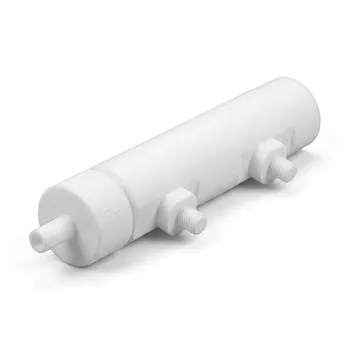
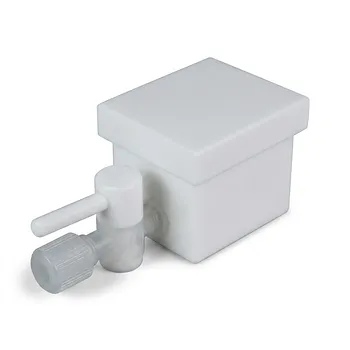
- High Purity Custom PTFE Reaction Cell Electrolytic Tank for Semiconductor and Polysilicon Industrial Applications
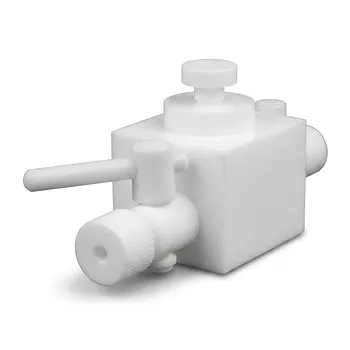
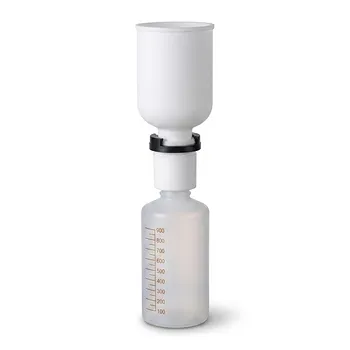
- Custom PTFE Filtration System Acid Resistant High Purity Semiconductor Grade Chemical Processing Filter
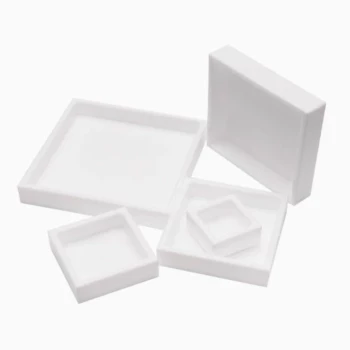
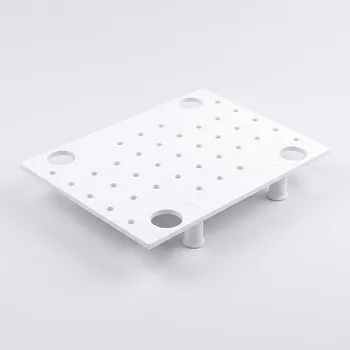
- Custom PTFE Square Trays for Industrial and Laboratory Use
- Custom PTFE Insulating Gaskets and Corrosion Resistant Fluoropolymer Seals for Industrial Electrical Applications
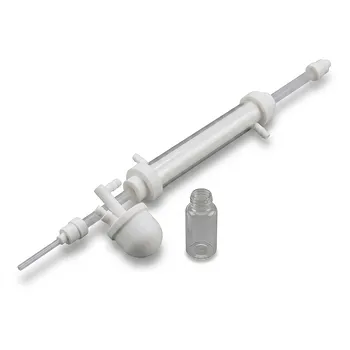
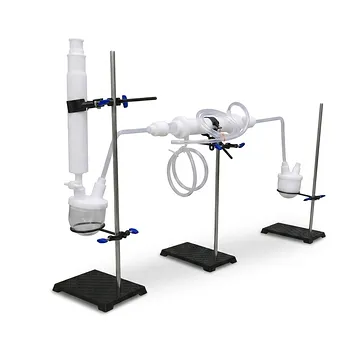
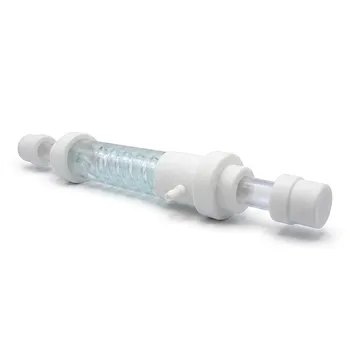
- Custom PTFE Condenser Tube Reflux Reaction Condensation Purification Device Semiconductor Chemical Lab Equipment
People Also Ask
- Why is PTFE ideal for high-purity applications? Ensuring Absolute Chemical and Biological Inertness
- What functional advantages do PTFE reactors provide over glass? Achieve Superior Purity and Safety in Synthesis
- What are the primary fabrication methods for capillary-based and monolithic PTFE reactors? Expert Production Insights
- How does the hydrophobicity of PTFE benefit electrochemical measurements? Enhance Stability and Precision in Your Lab
- What makes PTFE an ideal construction material for custom electrochemical cells and electronic analytical instrumentation housings? Discover superior chemical resistance and electrical insulation