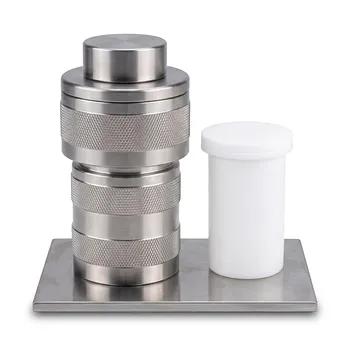
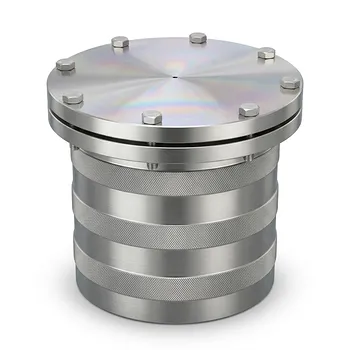
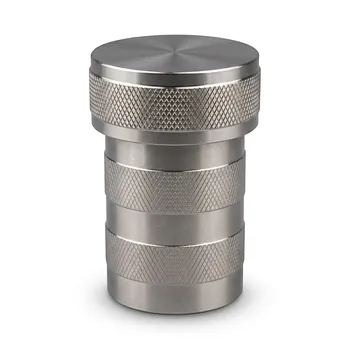
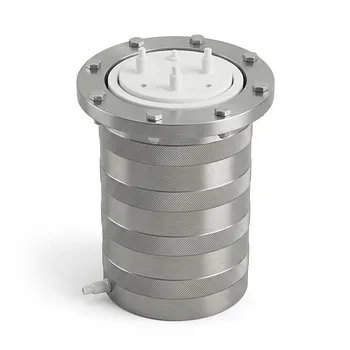
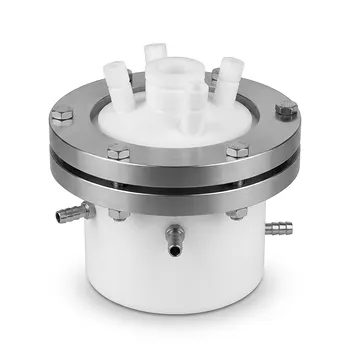
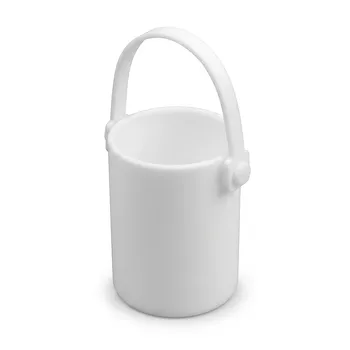
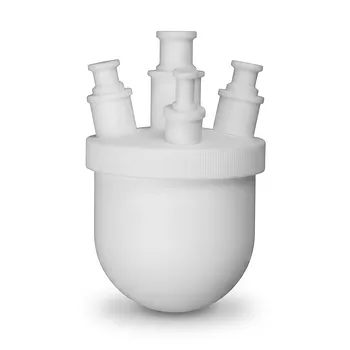
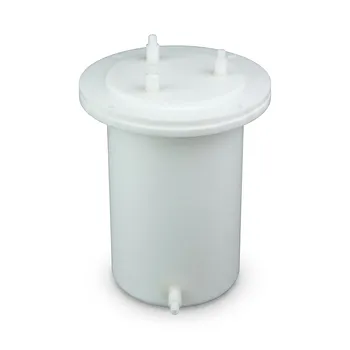
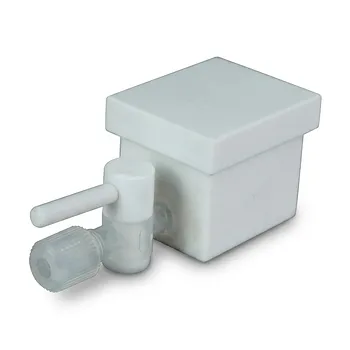
A stainless steel hydrothermal synthesis autoclave with a PTFE liner is the industry standard for creating CDs/CC composites because it provides a sealed, high-pressure environment for hydrothermal carbonization. This specialized hardware allows precursors to react at temperatures up to 220°C, facilitating the in-situ growth of carbon dots directly onto the carbon cloth fibers. Without this setup, the reaction would fail to achieve the subcritical conditions necessary for uniform anchoring and material purity.
The synergy between the structural strength of the stainless steel shell and the chemical inertness of the PTFE liner ensures that the synthesis occurs under high pressure without contaminating the composite or corroding the equipment. This dual-layer approach is critical for maintaining the electrochemical integrity of the final material.
The Role of the High-Pressure Environment
Facilitating Subcritical Water Conditions
Hydrothermal synthesis requires water or solvents to reach a subcritical state, where their properties change to facilitate hydrolysis and carbonization. The sealed stainless steel vessel prevents the escape of vapors, generating autogenous pressure as the temperature rises. This pressure forces the carbon dot precursors into the porous structure of the carbon cloth, ensuring a robust in-situ growth process.
Promoting Uniform Surface Anchoring
High pressure within the autoclave promotes the synergistic interaction between the carbon dots and the carbon cloth substrate. This environment ensures that the carbon dots are uniformly anchored rather than simply precipitated. The result is a stable composite material with enhanced surface area and optimized functional groups, which are vital for electrochemical sensors.
The Necessity of the PTFE (Teflon) Liner
Protection Against Chemical Corrosion
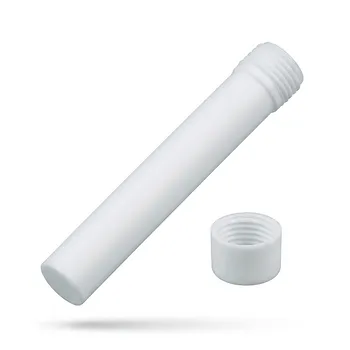
Many synthesis protocols involve strong acids, bases, or polar solvents like DMF that would rapidly degrade a bare metal reactor. The PTFE (polytetrafluoroethylene) liner acts as a high-purity barrier that is virtually immune to chemical attack at reaction temperatures. This protects the integrity of the stainless steel outer shell, extending the lifespan of the equipment.
Preventing Metal Ion Contamination
In materials science, even trace amounts of iron, chromium, or nickel from a stainless steel wall can "poison" a sample. The PTFE liner prevents the reaction liquid from contacting the metal, effectively blocking metal ion leaching. This is non-negotiable for producing carbon dots with high quantum yields and consistent optical or electronic properties.
Understanding the Trade-offs and Safety
Temperature and Expansion Limits
While PTFE is highly inert, it has a clear thermal ceiling, typically around 220°C to 230°C. Exceeding these temperatures can cause the liner to soften or release toxic fumes, compromising the seal. Additionally, the coefficient of thermal expansion for PTFE differs from stainless steel, requiring careful heating and cooling rates to prevent liner deformation.
Pressure Risks and Overfilling
The primary risk in hydrothermal synthesis is over-pressurization leading to vessel failure. Most expert guidelines recommend filling the liner to no more than 60% to 80% of its capacity to leave room for vapor expansion. Ignoring these fill-level constraints can result in the liner being crushed or the stainless steel threads seizing under extreme stress.
Choosing the Right Setup for Your Project
Guidelines for Effective Synthesis
To ensure the successful growth of CDs/CC composites, your equipment choice should align with your specific precursor chemistry and desired throughput.
- If your primary focus is electrochemical sensitivity: Use a high-purity PTFE liner to eliminate any possibility of metal ion interference that could skew your sensor's baseline.
- If your primary focus is high-temperature carbonization (above 220°C): Consider upgrading to a PPL (polyphenylene polymers) liner, which offers higher thermal stability than standard PTFE.
- If your primary focus is uniform mass production: Ensure your autoclave has a thick-walled stainless steel jacket to provide even heat distribution across the entire carbon cloth substrate.
The combination of pressure containment and chemical isolation remains the fundamental requirement for high-performance carbon dot composite synthesis.
Summary Table:
| Component | Role in CDs/CC Synthesis | Key Advantage |
|---|---|---|
| Stainless Steel Shell | Pressure Containment | Facilitates subcritical water conditions for carbonization. |
| PTFE (Teflon) Liner | Chemical Isolation | Prevents metal ion leaching and resists corrosive precursors. |
| Sealed Environment | Autogenous Pressure | Ensures uniform in-situ anchoring of dots to carbon cloth. |
| Thermal Design | Heat Distribution | Maintains stable temperatures up to 220°C for uniform growth. |
Elevate Your Materials Synthesis with KINTEK
Precision in hydrothermal synthesis demands equipment that never compromises on purity or performance. KINTEK specializes in high-performance fluoropolymer solutions tailored for advanced research. From everyday basic labware (beakers, measuring cylinders, crucibles, and reagent bottles) to the specialized PTFE and PFA liners required for CDs/CC composite growth, we provide the chemical inertness your experiments depend on.
Our expertise extends from standard consumables—like stirring bars, O-rings, and tubing—to complex, custom-engineered hardware including hydrothermal synthesis liners, microwave digestion vessels, and advanced electrochemical cells. Backed by end-to-end custom CNC fabrication, KINTEK can deliver everything from high-volume orders of standard fittings to bespoke laboratory setups designed for your unique reaction parameters.
Ready to optimize your lab’s efficiency? Contact us today to discuss your project requirements and experience the KINTEK difference in high-performance fluoropolymer manufacturing.
References
- E Li, Yihang Xu. An Non-metallic Nitrite Electrochemical Sensor Based on In-situ Growth of Carbon Dots on Carbon Cloth. DOI: 10.33961/jecst.2025.00283
This article is also based on technical information from Kintek Knowledge Base .
Related Products
- PTFE Lined High Pressure Digestion Vessel 50ml High Temperature Hydrothermal Synthesis Tank
- Custom TFM Reaction Vessel with Stainless Steel Jacket and PTFE Inner Cup for High Corrosion Resistance
- High Temperature Corrosion Resistant Hydrothermal Synthesis Reactor with TFM Inner Liner and Straight Cylinder Design
- High Pressure Custom TFM Reactor Stainless Steel Outer Vessel PTFE Inner Cup for Corrosive Synthesis
- High Purity TFM Microwave Digestion Vessels PTFE Acid Evaporation Liners Domestic GT-400 Equivalent Laboratory Reaction Containers
People Also Ask
- What are the benefits of using a PTFE-lined vessel for carbon-sulfur cathode treatment? Maximize Purity & Performance
- Why are PTFE-lined pressure digestion vessels required for the preparation of Ag/CeO2 catalysts? Purity & Performance
- What is the function of high-pressure PTFE digestion vessels in mineral analysis? Optimize Sample Mineralization
- What safety features are typically incorporated into high-pressure PTFE digestion vessel designs? Ensure Lab Safety
- What is the function of PTFE lined high-pressure vessels in g-C3N4 synthesis? Achieve High-Purity Material Growth