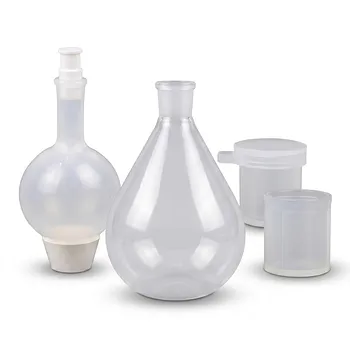
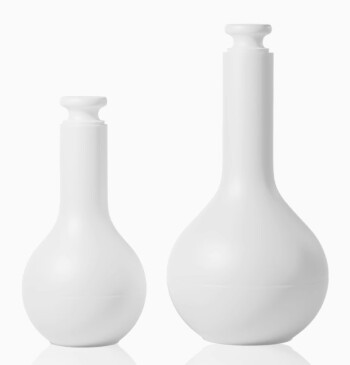
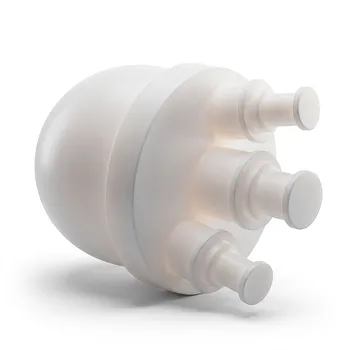
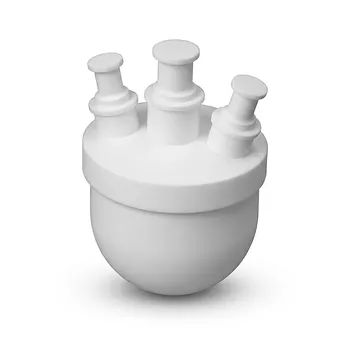
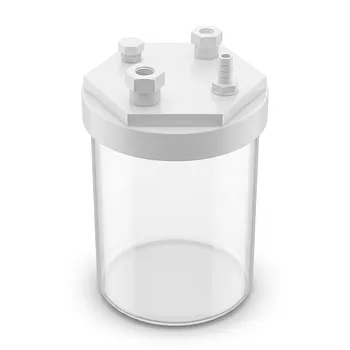
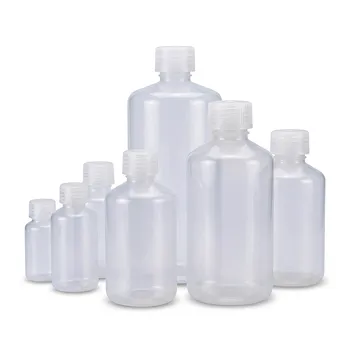
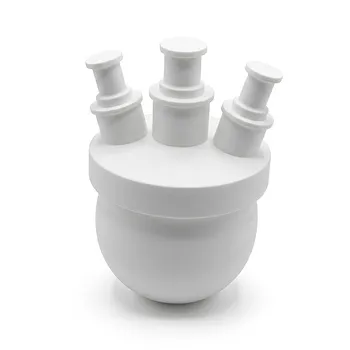
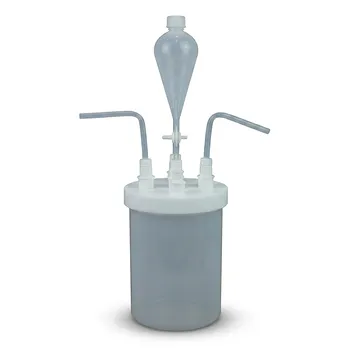
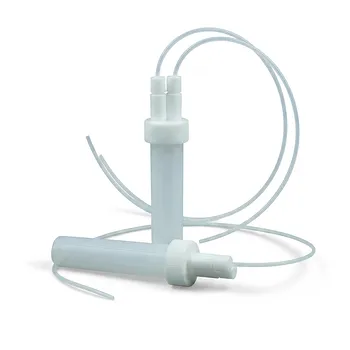
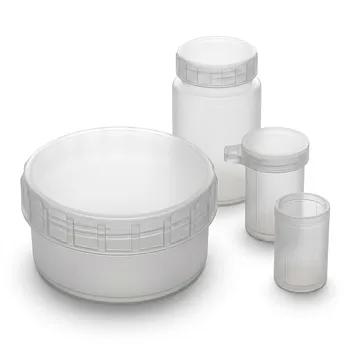
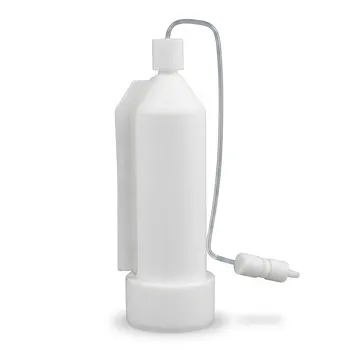
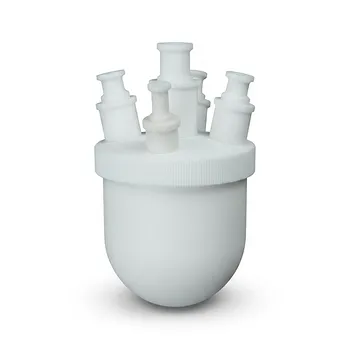
The selection of high-purity PFA (perfluoroalkoxy) over glass is a critical requirement for maintaining the chemical integrity of alkaline electrolytes.
Standard glass containers are susceptible to chemical attack by strong bases like 1.0 M KOH, which causes the leaching of silicates and trace metals into the solution. High-purity PFA is chemically inert to alkaline corrosion and features extremely low trace element levels, preventing the "poisoning" of catalyst active sites and ensuring the accuracy of electrochemical measurements.
Core Takeaway: Utilizing PFA laboratory ware eliminates the risk of silicate contamination and solute adsorption inherent in glass, which is essential for the precise characterization of catalyst performance and long-term stability in alkaline environments.
The Mechanism of Contamination in Glass
Silicate Leaching and Alkaline Corrosion
Strongly alkaline solutions, such as 1.0 M KOH, are highly corrosive to the silica network found in standard borosilicate glass. This corrosion breaks chemical bonds within the glass structure, releasing silicon, boron, and sodium directly into the electrolyte.
Catalyst Poisoning and Interference
The leached silicates and metal ions can migrate to the surface of the catalyst, such as Co-MoS2, during electrochemical testing. These impurities can physically block or chemically deactivate active sites, leading to inaccurate assessments of the catalyst's intrinsic activity and stability.
Impact on Long-Term Stability Testing
In experiments requiring extended durations, such as 100-hour stability cycles, even minor leaching rates can lead to significant cumulative contamination. This degrades the purity of the electrolyte and compromises the reproducibility of the electrolysis results.
The Technical Advantages of PFA
Chemical Inertness and Resistance
PFA is a fluoropolymer characterized by exceptionally strong carbon-fluorine bonds, making it virtually immune to alkaline attack. This resistance ensures that the container does not degrade or introduce impurities, even during the long-term storage of concentrated KOH.
Superior Trace Element Profiles
High-purity PFA is manufactured to have negligible background levels of trace metals. This is vital for ultra-trace analysis and high-sensitivity electrochemical experiments where even parts-per-billion (ppb) levels of contamination could skew data.
Hydrophobicity and Volumetric Accuracy
The surface of PFA is highly hydrophobic compared to glass, which minimizes the adsorption of solutes onto the flask walls. This characteristic, combined with precision CNC machining or blow molding, ensures that prepared solutions maintain their exact concentration and allow for complete liquid recovery.
Understanding the Trade-offs
Cost and Resource Allocation
The primary disadvantage of PFA labware is its significantly higher cost compared to standard borosilicate glass. This requires a strategic approach to laboratory budgeting, prioritizing PFA only for sensitive analytical steps and high-purity storage.
Thermal and Physical Limitations
While PFA has excellent chemical resistance, it is softer than glass and can be prone to physical deformation if handled improperly. It also has specific thermal limits that must be observed during sterilization or heating processes to maintain volumetric calibration.
How to Apply This to Your Project
Implementation Strategy
The use of PFA should be prioritized based on the sensitivity of your electrochemical system and the duration of your experiments.
- If your primary focus is long-term stability testing (e.g., >24 hours): Use high-purity PFA storage bottles to ensure the KOH electrolyte remains free of leached silicates that could deactivate your catalyst over time.
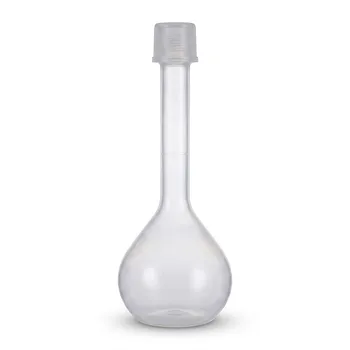
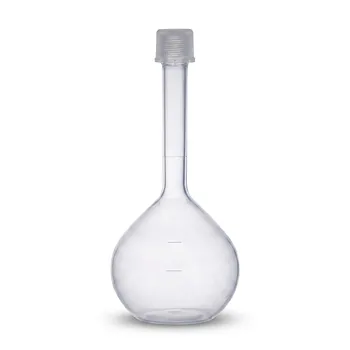
- If your primary focus is high-precision quantitative analysis: Prepare your electrolytes in PFA volumetric flasks to leverage their hydrophobic properties and minimize solute loss during the measurement process.
- If your primary focus is routine screening with non-sensitive materials: Standard plasticware (like HDPE) may suffice for short-term use, but glass should still be avoided for any concentrated alkaline solutions.
Selecting high-purity PFA ensures that your experimental data reflects the true performance of your catalyst rather than the influence of container-borne impurities.
Summary Table:
| Feature | Glass (Borosilicate) | High-Purity PFA | Impact on Experiment |
|---|---|---|---|
| Alkaline Resistance | Poor (Leaches silicates/metals) | Excellent (Chemically inert) | Prevents background contamination |
| Surface Property | Hydrophilic (Solute adsorption) | Hydrophobic (Low adsorption) | Ensures precise volumetric accuracy |
| Trace Metal Levels | Higher background levels | Negligible/Ultrapure | Protects catalyst active sites |
| Long-term Stability | Degradation over time in KOH | Highly stable and durable | Crucial for >24h stability testing |
| Ideal Use Case | Weak acids/General use | Concentrated bases/Trace analysis | Minimizes data skewing and errors |
Elevate Your Research Precision with KINTEK PFA Labware
Don't let silicate leaching compromise your electrochemical data. KINTEK specializes in high-performance fluoropolymer solutions designed for the most demanding laboratory environments. Whether you need standard PFA volumetric flasks and storage bottles or complex custom CNC-machined parts, we provide the purity and durability your catalysts require.
Our extensive range includes:
- Everyday Essentials: Beakers, cylinders, crucibles, and reagent/wash bottles.
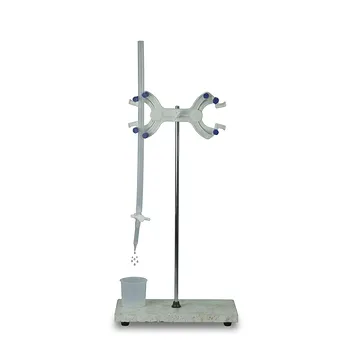
- Analytical Tools: High-purity trace analysis instruments and sample prep tools like separatory funnels and burettes.
- Fluid & Reaction Systems: Tubing, valves, hydrothermal synthesis liners, and advanced electrochemical cells.
- Consumables: Stirring bars, O-rings, and gaskets tailored for chemical resistance.
From high-volume orders to bespoke laboratory setups, KINTEK delivers end-to-end fabrication focused exclusively on PFA and PTFE excellence. Contact us today to secure your electrolyte purity and let our experts help you design the perfect setup for your next breakthrough.
References
- Wei Liu, Jiaqi Tang. Hydrothermal Synthesis of Co-MoS<sub>2</sub> as a Bifunctional Catalyst for Overall Water Splitting. DOI: 10.1021/acsomega.4c10747
This article is also based on technical information from Kintek Knowledge Base .
Related Products
- High Purity PFA Volumetric Flask 1000ml 2000ml Constant Volume Bottle Acid Resistant Trace Analysis Custom Laboratory Labware
- High Purity PFA Volumetric Flask Acid Resistant Perfluoroalkoxy Trace Analysis Container Custom Mold Fabrication 1000ml 2000ml
- High Purity PFA Translucent Volumetric Burette with PTFE Valve for Acid Base Titration and Corrosive Reagent Handling
- PFA Distillation Flask for Water Quality Alkylmercury Determination and Laboratory Trace Analysis Heating Applications
- PFA Eggplant Flask Custom Molded Pear Shaped Laboratory Flask Corrosion Resistant Glass Alternative
People Also Ask
- What are the advantages of using high-purity PFA vs. glassware? Achieve Unmatched Accuracy in Trace Analysis
- Why use high-purity PFA bottles for Carbon Quantum Dots? Ensure Ink Stability and Prevent Fluorescence Quenching
- Why is high-purity PFA trace analysis labware recommended for trace element detection? Achieve Gold Standard PPT Accuracy
- Why is high-purity PFA trace analysis labware used for MXene? Ensure Superior Material Integrity in Research
- Why is high-purity PFA trace analysis labware used for sample processing when preparing Mo2CTx@MoS2? Ensure Material Purity