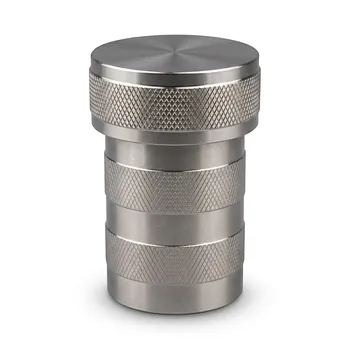
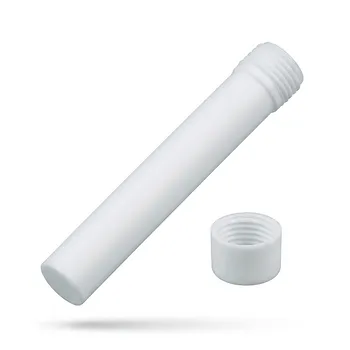
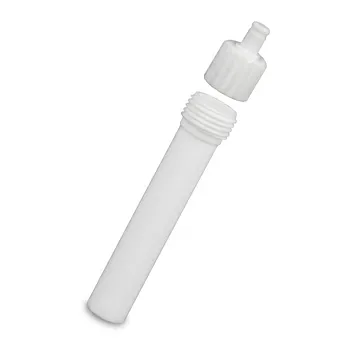
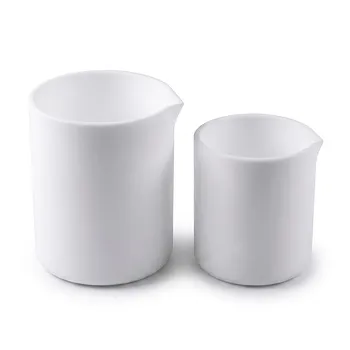
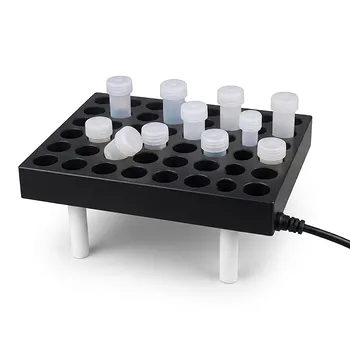
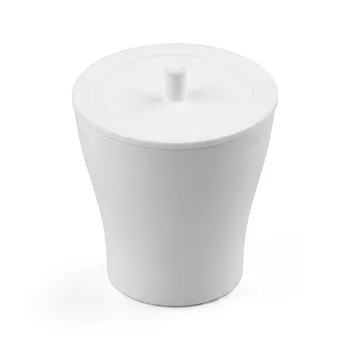
The PTFE-lined stainless steel autoclave is the primary vessel used to create a controlled, high-pressure, and high-temperature environment for hydrothermal synthesis. In the production of binary transition metal sulfides, it enables chemical reactions to occur in solvents heated far beyond their atmospheric boiling points, which is essential for defining the material's crystal structure and morphology.
This equipment functions by combining the mechanical strength of a steel shell with the chemical inertness of a PTFE liner. This synergy allows researchers to reach the subcritical conditions necessary for phase formation and crystal growth while preventing corrosive precursors from contaminating the final product.
Creating a High-Pressure Reaction Environment
Overcoming Solvent Boiling Points
The autoclave provides a sealed environment that allows solvents to remain in a liquid state at temperatures significantly higher than their normal boiling points. This creates subcritical or hydrothermal conditions that are impossible to achieve in open-vessel chemistry.
Enhancing Reactivity and Solubility
Under high temperature and pressure, the solubility and reactivity of precursors—such as molybdenum or sulfur sources—are dramatically increased. This leads to a state of supersaturation, which is the driving force for the nucleation and slow growth of high-quality crystals.
Maintaining Autogenous Pressure
As the liquid inside the sealed vessel is heated, it expands and generates autogenous pressure. The stainless steel outer shell provides the necessary mechanical strength to contain this pressure, ensuring a stable environment for the duration of the synthesis.
Ensuring Chemical Purity and Material Integrity
The Role of Chemical Inertness
The PTFE (polytetrafluoroethylene) liner is chosen for its exceptional chemical stability and resistance to corrosion. It acts as a barrier that prevents acidic or corrosive precursors, such as sodium sulfide or phosphoric acid, from attacking the metal walls of the autoclave.
Preventing Impurity Contamination
By shielding the stainless steel shell from the reaction mixture, the PTFE liner ensures that metal ions from the vessel do not leach into the solution. This is critical for maintaining the high purity required for advanced materials like binary transition metal sulfides.
Facilitating Product Recovery
The extremely smooth surface of the PTFE lining prevents synthesized powder sediments from sticking to the walls. This characteristic facilitates the efficient recovery and collection of solid precipitates once the reaction is complete.
Precision Control of Crystal Properties
Influencing Morphology and Phase
The stable high-pressure environment allows for precise control over the material phase formation, enabling the synthesis of metastable structures like 1T-MoS2. It also dictates the final morphology, allowing for the creation of sheet-like, porous, or nanostructured geometries.
Enabling In-Situ Intercalation
The pressurized environment facilitates the in-situ intercalation of ions (such as ammonium ions) into the crystal lattice during growth. This process is often the key to inducing specific transformations or enhancing the functional properties of the transition metal sulfide.
Understanding the Trade-offs
Temperature and Pressure Limitations
While highly effective, the system is limited by the thermal properties of PTFE, which typically loses structural integrity if temperatures exceed its safe operating limit (often around 220-250°C). Exceeding these limits can lead to liner deformation or "creeping," which may compromise the seal.
Heat Transfer Delays
The thick walls of the stainless steel shell and the insulating nature of the PTFE liner mean that internal temperatures may lag behind the external furnace settings. Users must account for this thermal lag to ensure the reaction environment reaches the specific kinetic thresholds required for crystal nucleation.
How to Apply This to Your Project
Recommendations for Synthesis Goals
- If your primary focus is Phase Purity: Ensure the PTFE liner is thoroughly cleaned and free of scratches to prevent the entrapment of previous reaction residues.
- If your primary focus is Metastable Phases (like 1T-MoS2): Focus on the precise calibration of the temperature-to-pressure ratio to facilitate ion intercalation during the hydrothermal process.
- If your primary focus is Large-Scale Recovery: Utilize a high-purity PTFE liner with a high-polish finish to maximize the yield of fine powder precipitates.
By leveraging the unique high-pressure capabilities of the PTFE-lined autoclave, researchers can achieve the specific thermodynamic conditions required to engineer transition metal sulfides with tailored electronic and structural properties.
Summary Table:
| Feature | Component | Benefit for Metal Sulfide Synthesis |
|---|---|---|
| Pressure Containment | Stainless Steel Shell | Enables subcritical conditions and autogenous pressure for crystal growth. |
| Chemical Resistance | PTFE Liner | Prevents corrosion from sulfur sources and eliminates metal ion contamination. |
| Material Recovery | Smooth PTFE Surface | Minimizes product sticking, ensuring high yield of fine powder precipitates. |
| Phase Control | Sealed Environment | Allows precise engineering of metastable phases (e.g., 1T-MoS2) and morphologies. |
Elevate Your Synthesis Research with KINTEK Fluoropolymer Expertise
Precision in material science begins with high-performance laboratory equipment. KINTEK specializes in the absolute focus on high-performance fluoropolymer materials, providing researchers with the tools needed for advanced hydrothermal synthesis and beyond.
Whether you require everyday basic labware (beakers, crucibles, reagent bottles) or specialized high-purity trace analysis instruments, our catalog covers the entire spectrum. We provide everything from fluid transfer components (tubing, valves, fittings) and sample prep tools (filters, pipettes, tweezers) to essential consumables like O-rings, gaskets, and seal tapes. For advanced research, we offer standard and custom hydrothermal synthesis liners, microwave digestion vessels, electrochemical cells, and microchannel reactors.
Why partner with KINTEK?
- Custom CNC Fabrication: We deliver complex, non-standard machined parts and bespoke laboratory setups tailored to your specific project needs.
- End-to-End Solutions: From high-volume orders of PFA/PTFE consumables to precision-engineered reaction apparatus.
- Unmatched Purity: Our materials are designed to eliminate contamination, ensuring the integrity of your transition metal sulfides.
Ready to optimize your lab’s performance? Contact us today to discuss your custom requirements!
References
- Junaid Khan, Abdullah A. Al‐Kahtani. Strategic design of binary transition metal sulfides for superior asymmetric supercapacitors. DOI: 10.1039/d5ma00052a
This article is also based on technical information from Kintek Knowledge Base .
Related Products
- Custom TFM Reaction Vessel with Stainless Steel Jacket and PTFE Inner Cup for High Corrosion Resistance
- PTFE Lined High Pressure Digestion Vessel 50ml High Temperature Hydrothermal Synthesis Tank
- High Temperature Corrosion Resistant Hydrothermal Synthesis Reactor with TFM Inner Liner and Straight Cylinder Design
- High Pressure Custom TFM Reactor Stainless Steel Outer Vessel PTFE Inner Cup for Corrosive Synthesis
- PTFE Acid Steam Cleaning System HF Resistant Trace Analysis Beaker Digestion Tank Customizable
People Also Ask
- Why are high-performance pressure-resistant reaction vessels required for oxygen-assisted hydrothermal conversion at 150 °C?
- Why are PTFE-lined reaction vessels necessary for forced degradation studies? Ensure high-purity results and accuracy.
- Why are high-quality fluoropolymer-lined reaction vessels required for alk-Ti3C2Tx MXene? Ensure Purity & HF Resistance
- How do magnetic stirring and reaction vessels impact MOF-derived carbon quality? Optimize Your Composite Performance
- Why is a high-purity PTFE lined reaction vessel required for the acidic etching of MXenes? Ensure Material Purity.