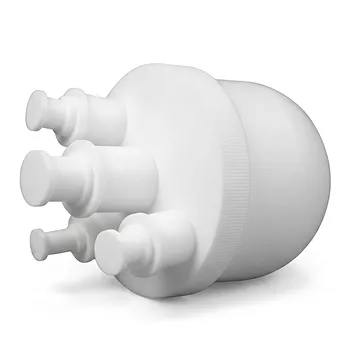
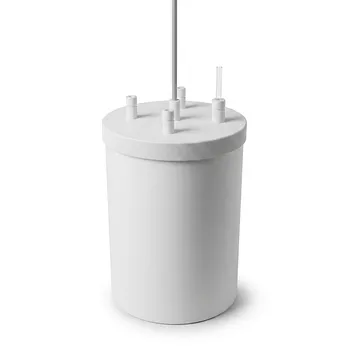
The safety of CO2 methanation experiments relies on the mechanical integrity of the reactor's fluid path. Precision CNC-machined fittings, valves, and bushings provide the high dimensional accuracy required to maintain a leak-proof seal under extreme conditions. By securing the system at temperatures of 180°C and elevated pressures, these components prevent the release of hazardous gases and ensure the stability of the chemical reaction.
Core Takeaway: In high-pressure hydrogen environments, precision CNC machining eliminates the minute gaps that lead to gas leaks. This technical accuracy is the primary line of defense against hazardous atmospheric buildup and experimental failure.
The Critical Role of Dimensional Accuracy
Eliminating Micro-Leak Paths
CO2 methanation involves hydrogen, a molecule so small it can escape through the tiniest structural imperfections. CNC machining achieves the microscopic tolerances necessary to ensure that metal-to-metal seals are perfectly flush. This precision prevents the gradual "seepage" that often occurs with lower-quality, mass-produced fittings.
Ensuring Consistent Sealing Surfaces
When reactor components are machined to exact specifications, the sealing performance remains uniform across all connection points. This consistency is vital when the system is pressurized, as it ensures that no single fitting becomes a "weak link." High dimensional accuracy allows for a predictable distribution of mechanical stress across the entire fluid path.
Managing Thermal and Pressure Stress
Stability at 180°C
Chemical reactions like CO2 methanation generate significant heat, often requiring the system to operate at 180°C. Precision-machined metal fittings are designed to maintain their structural shape and seal integrity despite thermal expansion. This prevents the fittings from loosening or deforming, which could otherwise lead to catastrophic seal failure.
High-Pressure Containment
Methanation experiments typically occur under elevated pressures to drive the reaction toward the desired output. CNC-machined bushings and connectors are engineered to withstand these internal forces without warping. Their robust construction ensures that the internal volume remains constant and contained throughout the experiment's duration.
Protecting the Experimental Environment
Preventing Hydrogen Accumulation
Safety in the lab is directly tied to the containment of hydrogen gas, which is highly flammable and potentially explosive. By ensuring a leak-proof path, CNC-machined components prevent hydrogen from accumulating in the laboratory atmosphere. This protection is the most critical factor in maintaining a safe working environment for researchers.
Maximizing Gas Utilization
Beyond safety, precision fittings ensure that 100% of the reaction gases reach the catalyst bed. Any leak represents a loss of expensive high-purity gases and a compromise of the experimental data. Maximizing the utilization rate of these gases allows for more accurate calculations of reaction efficiency and kinetics.
Understanding the Trade-offs
Material Selection vs. Cost
While precision CNC machining offers superior safety, it requires high-grade metals that can be expensive to source and process. Choosing the wrong alloy for a CNC fitting can lead to hydrogen embrittlement, where the metal becomes brittle and cracks. You must balance the need for precision with the chemical compatibility of the material used.
Complexity of Maintenance
High-precision fittings require careful handling; even a small scratch on a sealing surface during installation can ruin its effectiveness. Overtightening these components can also lead to permanent deformation, negating the benefits of their precise tolerances. Users must follow strict torque specifications to maintain the safety benefits these parts provide.
Making the Right Choice for Your Goal
To ensure your CO2 methanation setup is both safe and effective, consider your primary objective:
- If your primary focus is Maximum Safety: Prioritize CNC-machined stainless steel fittings with certified pressure ratings that exceed your experimental maximums.
- If your primary focus is Data Accuracy: Invest in precision-machined valves to ensure consistent flow rates and zero gas loss during long-duration runs.
- If your primary focus is Longevity: Select components that have been precision-machined from corrosion-resistant alloys to withstand repeated thermal cycling.
By integrating precision-engineered components, you transform the reactor from a potential hazard into a controlled, high-performance scientific instrument.
Summary Table:
| Feature | Technical Benefit | Safety & Experimental Impact |
|---|---|---|
| Dimensional Accuracy | Eliminates microscopic gaps in seals | Prevents hydrogen leaks and flammable gas buildup |
| Thermal Stability | Maintains seal integrity at 180°C+ | Prevents fitting deformation and catastrophic failure |
| Pressure Resistance | High-strength CNC construction | Ensures 100% gas containment during high-pressure runs |
| Material Integrity | Selection of specialized alloys | Avoids hydrogen embrittlement and ensures data accuracy |
Elevate Your Laboratory Safety with KINTEK’s Precision Engineering
Don't let subpar fittings compromise your research or your safety. At KINTEK, we specialize in high-performance fluoropolymer materials and custom CNC fabrication, ensuring every component meets the rigorous demands of your experiments.
From high-purity PTFE and PFA labware—including beakers, reagent bottles, and digestion tubes—to custom-machined reactor fittings, valves, and fluid transfer components, we provide the ultimate solution for chemical compatibility and leak-proof performance. Whether you need standard consumables like O-rings and stirring bars or advanced bespoke reaction apparatus like electrochemical cells and microwave digestion vessels, our end-to-end CNC capabilities deliver absolute precision.
Ready to upgrade your reactor setup? Contact KINTEK today for custom solutions!
References
- Hyojin Kim, Hiromi Yamashita. Layered Na2Ti3O7-supported Ru catalyst for ambient CO2 methanation. DOI: 10.1038/s41467-025-57954-9
This article is also based on technical information from Kintek Knowledge Base .
Related Products
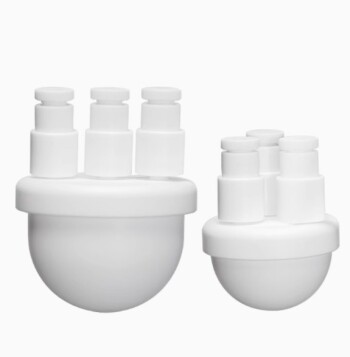
- Custom PTFE Reaction System with Hose Barb Fittings Corrosion Resistant High Sealing 2L 4L Lab Reactor with Separatory Funnel
- High Purity PFA Reaction Vessel for Biopharmaceutical Synthesis and Corrosive Chemical Fluid Handling with Customizable Tube Fittings
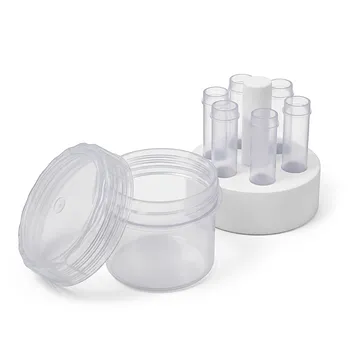
- High Purity PTFE Corrosion Resistant Reaction Vessel with Luer Fittings and Caps for Trace Analysis
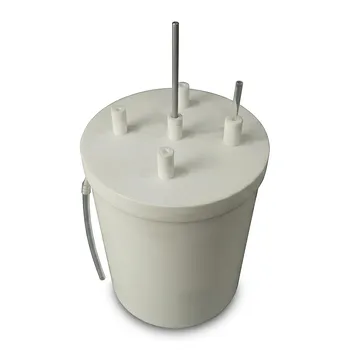
- PFA Reaction Tank 6L Customizable Fittings Corrosion Resistant Solvent Resistant PFA Reaction Bottle for New Material Synthesis
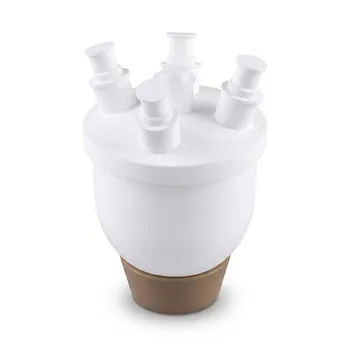
- Custom TFM Reaction Vessel with Stainless Steel Jacket and PTFE Inner Cup for High Corrosion Resistance
People Also Ask
- What are the primary fabrication methods for capillary-based and monolithic PTFE reactors? Expert Production Insights
- What functional advantages do PTFE reactors provide over glass? Achieve Superior Purity and Safety in Synthesis
- What structural characteristics provide PTFE fluoropolymer laboratory apparatus with high thermal stability? Strong C-F bonds, dense fluorine shielding, and rigid helical conformation ensure stability during high-temperature analysis.
- What are the advantages of using high-precision PTFE valves and fittings? Optimize Chemical Purity and Fluid Control
- What are the solvent resistance limits and chemical swelling behaviors of PTFE laboratory equipment? Key data and practical guidance for safe use.