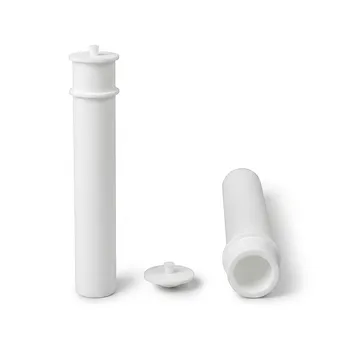
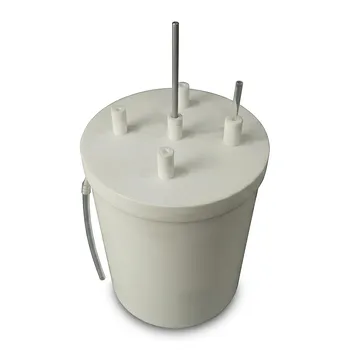
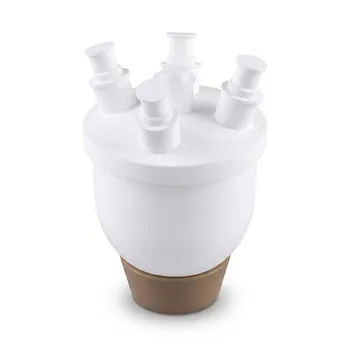
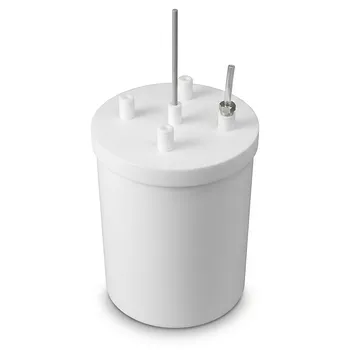
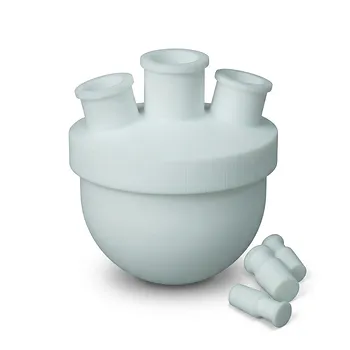
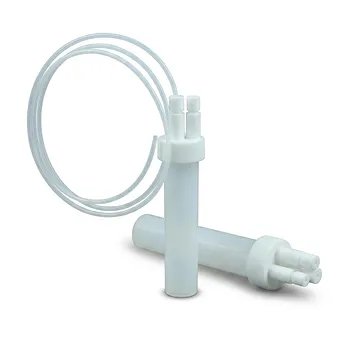
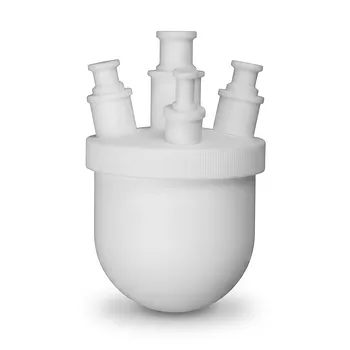
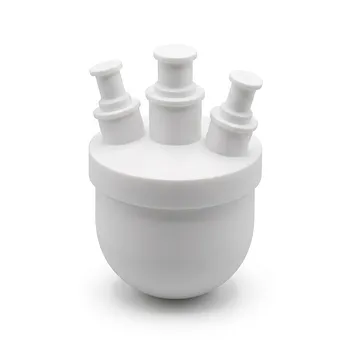
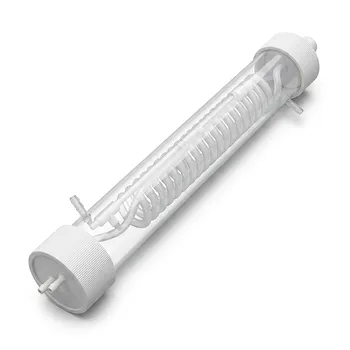
High-pressure reaction tubes are indispensable for cotton acid hydrolysis because they provide the structural integrity required to safely contain super-concentrated acids and the resulting autogenous pressure while preventing the escape of corrosive gases. These specialized vessels ensure that the chemical environment remains stable enough to break down complex cellulose structures into glucose without losing material to evaporation or endangering the laboratory.
Core Takeaway: High-pressure reaction tubes enable the use of super-concentrated acids and high temperatures by providing a sealed, inert environment. This containment is essential for maintaining the precise chemical concentrations needed for complete hydrolysis while protecting equipment and personnel from corrosive hydrogen chloride gas.
Managing Corrosive Environments and Volatility
Prevention of Acid Gas Leakage
Cotton hydrolysis often utilizes super-concentrated hydrochloric acid (43 wt% HCl), which is highly volatile. High-pressure tubes are designed with specialized seals to prevent the leakage of hydrogen chloride gas, which is both toxic and extremely corrosive to laboratory infrastructure.
Maintaining Chemical Concentration
For hydrolysis to be efficient, the acid-to-solvent ratio must remain constant throughout the reaction. A sealed, pressure-resistant environment prevents the evaporation of acid components, ensuring the molarity remains high enough to fully dissociate the cellulose bonds into glucose.
Protection Against Material Loss
In addition to preventing gas escape, these tubes ensure that no intermediate fragments or volatile reaction products are lost. This total containment is vital for quantitative analysis, ensuring that the final glucose yield accurately reflects the starting material.
Handling Autogenous Pressure and Temperature
Withstanding Internal Force
When acid solutions are heated—often reaching temperatures of 110°C or higher—they generate significant autogenous pressure within the vessel. High-pressure tubes are engineered with thick walls and high-grade materials to withstand these internal forces without fracturing.
Facilitating Intense Mechanical Stirring
To achieve a uniform breakdown of cotton fibers, the reaction often requires intense magnetic stirring. The robust structure of high-pressure tubes allows for vigorous agitation under pressure, which ensures the acid maintains constant contact with the solid cotton components.
Resisting Chemical Erosion
High-quality pressure tubes are typically made from inert materials that resist chemical erosion. This prevents the vessel itself from leaching contaminants into the reaction, which could otherwise interfere with the purity of the glucose produced.
Precision Control for Selective Hydrolysis
Targeted Amorphous Region Breakdown
Cellulose contains both amorphous and crystalline regions; high-pressure environments allow for the strict control of temperature and time. This precision is necessary to selectively hydrolyze the amorphous regions if the goal is to produce specific glucose concentrations or preserve crystalline nanoparticles.
Ensuring Complete Dissociation
Strong acids like 6 mol/L HCl or sulfuric acid require stable thermal environments to break the resilient beta-1,4-glycosidic bonds in cotton. The sealed nature of the tube ensures that the thermal energy is distributed evenly, leading to a more complete dissociation of cellulose into free glucose molecules.
Understanding the Trade-offs and Safety Risks
Material Fatigue and Inspection
While these tubes are designed for high stress, they are subject to material fatigue over time due to repeated thermal cycling and acid exposure. Failure to inspect tubes for micro-cracks can lead to catastrophic pressure release or "explosive" failure during a run.
Scaling Limitations
High-pressure tubes are ideal for laboratory-scale research and high-precision testing. However, the cost and complexity of maintaining high-pressure seals make it challenging to scale this exact setup to industrial volumes without transitioning to different reactor geometries.
Making the Right Choice for Your Goal
- If your primary focus is Maximum Glucose Yield: Use high-pressure tubes to maintain the highest possible acid concentration and temperature without loss of reagents.
- If your primary focus is Laboratory Safety: Prioritize tubes with certified pressure ratings and integrated safety venting to manage super-concentrated HCl gas.
- If your primary focus is Crystalline Purity: Use pressure-resistant vessels to enable the precise timing and temperature control required for selective hydrolysis.
By providing a secure and stable reaction environment, high-pressure tubes transform a volatile chemical process into a controlled and repeatable scientific procedure.
Summary Table:
| Feature | Importance in Cotton Hydrolysis |
|---|---|
| Pressure Resistance | Safely contains autogenous pressure at temperatures above 110°C. |
| Corrosion Control | Prevents leakage of toxic and volatile hydrogen chloride (HCl) gas. |
| Concentration Stability | Prevents acid evaporation to maintain the molarity needed for dissociation. |
| Material Integrity | Inert surfaces (like PTFE/PFA) prevent contamination of the glucose product. |
| Reaction Efficiency | Enables intense mechanical stirring under pressure for uniform breakdown. |
Elevate Your Chemical Research with KINTEK’s Fluoropolymer Expertise
For demanding processes like acid hydrolysis, ordinary labware isn't enough. KINTEK specializes in high-performance laboratory supplies crafted exclusively from PTFE and PFA, ensuring absolute resistance to corrosive acids and high-pressure environments.
From everyday basic labware—such as beakers, crucibles, and reagent bottles—to specialized high-pressure reaction vessels, digestion tubes, and complex fluid transfer components (tubing, valves, fittings), we provide the tools you need for precision and safety. Whether you require standard consumables or bespoke laboratory setups delivered via our end-to-end custom CNC fabrication, KINTEK is your partner for high-purity trace analysis and advanced reaction apparatus.
Ready to upgrade your lab's performance? Contact us today to discuss your custom requirements and discover how our fluoropolymer solutions can optimize your glucose yields and laboratory safety!
References
- Nienke Leenders, Gert‐Jan M. Gruter. Polycotton waste textile recycling by sequential hydrolysis and glycolysis. DOI: 10.1038/s41467-025-55935-6
This article is also based on technical information from Kintek Knowledge Base .
Related Products
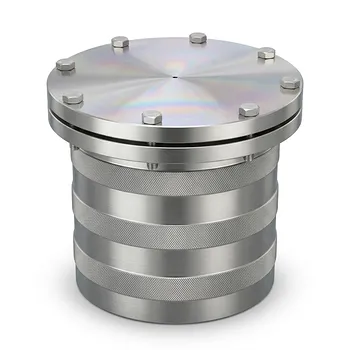
- PTFE Lined High Pressure Digestion Vessel 50ml High Temperature Hydrothermal Synthesis Tank
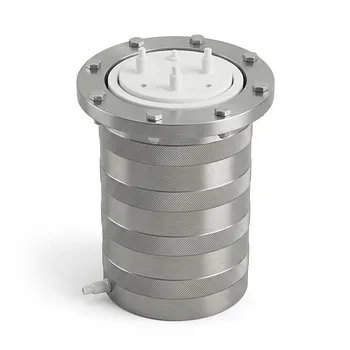
- Custom TFM Reaction Vessel with Stainless Steel Jacket and PTFE Inner Cup for High Corrosion Resistance
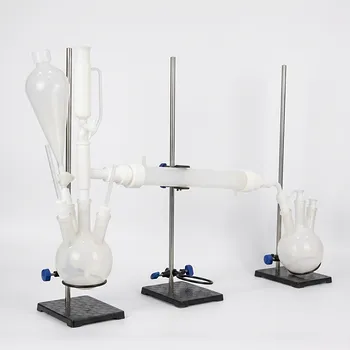
- High Purity PFA Constant Pressure Condensation Reaction System Acid Resistant High Temperature Customizable Teflon Labware
- High Pressure Custom TFM Reactor Stainless Steel Outer Vessel PTFE Inner Cup for Corrosive Synthesis
- Custom High Purity TFM Microwave Digestion Vessel 100ml for Analytical Laboratory Sample Preparation
People Also Ask
- What are the benefits of using a PTFE-lined vessel for carbon-sulfur cathode treatment? Maximize Purity & Performance
- Why are PTFE-lined pressure digestion vessels required for the preparation of Ag/CeO2 catalysts? Purity & Performance
- What is the function of high-pressure PTFE digestion vessels in mineral analysis? Optimize Sample Mineralization
- What safety features are typically incorporated into high-pressure PTFE digestion vessel designs? Ensure Lab Safety
- What is the function of PTFE lined high-pressure vessels in g-C3N4 synthesis? Achieve High-Purity Material Growth