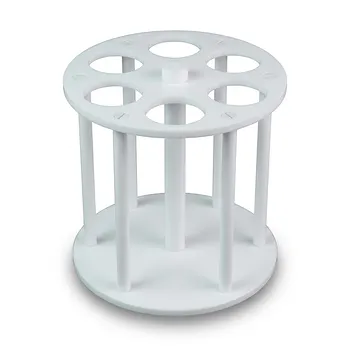
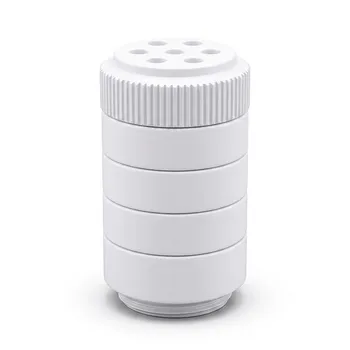
The suitability of Polytetrafluoroethylene (PTFE) for high-precision laboratory rotors is primarily driven by its exceptional chemical inertness, ultra-low coefficient of friction, and vast thermal operating range. These properties ensure that rotors can operate in aggressive chemical environments without degrading or contaminating sensitive samples.
Core Takeaway: PTFE provides a unique combination of "near-universal" chemical resistance and self-lubricating properties. This allows laboratory rotors to maintain high-purity standards and mechanical consistency across extreme temperature gradients without the need for external lubricants.
The Intersection of Chemical Inertness and Sample Integrity
Universal Chemical Resistance
PTFE is recognized as the most chemically resistant plastic available, remaining unaffected by almost all acids, bases, and organic solvents. This prevents material degradation when the rotor is exposed to harsh reagents, ensuring the mechanical integrity of the component over time.
Maintaining High-Purity Standards
Because PTFE is non-reactive and non-toxic, it eliminates the risk of metal ion leaching or chemical interference during sensitive experiments. This makes it a critical material for trace analysis and reproducible research where sample contamination must be zero.
Non-Stick Surface and Residue Prevention
The non-polar, non-stick surface of PTFE prevents the buildup of residues and sample adhesion. This characteristic facilitates easier cleaning and ensures that no carry-over occurs between different experimental runs.
Dynamic Performance in Extreme Environments
Self-Lubrication and Friction Control
With an extremely low coefficient of friction (0.05 to 0.10), PTFE allows for smooth rotation without the need for external oils or greases. This self-lubricating nature is vital for high-precision rotors where external lubricants could contaminate the fluid being handled.
Exceptional Thermal Stability
PTFE maintains its mechanical properties across a massive temperature gradient, typically ranging from −200 °C to +260 °C. This stability allows the same rotor to be used in cryogenic research, high-temperature synthesis, and standard autoclaving cycles.
Dielectric and Electrical Insulation
Technically, PTFE offers superior dielectric properties, including a low dielectric constant (~2.1) and high volume resistivity. These attributes ensure the material does not interfere with electronic sensors or electrical fields often present in advanced laboratory instrumentation.
Understanding the Trade-offs
Susceptibility to Cold Flow
Despite its strengths, PTFE is prone to "cold flow" or creep, meaning it can slowly deform under a constant heavy load. In high-precision applications, this requires careful design to ensure the rotor maintains its dimensional tolerances over long periods of use.
Limited Structural Load Capacity
While PTFE has a tensile strength of 3,000 to 5,000 psi, it is relatively soft compared to engineering metals or reinforced composites. It may not be suitable for rotors operating at extremely high RPMs where centrifugal forces exceed its structural limits.
How to Apply This to Your Laboratory Requirements
When selecting a material for laboratory rotors, your choice should be dictated by the specific chemical and mechanical stressors of your application. PTFE is often the default choice, but its application must be tailored to the goal.
- If your primary focus is Chemical Purity: Utilize high-grade PTFE to ensure zero contamination and take advantage of its non-stick properties for easy sterilization between uses.
- If your primary focus is High-Speed Mechanical Stress: Evaluate if the PTFE rotor requires a reinforced core or specialized geometry to counteract potential deformation caused by "cold flow."
- If your primary focus is Extreme Temperature Cycles: Rely on PTFE’s wide operating range (−200 °C to +260 °C), ensuring the rotor seal remains pliable and effective even after repeated autoclaving.
By matching the unique inertness and frictional properties of PTFE to your specific experimental environment, you ensure both the longevity of your equipment and the integrity of your data.
Summary Table:
| Property | Key Benefit | Impact on Laboratory Use |
|---|---|---|
| Chemical Inertness | Resists acids, bases, and solvents | Prevents material degradation and sample contamination. |
| Low Friction | Self-lubricating (0.05 to 0.10) | Allows smooth rotation without external lubricants or oils. |
| Thermal Stability | Operating range: -200°C to +260°C | Suitable for cryogenic research and high-heat synthesis. |
| Non-Stick Surface | Prevents residue/sample adhesion | Facilitates easy cleaning and ensures zero carry-over. |
Elevate Your Lab’s Precision with KINTEK Fluoropolymer Expertise
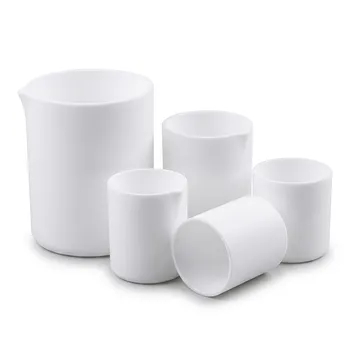
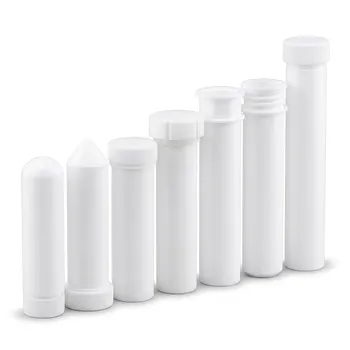
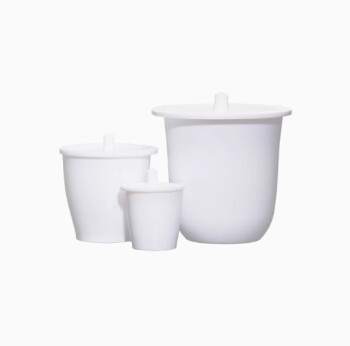
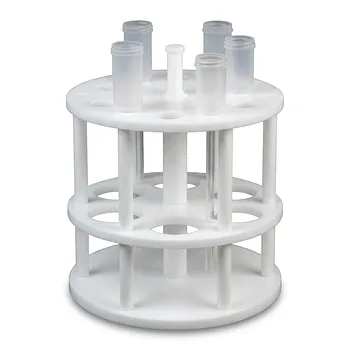
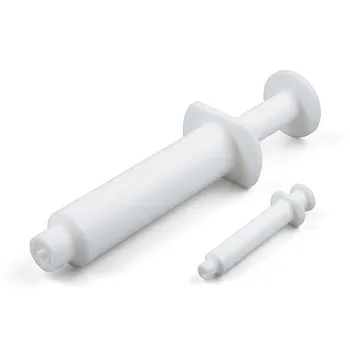
When your research demands zero contamination and absolute chemical resistance, KINTEK delivers. We specialize in high-performance PTFE and PFA laboratory supplies, ranging from everyday basic labware like beakers, crucibles, and reagent bottles to advanced fluid transfer components, filtration tools, and sample prep instruments.
Our capabilities extend to bespoke solutions, including custom CNC-machined parts and specialized reaction apparatus like electrochemical cells or microwave digestion vessels. Whether you require high-volume consumables or a complex, non-standard setup, KINTEK’s end-to-end fabrication ensures your equipment meets the most rigorous standards of modern science.
Ready to upgrade your laboratory rotors or custom components?
Contact KINTEK Today to Discuss Your Requirements
Related Products
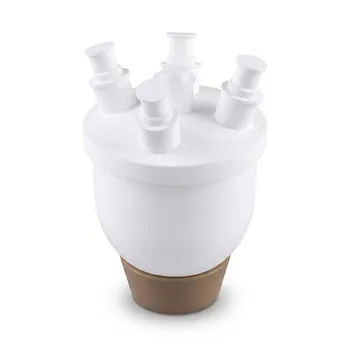
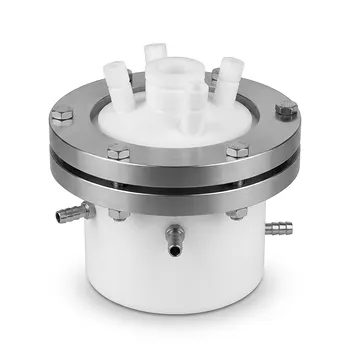
- High Performance Customizable PTFE Reaction Vessel and Corrosion Resistant Polytetrafluoroethylene Flask for Chemical Laboratory Use
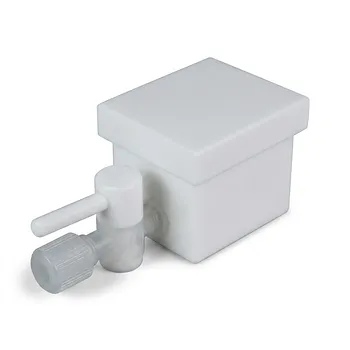
- Custom PTFE Laboratory Apparatus Corrosion Resistant Low Background Reaction Cells Precision CNC Fabrication
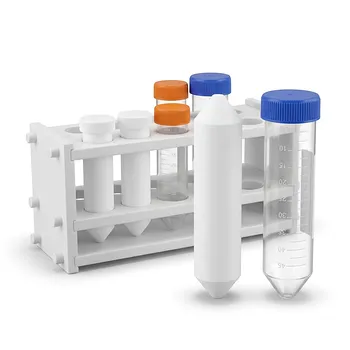
- High Purity PTFE Centrifuge Tubes for Trace Analysis Custom Laboratory Centrifugation Containers with Racks
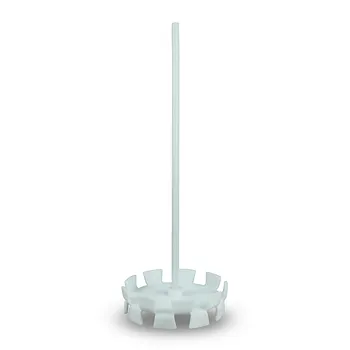
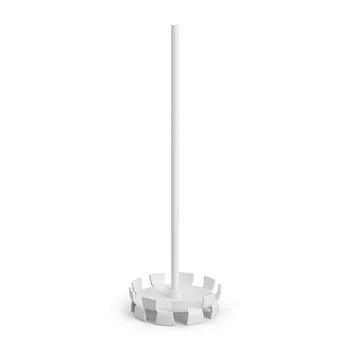
- Corrosion Resistant PTFE Dispersing Disc and High Temperature Propeller Stirring Paddle for Laboratory Chemical Mixing
- Large Scale PTFE Beakers and Flasks for High Temperature Corrosion Resistant Laboratory Applications with Custom CNC Fabrication
People Also Ask
- What are the key steps for structural integrity in molded PTFE lab reaction vessels? Master fine powder processing.
- Why is a PTFE reaction vessel required for Ti3C2Tx MXene synthesis? Ensure Safe HF Etching & High Purity
- Why are fluoroplastic (PTFE) reaction vessels recommended for Methylene Blue (MB) adsorption kinetic experiments?
- Ion Activation Reaction Vessel Requirements: Why PTFE is Critical for Membrane Performance
- How do perfluorinated solvent environments influence the selection of reaction vessels and fluid handling components in nonaqueous emulsion polymerizations? Choose fluoropolymer materials.