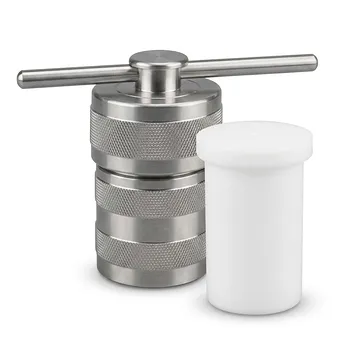
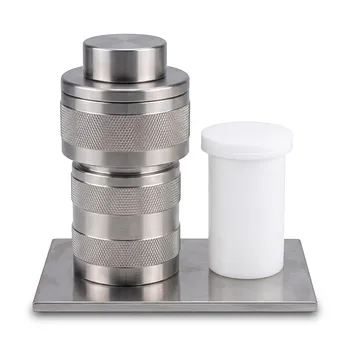
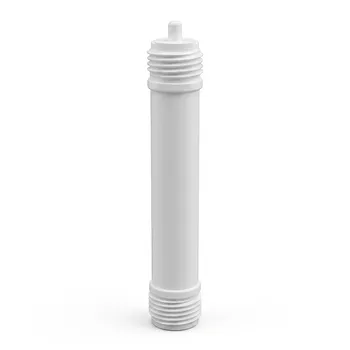
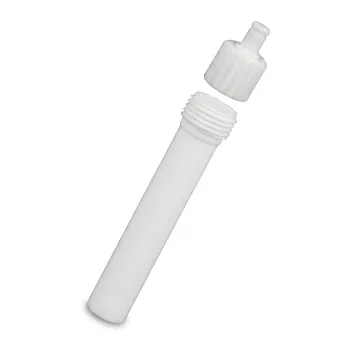
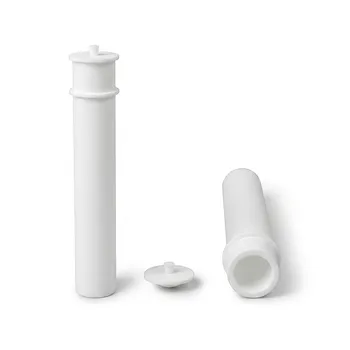
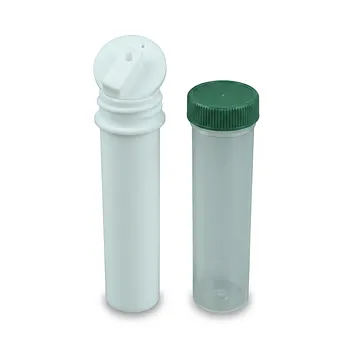
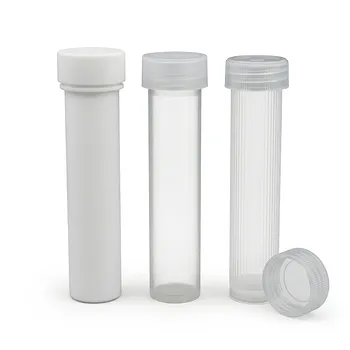
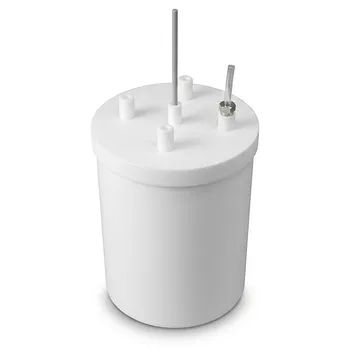
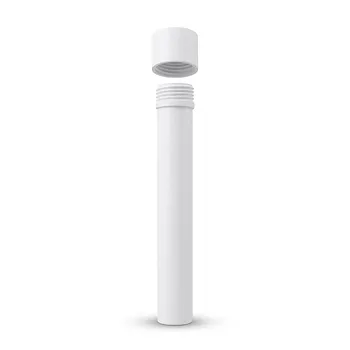
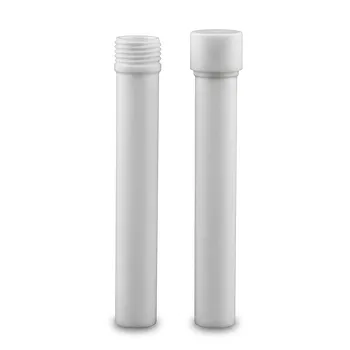
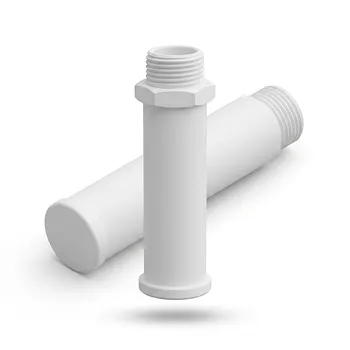
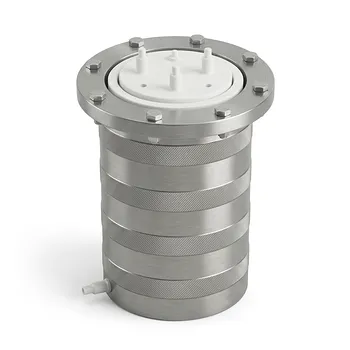
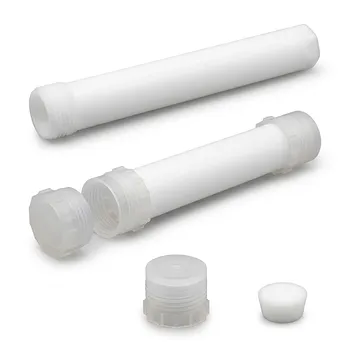
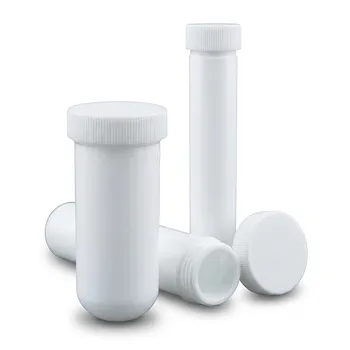
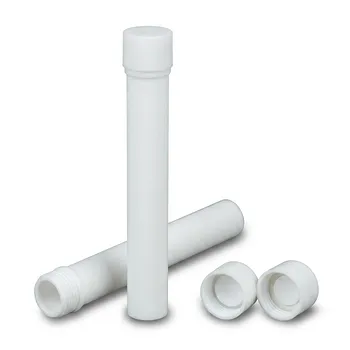
In solvothermal synthesis, the High-Pressure Digestion Vessel with a PTFE liner acts as a controlled, subcritical reactor that enables the formation of precise catalyst precursors. This setup provides a sealed, high-pressure environment at elevated temperatures (typically 130°C to 200°C), which facilitates the dissolution and oriented growth of components into uniform nanostructures.
The vessel functions as a dual-layer system where the outer shell provides the mechanical strength for high-pressure containment, while the PTFE liner ensures chemical purity and corrosion resistance. This combination is essential for synthesizing high-purity catalyst precursors with specific morphologies like nanosheets or heterojunctions.
Facilitating the Subcritical Reaction Environment
Pressure and Solubility Dynamics
The primary role of the high-pressure vessel is to create a closed subcritical environment.
Under these conditions, solvents reach temperatures well above their boiling points, significantly increasing the solubility and reactivity of precursor chemicals.
This enhanced solubility allows for the thorough mixing and dissolution of metal salts, which is necessary for the subsequent precipitation of uniform catalyst structures.
Control of Morphology and Oriented Growth
The stable pressure and temperature environment within the vessel promote oriented growth.
By maintaining a consistent thermal profile, the vessel allows precursors to organize into specific shapes, such as nanosheets or micro-flower structures.
This is particularly critical for catalysts where the surface area and crystalline facets directly determine the material's final catalytic activity.
The Critical Role of the PTFE Liner
Prevention of Metallic Contamination
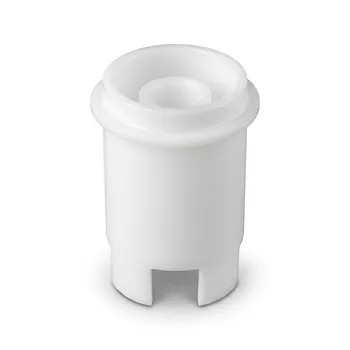
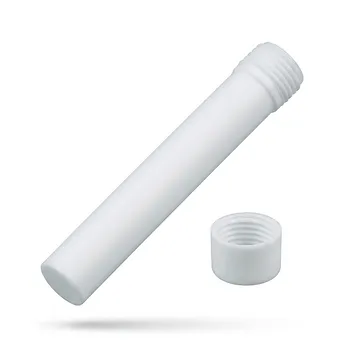
The PTFE liner serves as a chemical barrier between the corrosive precursor solution and the stainless steel vessel body.
Without this isolation, acidic or alkaline reagents could cause metal ions to leach from the steel shell into the reaction mixture.
Preventing this leaching is vital for maintaining the chemical purity of the catalyst, as even trace impurities can poison the catalyst or alter its electronic properties.
Exceptional Chemical Inertness
PTFE (Polytetrafluoroethylene) is chosen for its universal resistance to strong acids, bases, and organic solvents like dimethylformamide (DMF).
This inertness ensures that the liner itself does not participate in the reaction or react with precursors like iron chloride or ammonium metavanadate.
Furthermore, the non-stick properties of PTFE facilitate the complete recovery of crystalline products once the synthesis is finished.
Understanding the Trade-offs and Limitations
Temperature and Pressure Constraints
While PTFE is highly resilient, it has a functional temperature limit, typically around 200°C to 250°C.
Exceeding these temperatures can cause the liner to soften or deform, potentially compromising the seal and leading to a loss of pressure.
For reactions requiring temperatures above 250°C, alternative liner materials like PPL (Para-polyphenylene) or specialized quartz inserts must be used.
Thermal Expansion and Sealing
PTFE has a higher coefficient of thermal expansion than the stainless steel shell surrounding it.
The vessel design must account for this expansion to maintain a tight seal at high temperatures while avoiding "cold flow" or permanent deformation of the liner.
If the vessel is cooled too rapidly, the differential contraction can sometimes lead to vacuum formation or seal failure, potentially contaminating the sample.
How to Optimize Your Synthesis Process
Implementing Effective Synthesis Protocols
To ensure the best results when using these vessels for catalyst precursor synthesis, consider your primary objective:
- If your primary focus is Phase Purity: Ensure the PTFE liner is thoroughly "pre-cleaned" with acid to remove any residual trace metals from previous synthesis runs.
- If your primary focus is Morphological Control: Closely monitor the "fill degree" (the volume of liquid relative to the vessel size), as this directly influences the internal pressure and the resulting crystal growth patterns.
- If your primary focus is Structural Integrity: Use a slow cooling ramp (natural cooling) rather than quenching to prevent the detachment of grown nanoparticles from their substrates.
By balancing the chemical protection of the PTFE liner with the mechanical strength of the digestion vessel, researchers can reliably produce high-performance catalyst materials with tailored properties.
Summary Table:
| Feature | Function in Solvothermal Synthesis | Benefit for Catalyst Precursors |
|---|---|---|
| Subcritical Environment | Increases solvent solubility and reactivity | Promotes thorough mixing and dissolution of metal salts |
| Morphology Control | Maintains stable thermal/pressure profiles | Facilitates oriented growth (nanosheets, micro-flowers) |
| PTFE Liner | Acts as a corrosion-resistant chemical barrier | Prevents metallic contamination and maintains high purity |
| Non-stick Properties | Ensures easy product detachment | Enables complete recovery of synthesized crystalline products |
| Sealed System | Prevents evaporation of volatile solvents | Ensures consistent pressure for uniform nanostructure formation |
Elevate Your Research with KINTEK Precision Fluoropolymer Labware
Unlock the full potential of your solvothermal synthesis with KINTEK, your expert partner in high-performance laboratory supplies. From everyday essentials like PTFE and PFA beakers, crucibles, and reagent bottles to specialized components like hydrothermal synthesis liners, microwave digestion vessels, and custom electrochemical cells, we manufacture everything you need for sensitive chemical environments.
Our end-to-end custom CNC fabrication allows us to deliver non-standard machined parts and bespoke laboratory setups tailored to your specific research requirements. Whether you need high-volume consumables or complex reaction apparatus, KINTEK’s exclusive focus on high-performance fluoropolymers ensures maximum chemical purity and durability.
Ready to optimize your lab's efficiency? Contact KINTEK today to discuss your project and discover how our advanced PTFE and PFA solutions can enhance your results.
References
- Yuxiang Wang, Yong Chen. Scale-up upcycling of waste polyethylene terephthalate plastics to biodegradable polyglycolic acid plastics. DOI: 10.1038/s41467-025-59667-5
This article is also based on technical information from Kintek Knowledge Base .
Related Products
- 5ml High Pressure PTFE Digestion Vessel for Geological Mineral Analysis Corrosion Resistant Polytetrafluoroethylene TFM Digestion Inner Liner
- PTFE Lined High Pressure Digestion Vessel 50ml High Temperature Hydrothermal Synthesis Tank
- High Pressure PTFE Digestion Vessel Inner Cup Holder Custom Corrosion Resistant Low Background Teflon
- High Purity TFM Microwave Digestion Vessels PTFE Acid Evaporation Liners Domestic GT-400 Equivalent Laboratory Reaction Containers
- High Purity PTFE Microwave Digestion Vessel for Soil and Food Analysis Acid Resistant Fluoropolymer Sample Preparation Liners
People Also Ask
- What safety features are typically incorporated into high-pressure PTFE digestion vessel designs? Ensure Lab Safety
- What is the function of high-pressure PTFE digestion vessels in mineral analysis? Optimize Sample Mineralization
- Why is a PTFE liner utilized in V2O5 synthesis? Ensure Chemical Purity and Corrosion Resistance
- What is the primary function of a PTFE liner? Key Benefits for Purity and Safety in Hydrothermal Synthesis
- What is the role of a PTFE liner in Bi2O3–TiO2 synthesis? Ensure High Purity and Controlled Crystal Growth