Green hydrogen production relies on three primary electrolysis technologies: Alkaline, Polymer Electrolyte Membrane (PEM), and Solid Oxide Electrolysis Cells (SOEC). Each technology utilizes a distinct electrolyte and operating temperature range to split water into hydrogen and oxygen. While all three produce high-purity hydrogen (99.99%+) suitable for fuel cells, they differ significantly in their responsiveness to renewable energy and their overall energy efficiency.
Water electrolysis is the process of using electricity to split water into hydrogen and oxygen without carbon emissions. The choice between Alkaline, PEM, or Solid Oxide technologies depends on the availability of waste heat, the stability of the power source, and the specific requirements of the end-use application.
Alkaline Electrolysis: The Established Standard
The Mechanism of Liquid Electrolytes
Alkaline electrolytic cells represent the most mature technology, utilizing a liquid electrolyte solution to facilitate the reaction. These systems typically use potassium hydroxide (KOH) or sodium hydroxide (NaOH) dissolved in water.
Proven Stability and Longevity
Because this technology has been used industrially for decades, it is well-understood and highly reliable. It provides a consistent output of high-purity hydrogen, making it a staple for large-scale, steady-state industrial applications.
Polymer Electrolyte Membrane (PEM): Optimized for Renewables
Managing Variable Renewable Power
PEM electrolytic cells are specifically designed to handle the variable power inputs common with wind and solar energy. They offer a rapid response time, allowing them to ramp production up or down quickly as weather conditions change.
The Role of Solid Polymer Electrolytes
Unlike alkaline systems, PEM cells use a solid polymer electrolyte and operate at relatively low temperatures (70 to 90 degrees Celsius). This solid-state design contributes to a more compact system footprint and simplified maintenance compared to liquid-based systems.
Solid Oxide Electrolysis (SOEC): Maximizing Efficiency through Heat
Leveraging High-Temperature Heat
Solid Oxide cells operate at much higher temperatures than other methods, typically between 700 and 800 degrees Celsius. This high-heat environment allows the system to integrate external thermal energy, which significantly reduces the amount of electricity required to split the water molecules.
Ceramic Ion Conductors and Efficiency
These cells utilize ceramic ion conductors as the electrolyte to facilitate the chemical reaction. By using heat to do some of the "heavy lifting," SOEC systems can achieve higher overall energy efficiency than low-temperature alternatives.
Understanding the Trade-offs
Response Times vs. Thermal Requirements
While PEM is excellent for following the fluctuations of a solar farm, it lacks the extreme efficiency of a Solid Oxide system. Conversely, SOEC requires a constant heat source to maintain its high operating temperature, making it difficult to "cold start" or use with highly intermittent power.
Complexity and Material Costs
Alkaline systems are generally the most cost-effective but involve handling corrosive liquid electrolytes. Solid Oxide systems, while efficient, face challenges regarding the durability of ceramic materials under high-temperature stress and the need for complex thermal management.
Choosing the Right Electrolysis Technology
The selection of an electrolysis method depends on your available infrastructure and the nature of your energy source. Each technology offers a specific path toward decarbonizing industrial and transport sectors.
- If your primary focus is integrating with variable wind or solar: PEM technology is the best choice due to its rapid response to fluctuating power inputs.
- If your primary focus is industrial efficiency with available waste heat: Solid Oxide (SOEC) is the ideal solution as it uses external heat to lower total electrical consumption.
- If your primary focus is a proven, lower-cost industrial installation: Alkaline electrolysis remains the most established and widely used technology for steady-state production.
By matching the specific strengths of these technologies to the energy source, we can build a scalable and efficient green hydrogen economy.
Summary Table:
| Feature | Alkaline Electrolysis | PEM Electrolysis | Solid Oxide (SOEC) |
|---|---|---|---|
| Electrolyte Type | Liquid (KOH/NaOH) | Solid Polymer Membrane | Ceramic Ion Conductor |
| Operating Temp. | 60°C - 90°C | 70°C - 90°C | 700°C - 800°C |
| Best Energy Source | Steady-state Grid | Variable Wind/Solar | Industrial Waste Heat |
| Response Time | Slow | Rapid | Very Slow |
| System Maturity | High (Proven) | Commercializing | Emerging |
Optimize Your Green Hydrogen Research with KINTEK
To achieve high-purity results in water electrolysis and hydrogen production research, your laboratory infrastructure must withstand demanding chemical environments. KINTEK specializes in manufacturing high-performance fluoropolymer laboratory supplies crafted from PTFE and PFA, ensuring unmatched chemical resistance and thermal stability for your experiments.
From basic labware like high-purity beakers, cylinders, and reagent bottles to advanced reaction apparatus such as custom electrochemical cells, battery testing fixtures, and hydrothermal synthesis liners, we provide the precision tools required for cutting-edge energy research. Whether you need standard consumables (O-rings, tubing, filters) or bespoke non-standard machined parts through our end-to-end custom CNC fabrication, KINTEK is your partner for high-volume orders and complex laboratory setups.
Ready to elevate your lab's performance? Contact KINTEK today to discuss your custom project!
Related Products
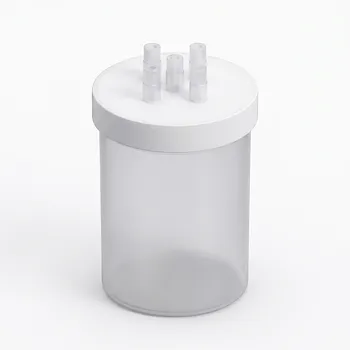
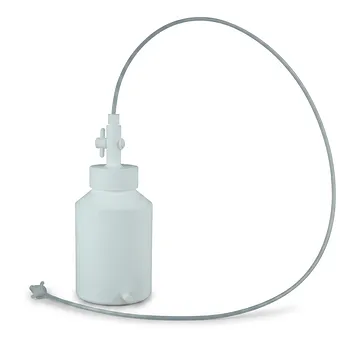
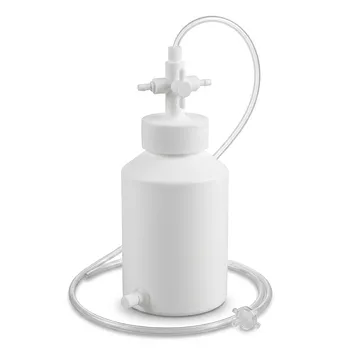
- High Purity 4L PFA Reaction Tank for Proton Exchange Membrane Electrolysis Water Oxygen Separation Systems
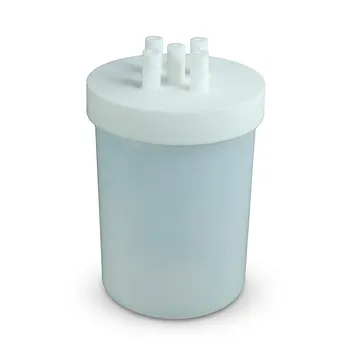
- High Purity PFA Reaction Vessel 4L Water Oxygen Separation Tank for Proton Exchange Membrane Electrolysis Experiments Customizable Laboratory Fluid Component
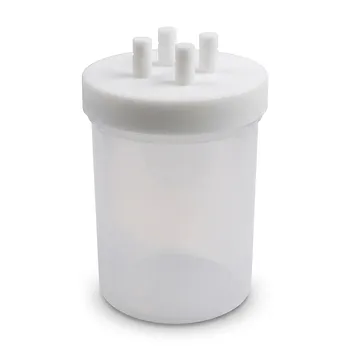
- High Purity PFA Reaction Tank for Proton Exchange Membrane Electrolysis and Water Oxygen Separation Custom Labware
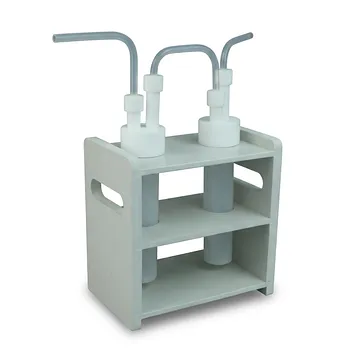
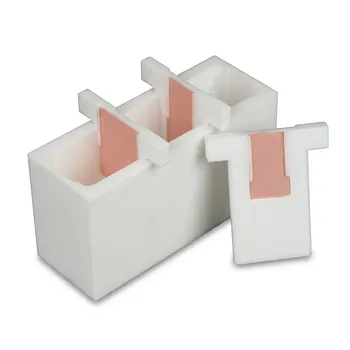
- Custom PTFE Acid Resistant Support Rack Multi Hole PFA Hydrogen Absorption System Bracket
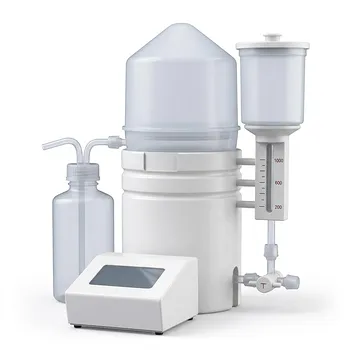
- Custom Virgin PTFE Gravity Leaching Pure Water System Corrosion Resistant Low Background Ultra High Purity Laboratory Processing Device
People Also Ask
- Why Are High-Purity Fluoropolymer Vessels and Tubing Critical for Trace Analysis? Prevent Contamination Reliably
- What are the primary functional and temperature differences between PFA and FEP when selecting melt-processible fluoropolymers for custom laboratory apparatus?
- Why is the chemical stability of polymer endgroups critical when selecting melt-processible fluoropolymers like PFA for high-purity laboratory apparatus? Choose Stable Endgroups for Reliable Performance
- What are the characteristics of PFA material? A Guide to Its High-Performance Balance
- Why is Perfluoroalkoxy alkane (PFA) preferred over glass or stainless steel in pharmaceutical process development? Pure Yield