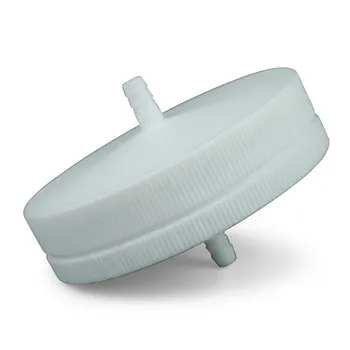
PTFE is the industry standard for environmental sampling because of its near-total chemical inertness. This unique property prevents the adsorption of target analytes onto container walls and stops the desorption of contaminants into the sample, ensuring that the chemical composition of water or sludge remains unchanged from the field to the lab.
The primary value of PTFE in environmental science is its role as a "neutral observer," providing a non-reactive surface that protects the integrity of trace metals, nutrients, and organic compounds during collection, transport, and aggressive acid digestion.
Maintaining Sample Integrity through Chemical Inertness
Preventing Adsorption and Desorption
In environmental sampling, the greatest risk is the loss of the "target analyte" to the surface of the container. PTFE (Polytetrafluoroethylene) provides a non-stick, non-reactive surface that ensures molecules like trace nutrients or organic pollutants do not stick to the walls.
Conversely, it prevents leaching, where the container itself releases impurities into the sample. This dual-action protection is critical for maintaining the original elemental concentrations of water and sludge during long-term storage and transportation.
Mitigating the "Memory Effect" in VOC Sampling
When measuring Volatile Organic Compounds (VOCs), equipment can often retain residues from previous tests, leading to "memory effects." PTFE's exceptionally low background emissions and resistance to secondary releases ensure that measurements reflect the instantaneous state of the environment.
By utilizing PTFE connectors and bases, technicians can avoid the secondary release of volatile molecules. This is essential for high-precision work, such as measuring low-concentration plant volatiles or industrial emissions.
Performance in Harsh Analytical Environments
Compatibility with Hydrofluoric Acid (HF)
Standard glass or low-grade plastics cannot survive the acid digestion process required to analyze soil or sludge. PTFE is one of the few materials compatible with hydrofluoric acid (HF), which is necessary to dissolve siliceous fractions that often trap heavy metals.
Safety in High-Pressure Digestion
Fluoropolymer vessels are designed to withstand high temperatures and intense oxidizing agents like nitric acid and hydrogen peroxide. Their high-pressure tolerance and leak resistance ensure that volatile species, such as mercury and arsenic, are not lost to the atmosphere during the digestion process.
This containment not only protects the accuracy of the data but also ensures laboratory safety by preventing the escape of corrosive fumes. This makes PTFE the preferred material for closed-vessel digestion systems.
Understanding the Trade-offs
The PFAS Limitation
The most significant drawback of PTFE is its status as a fluoropolymer. In protocols specifically targeting per- and polyfluoroalkyl substances (PFAS), PTFE must be strictly avoided.
Using PTFE in these instances can introduce analytical bias or background contamination because the material itself contains the fluorinated compounds being measured. In these specialized cases, alternative materials like high-density polyethylene (HDPE) or silicone are required.
Physical and Economic Considerations
While PTFE is highly durable and recyclable, it is significantly more expensive than single-use plastics. Its non-stick properties make it easy to clean for reuse, but the initial capital investment for PTFE bailers and drum samplers is higher than for other materials.
How to Apply This to Your Project
Selecting the Right Material for Your Goal
To ensure the most accurate environmental data, your choice of sampling equipment should align with your specific analytical targets.
- If your primary focus is trace metal analysis (As, Pb, Hg, Cd): Use high-purity PFA or PTFE containers to prevent background leaching and ensure zero metal loss.
- If your primary focus is acid digestion of sludge or soil: Utilize PTFE digestion tubes to allow for the safe use of hydrofluoric acid and the retention of volatile species.
- If your primary focus is VOC or plant volatile monitoring: Choose PTFE connectors to eliminate memory effects and ensure accurate, real-time emission data.
- If your primary focus is PFAS or "Forever Chemicals" testing: Avoid PTFE entirely and consult specific regulatory protocols for approved non-fluorinated sampling materials.
By prioritizing the chemical neutrality of PTFE, you ensure that your environmental samples are a true and accurate reflection of the site's conditions.
Summary Table:
| Feature | Benefit for Environmental Sampling | Ideal Application |
|---|---|---|
| Chemical Inertness | Prevents adsorption/desorption of analytes | Trace metal & nutrient analysis |
| HF Compatibility | Survives aggressive acid digestion processes | Soil and sludge dissolution |
| Non-Stick Surface | Eliminates "memory effects" & background noise | VOC and plant volatile monitoring |
| Thermal Stability | Safe for high-pressure/temp digestion | Retention of volatile Hg and As |
| Extreme Purity | Zero leaching of container contaminants | Ultra-trace elemental analysis |
Elevate Your Environmental Analysis with KINTEK Fluoropolymer Solutions
Ensure absolute sample integrity with KINTEK, your premier partner for high-performance PTFE and PFA laboratory supplies. Whether you require everyday basic labware (beakers, measuring cylinders, crucibles, reagent bottles, and digestion tubes) or specialized trace analysis instruments, we deliver the chemical neutrality your research demands.
From comprehensive fluid transfer components (tubing, fittings, valves) and sample prep tools (filters, pipettes, spatulas) to advanced reaction apparatus like microwave digestion vessels and custom electrochemical cells, KINTEK manufactures virtually every lab essential. Backed by end-to-end custom CNC fabrication, we provide everything from high-volume consumables to bespoke, non-standard machined parts tailored to your specific project.
Ready to protect your data from contamination? Contact us today to discuss your custom laboratory needs!
Related Products
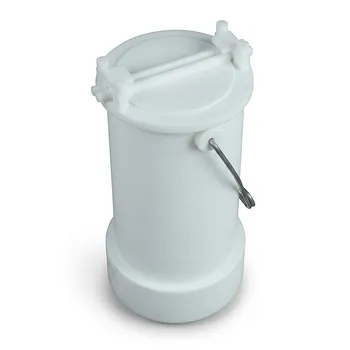
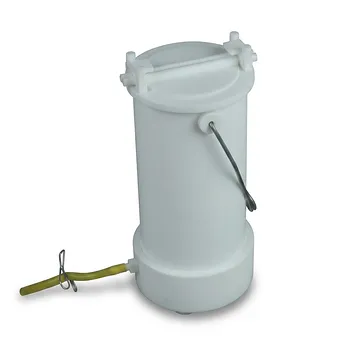
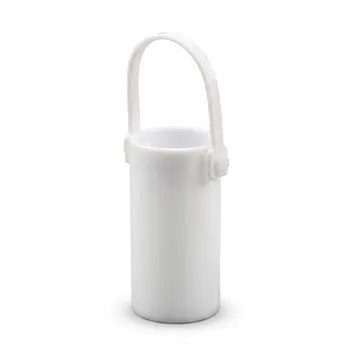
- Custom PTFE Groundwater Sampling Bucket Corrosion Resistant Detachable Fluoropolymer Sampler for Trace Analysis
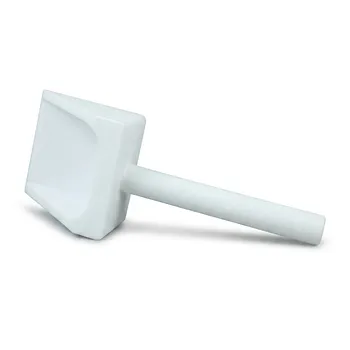
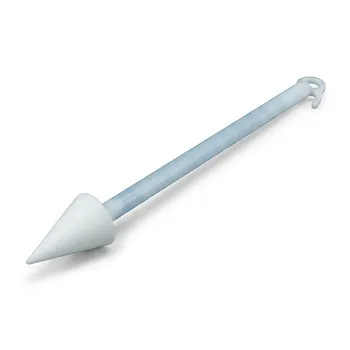
- Custom PTFE Scraper Shovel and Sampling Spoon Dual Use Corrosion Resistant Low Background White Fluoropolymer Tool
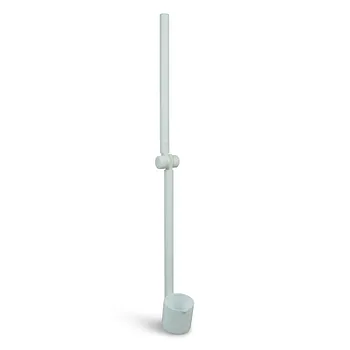
- Custom PTFE Deep Water Sampler Corrosion Resistant Low Background Teflon Sampling Bucket
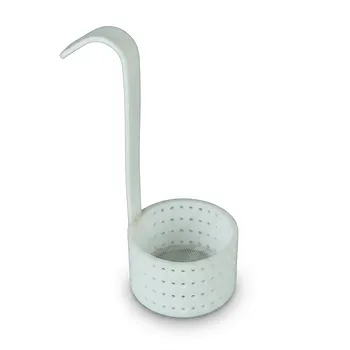
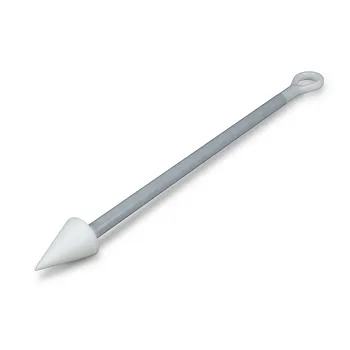
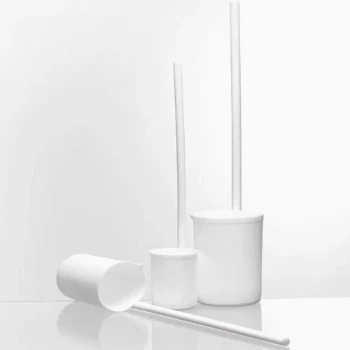
- Corrosion Resistant PTFE Sampling Cup Custom Fabricated PTFE Sampling Scoop Laboratory Fluoropolymer Sampling Tools
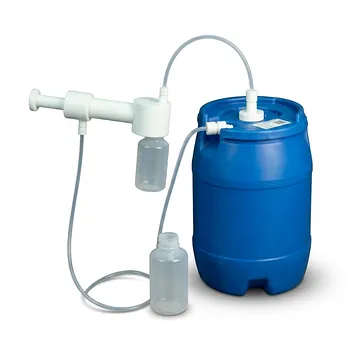
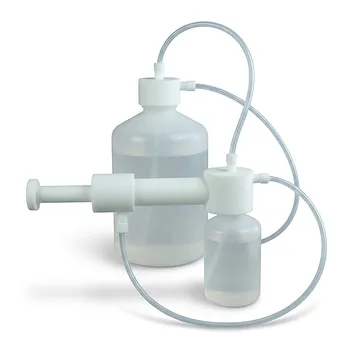
- PTFE Ultrapure Liquid Sampler Corrosion Resistant Acid Sampling Tool for 200L Reactors Custom Fluoropolymer Sampling Device
People Also Ask
- What are the benefits of using nickel foam as a current collector for Bi2MoO6 supercapacitors? Enhanced 3D Conductivity
- Why is Polytetrafluoroethylene (PTFE) the reference medium for PM2.5 and PM10 regulatory air quality sampling? Guide
- Why are fluoropolymers preferred over natural polymers in membrane-based water treatment? Key benefits and morphology control tips