Polytetrafluoroethylene (PTFE) is the designated reference medium because it provides a near-perfect "blank slate" for mass measurement. Its unique chemical structure ensures that the filter does not gain weight from moisture or react with collected pollutants, allowing the final measurement to reflect only the captured particulate matter. This stability is essential for meeting the stringent precision requirements of PM2.5 and PM10 regulatory standards.
PTFE is the industry standard because its chemical inertness and hydrophobicity eliminate environmental interference. By remaining passive during sampling, it ensures that gravimetric analysis and subsequent chemical testing are both accurate and reproducible.
Achieving Absolute Gravimetric Precision
Minimal Tare Weight and High Sensitivity
PTFE membranes are engineered to have a very low tare weight. This lightness is critical when measuring the microscopic mass of PM2.5 and PM10 particles.
A lighter filter substrate increases the signal-to-noise ratio during weighing. This allows laboratory technicians to detect minute changes in mass with higher confidence.
Resistance to Atmospheric Moisture
PTFE is inherently hydrophobic, meaning it does not absorb water from the air. This characteristic is vital for maintaining a stable weight under varying humidity levels.
Unlike other materials, PTFE’s negligible moisture uptake ensures the filter weight remains constant between the initial pre-weighing and the final post-weighing. This prevents "false" mass gains caused by high humidity.
Preserving Sample Integrity for Chemical Analysis
Chemical Inertness and Passive Behavior
The carbon-fluorine bonds in PTFE are exceptionally strong, making the material chemically inert. It does not react with reactive nitrogen species, nitrates, or nitrites during the 24-hour sampling period.
This passivity prevents background reactions between the filter and gaseous components like hydrogen peroxide. Consequently, the sample remains chemically "pure" for post-sampling laboratory evaluation.
Low Background Contamination
PTFE is a "virgin" material produced without reinforcing fillers or complex chemical additives. This results in extremely low background impurity levels.
These low background levels are essential for ultra-trace metal element analysis. Scientists can be certain that any detected metals originated from the air, not the filter material itself.
Structural Resilience in the Field
High Mechanical Strength
Despite being thin and lightweight, PTFE membranes possess high mechanical strength. This durability allows them to withstand the physical stress of high-flow sampling without tearing.
The structural integrity of the membrane ensures that no material is lost during transport or handling. This prevents errors that would result in an underestimation of particulate concentrations.
Flow Rate Stability
The hydrophobic nature of the material helps maintain a stable sampling flow rate. This is particularly important when sampling in foggy or high-moisture meteorological conditions.
Because the filter does not swell or become "clogged" by water droplets, the air moves through the medium consistently. This ensures a representative sample of the total air volume is collected.
Understanding the Trade-offs
Operational Challenges
While PTFE is the gold standard for mass, it can be prone to static electricity. Static charges can interfere with microbalances during the weighing process, requiring specialized de-ionizing equipment.
Cost and Resistance
PTFE filters are generally more expensive than glass fiber or quartz alternatives. Additionally, they can have a higher pressure drop, meaning the sampling pump must work harder to pull air through the dense membrane.
How to Apply This to Your Monitoring Goals
Making the Selection Based on Your Objectives
The choice of PTFE is driven by the specific data you need to collect and the regulatory requirements of your jurisdiction.
- If your primary focus is Regulatory Compliance (PM2.5/PM10): Use PTFE membranes to ensure your data meets the legal requirements for gravimetric accuracy.
- If your primary focus is Ultra-Trace Metal Analysis: PTFE is the necessary choice to avoid background contamination and ensure sample purity.
- If your primary focus is Chemical Speciation of Reactive Gases: Utilize PTFE to prevent secondary reactions between the air and the filter substrate.
Choosing PTFE ensures that your air quality data is built on a foundation of physical and chemical stability.
Summary Table:
| Key PTFE Property | Benefit for Air Quality Sampling |
|---|---|
| Hydrophobicity | Prevents moisture absorption; ensures stable gravimetric results. |
| Chemical Inertness | No secondary reactions with gases; preserves sample integrity. |
| Low Tare Weight | Enhances sensitivity and signal-to-noise ratio for micro-mass. |
| High Strength | Resists tearing during high-flow sampling and field transport. |
| Ultra-Low Background | Ideal for trace metal analysis without filter contamination. |
Elevate Your Analytical Precision with KINTEK
Ensure absolute accuracy in your regulatory monitoring and lab workflows with high-performance fluoropolymer solutions. At KINTEK, we maintain an exclusive focus on PTFE and PFA materials to support the most demanding scientific applications.
Whether you require:
- Everyday Lab Essentials: Beakers, crucibles, reagent bottles, and centrifuge tubes.
- Trace Analysis & Filtration: High-purity membranes, filters, and high-purity trace analysis instruments.
- Fluid Handling: Precision tubing, fittings, valves, and pump components.
- Advanced Apparatus: Custom electrochemical cells, battery testing fixtures, and microwave digestion vessels.
From high-volume consumable orders to complex, bespoke CNC-fabricated parts, KINTEK is equipped to deliver everything your laboratory needs for peak performance.
Contact our experts today to discuss your custom project or standard lab supply needs.
Related Products
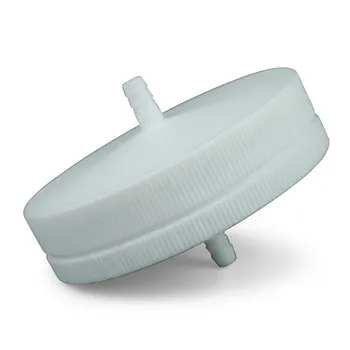
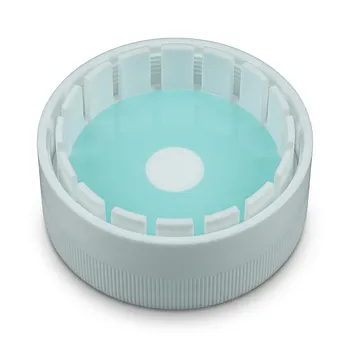
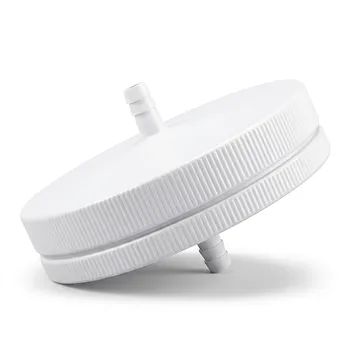
- PTFE Membrane Filter Holder for Aerosol Environmental Monitoring and Low Concentration Particulate Matter Sampling Chemical Resistant Air Quality Analysis Component
- High Purity PTFE PM2.5 Filter Sample Splitter for Environmental Monitoring Customizable Square Filter Divider for CDC Analysis
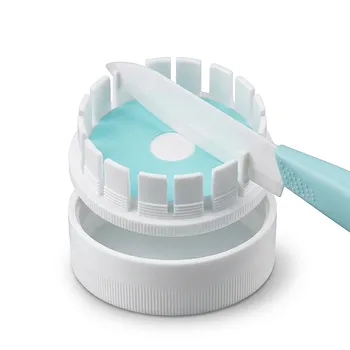
- High Purity PTFE Filter Membrane Cutter with Ceramic Blade for PM2.5 Analysis and Customizable Laboratory Filter Paper Splitter
- PTFE Filter Membrane Holder 47mm Leak Proof Corrosion Resistant Environmental Sampling Unit Customizable
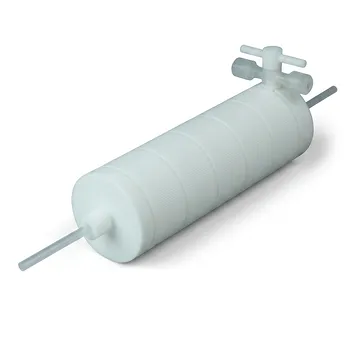
- Custom PTFE Filtration System Acid Resistant High Purity Semiconductor Grade Chemical Processing Filter
People Also Ask
- How does the inherent hydrophobicity of PTFE filter membranes affect liquid and gas separation? Optimize Performance
- What are the structural characteristics and manufacturing principles of Polytetrafluoroethylene (PTFE) filter membranes?
- What is the thermal stability range for PTFE filter membranes? Master Extremes from -200°C to +260°C
- What is the chemical composition and temperature resistance of PTFE filter membranes? Essential Specs for Labs
- What are the performance advantages of PTFE filter membranes vs depth filters? Boosting Lab Purity and Efficiency