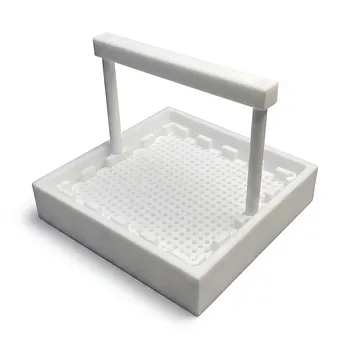
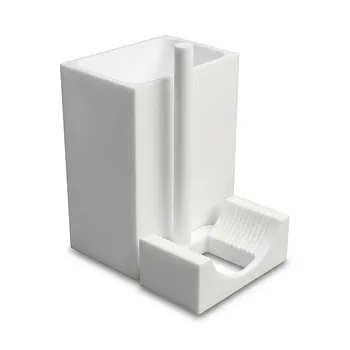
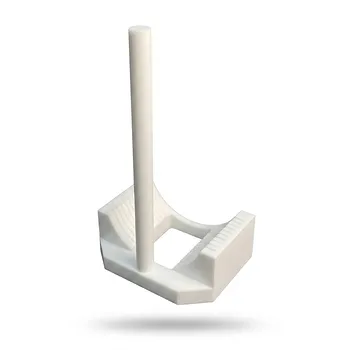
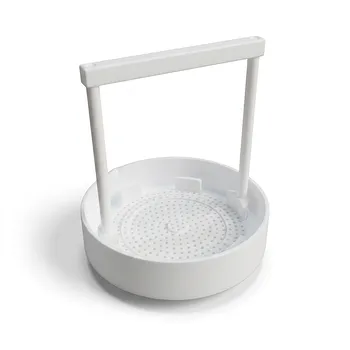
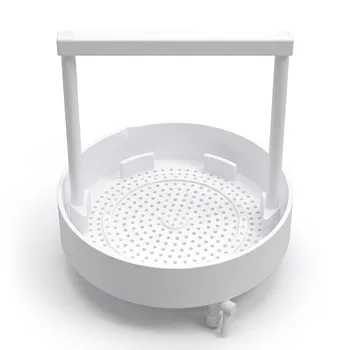
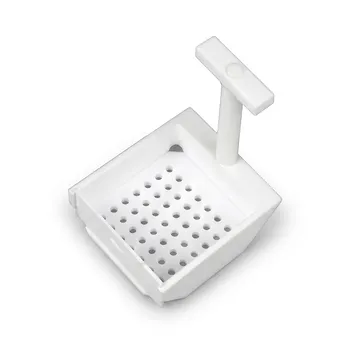
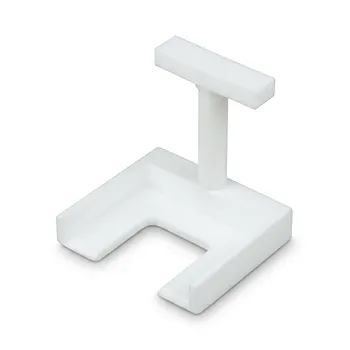
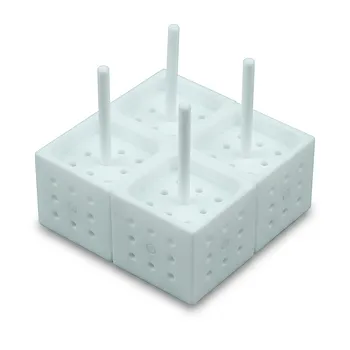
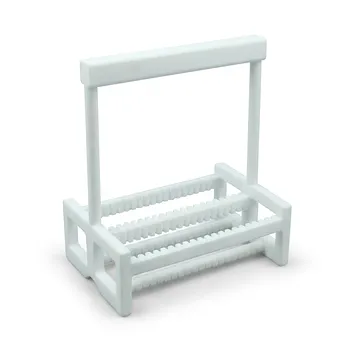
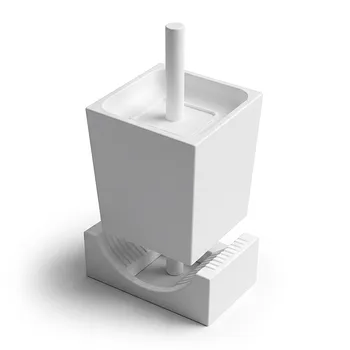
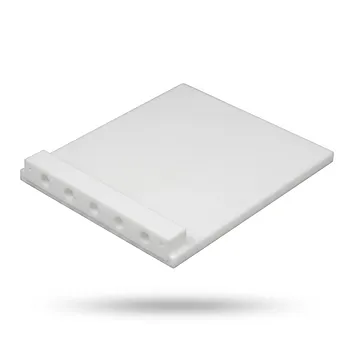
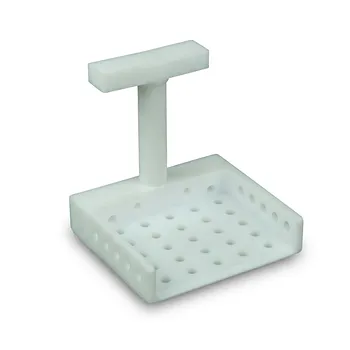
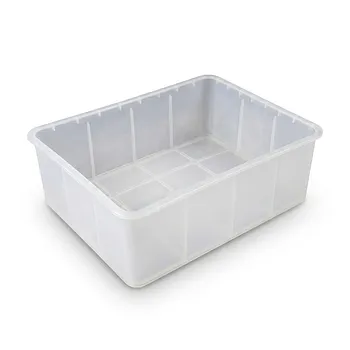
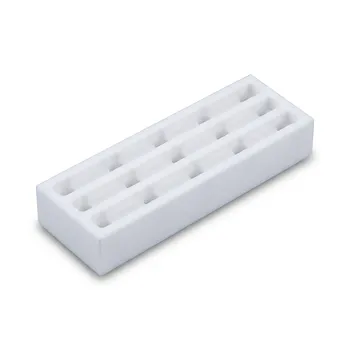
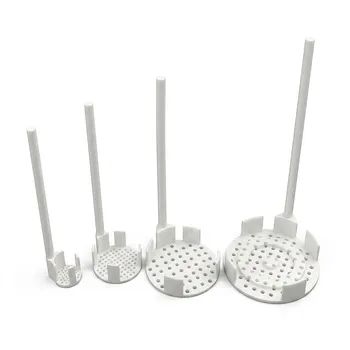
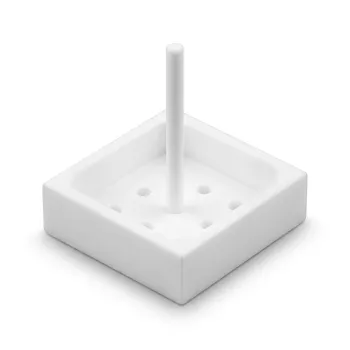
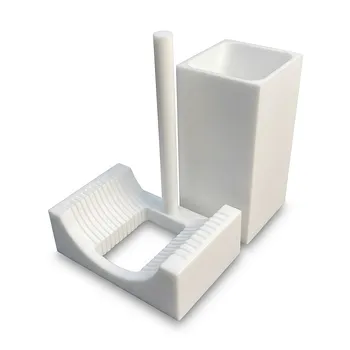
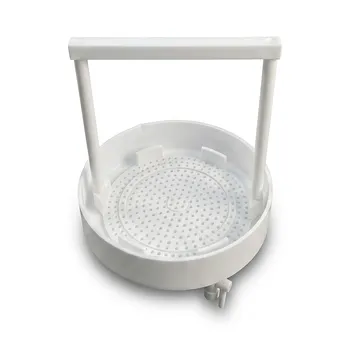
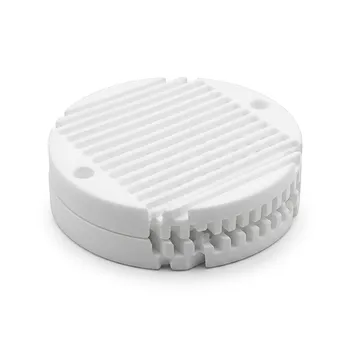
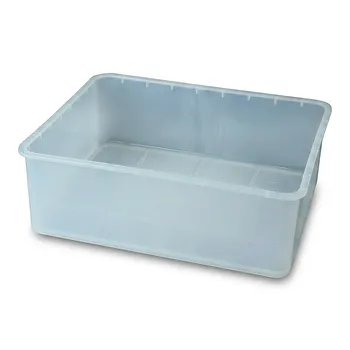
PTFE is the industry standard for wafer cleaning fixtures because it provides unparalleled chemical inertness and material purity. Unlike stainless steel or polypropylene, PTFE does not leach metallic ions or organic contaminants into sensitive cleaning baths, ensuring the ultra-pure environment required for semiconductor fabrication. Its naturally non-stick, hydrophobic surface further prevents particle adhesion, which is critical for maintaining high manufacturing yields.
PTFE serves as a "neutral" foundation for wafer processing, ensuring the fixture itself never becomes a source of contamination. By combining extreme chemical resistance with a low-friction surface, it minimizes the risk of trace impurities and particulate buildup that would otherwise destroy sensitive electronic components.
The Critical Importance of Material Purity
Eliminating Metallic and Organic Leaching
In semiconductor manufacturing, even a few parts-per-trillion of metallic ions can ruin a wafer. Stainless steel, while durable, carries a high risk of metallic contamination and corrosion when exposed to aggressive cleaning agents.
PTFE is a high-purity polymer that does not leach ions or organic extractables into the cleaning solution. This stability ensures that the integrity of the sample or wafer remains paramount throughout the entire process.
Chemical Inertness Against Harsh Reagents
Wafer cleaning often involves "piranha" solutions, strong acids, and bases that would quickly degrade lower-grade plastics like polypropylene. Polypropylene can become brittle or shed micro-particles when exposed to extreme chemical environments over time.
PTFE demonstrates extensive resistance to almost all chemicals, including steam and concentrated acids. This chemical "stubbornness" allows it to maintain its structural integrity where other materials would fail.
Surface Dynamics and Contamination Control
Preventing Particulate Buildup
The surface of a fixture is just as important as its internal chemistry. PTFE’s low coefficient of friction and non-stick properties prevent residues and particles from clinging to the fixture.
By preventing the accumulation of these particulates, PTFE significantly reduces the risk of cross-contamination between different batches of wafers. This leads to a more reliable, repeatable manufacturing process with higher overall yields.
Hydrophobic Properties for Efficient Cleaning
PTFE is naturally hydrophobic, meaning it actively repels water and liquid-borne particles. This property makes the fixtures much easier to wipe down and dry compared to more porous or hydrophilic materials.
Because liquid-borne contaminants cannot easily "wet" the surface, they are easily rinsed away during the cleaning cycle. This simplifies the maintenance of the fixtures and ensures they return to a "zero-baseline" state of cleanliness quickly.
Understanding the Trade-offs
Mechanical Rigidity and Thermal Expansion
While PTFE is chemically superior, it is a softer material than stainless steel and is prone to "creep" or deformation under heavy loads. It also has a higher rate of thermal expansion, which must be accounted for in the design of precision fixtures.
Initial Investment vs. Long-Term Value
The upfront cost of PTFE is notably higher than that of polypropylene or common metals. However, its long lifespan and the reduced frequency of replacement often make it the more cost-effective choice for long-term operations.
Structural Design Limitations
Because PTFE cannot be easily welded like stainless steel, fixtures must often be machined from solid blocks or designed with specialized mechanical seals. This can lead to more complex manufacturing requirements for the fixtures themselves.
How to Apply This to Your Project
When selecting the material for your next batch of cleaning fixtures, consider the specific chemical and purity requirements of your process. While PTFE is often the "gold standard," your specific environment will dictate the necessity of its properties.
- If your primary focus is ultra-high purity and yield: Choose PTFE to eliminate the risk of metallic leaching and organic contamination.
- If your primary focus is cost-efficiency in non-critical environments: Polypropylene may be sufficient for mild cleaning agents where trace contamination is not a primary concern.
- If your primary focus is structural strength or high-pressure seals: Consider a hybrid design or reinforced fluoropolymers that offer better mechanical stability than pure PTFE.
Selecting the right material ensures that your fixtures facilitate the cleaning process rather than becoming a variable that threatens your final product quality.
Summary Table:
| Feature | PTFE (Teflon) | Stainless Steel | Polypropylene |
|---|---|---|---|
| Chemical Inertness | Exceptional (Acid/Base/Solvent) | Poor (Corrodes in Acids) | Moderate (Degrades in Harsh Chemicals) |
| Material Purity | Ultra-High (No leaching) | Low (Metallic Ion Leaching) | Moderate (Organic Extractables) |
| Surface Adhesion | Non-stick & Hydrophobic | Variable (Residue prone) | Moderate (Particulate buildup) |
| Cost Profile | Higher initial / Long life | Moderate | Low initial / High replacement |
Elevate Your Semiconductor Yields with KINTEK High-Performance Fluoropolymers
Maximize your process integrity by eliminating contamination risks at the source. KINTEK specializes in manufacturing virtually every laboratory supply imaginable from high-purity PTFE and PFA. From everyday basics like beakers, centrifuge tubes, and reagent bottles to advanced custom CNC-machined wafer cleaning fixtures and microwave digestion vessels, we provide the neutral foundation your sensitive electronic components require.
Whether you need standard consumables like stirring bars and gaskets or bespoke electrochemical cells and microchannel reactors, our end-to-end fabrication ensures precision and absolute material purity. Don’t let material leaching compromise your manufacturing yields—leverage our expertise in high-performance fluoropolymers to secure your laboratory’s future.
Contact KINTEK today to discuss your custom fabrication needs
Related Products
- Square PTFE Wafer Cleaning Basket Fluoropolymer Semiconductor Etching Rack Custom Silicon Wafer Carrier
- Customizable Square PTFE Silicon Wafer Cleaning Flower Basket for Semiconductor Wet Process Etching and Substrate Handling
- 6 Inch PTFE Wafer Cleaning Rack for Wet Etching Acid and Alkali Resistant Fluoropolymer Wafer Carrier
- PTFE Wafer Cleaning Basket 4 Inch Etching Rack Acid Alkali Resistant Custom Mask Carrier
- Semiconductor PTFE Cleaning Basket 12 Inch Wafer Wet Etching Rack Acid Alkali Resistant Fluoropolymer Carrier
People Also Ask
- What is the continuous service temperature range for PTFE laboratory cleaning baskets? Durable Lab Solutions Explained
- What are the specific applications of PTFE flower baskets in the semiconductor industry? Expert Wafer Processing Guide
- What structural components are typically found in a high-purity PTFE wafer cleaning rack? Optimize Your Cleaning Process
- How can PTFE adhere to another surface? Unlock Permanent Bonding with Chemical Etching
- How does the structural design of a PTFE flower basket ensure uniform fluid access to substrates? Optimize Lab Yields