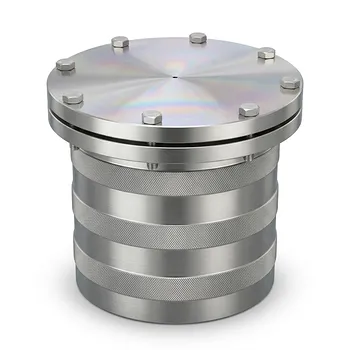
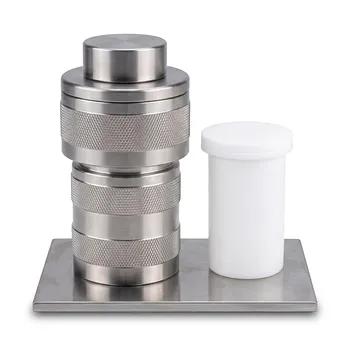
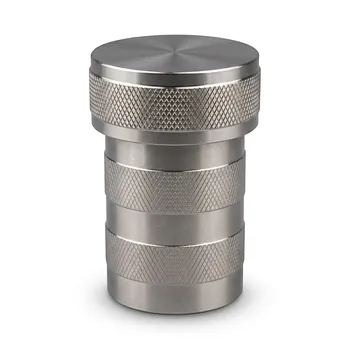
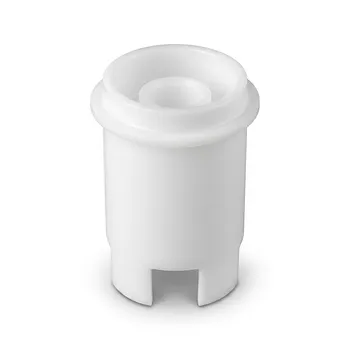
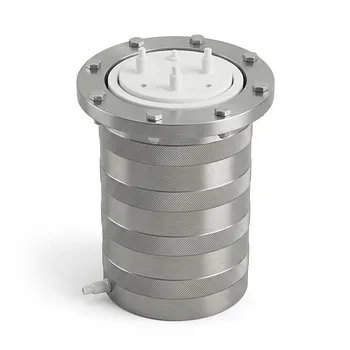
A Teflon-lined high-pressure autoclave is essential for hydrothermal synthesis because it creates a stable, high-energy environment that facilitates the controlled crystallization of metal precursors into specific nanostructures. By isolating the reaction within a chemically inert PTFE (Polytetrafluoroethylene) liner, the system prevents metallic contamination and vessel corrosion while allowing temperatures and pressures to exceed the solvent's normal boiling point. This unique environment is required to achieve the high purity and complex morphologies, such as nanosheets or needles, characteristic of transition metal oxides.
The core utility of a Teflon-lined autoclave lies in its ability to combine high-pressure kinetic acceleration with absolute chemical isolation. It enables subcritical solvent conditions that drive molecular rearrangement while ensuring the resulting metal oxides remain free from impurities leaching from the reactor's metal shell.
The Role of the Sealed High-Pressure Environment
Achieving Subcritical Conditions
The sealed autoclave allows water or other solvents to be heated far beyond their normal boiling points. This creates subcritical or near-critical conditions where the solvent's properties change, increasing the solubility of precursors and facilitating reactions that would be impossible at atmospheric pressure.
Accelerating Reaction Kinetics
Under high pressure and temperature, the kinetic energy of the reactants increases significantly. This environment accelerates the hydrolysis and crystallization processes, allowing transition metal oxides like manganese or copper to form well-defined crystal phases in a relatively short timeframe.
The Necessity of the PTFE (Teflon) Liner
Preventing Metallic Contamination
Transition metal oxide synthesis is highly sensitive to the presence of foreign ions. The PTFE liner possesses an extremely low impurity leaching rate, ensuring that the final copper or manganese oxide nanostructures are not contaminated by iron, nickel, or chromium from the autoclave's stainless steel exterior.
Chemical Inertness Against Aggressive Precursors
Hydrothermal reactions often involve highly acidic or alkaline solutions and strong oxidizing agents. The exceptional corrosion resistance of Teflon protects the structural integrity of the autoclave's metal shell from aggressive chemicals that would otherwise cause rapid erosion and vessel failure.
Providing a Non-Stick Surface
The smooth, anti-adhesion properties of Teflon prevent precursors and products from sticking to the vessel walls. This ensures a uniform deposition of nanostructures and allows for the recovery of the synthesized material with high yield and consistent morphology.
Controlling Morphology and Crystallization
Facilitating Molecular Rearrangement
The high-pressure environment promotes thorough molecular rearrangement. This is critical for the growth of single-crystal structures, such as copper oxide nanosheets or manganese dioxide heterojunctions, which require precise atomic alignment during the crystallization phase.
Enabling Specific Nanostructure Architectures
By maintaining a stable environment over long durations (often 20+ hours), the autoclave allows for the development of complex morphologies. These include peony-like, needle-like, or nano-island structured catalysts that provide the high specific surface areas required for advanced technical applications.
Understanding the Trade-offs and Limitations
Temperature Constraints of PTFE
While Teflon is highly inert, it has a physical limit; it typically begins to soften or undergo thermal degradation at temperatures exceeding 220°C to 250°C. For syntheses requiring higher temperatures, more expensive liners like PPL (Polyphenylene polymers) or gold-lined vessels may be necessary.
Pressure Safety and Cooling Rates
The internal pressure generated during heating can be immense, requiring careful monitoring of the filling degree (usually 60-80%) to prevent explosions. Furthermore, the insulating properties of the Teflon liner can slow down cooling rates, which may affect the final crystal size if rapid quenching is required for a specific morphology.
How to Apply This to Your Project
Recommendations Based on Synthesis Goals
- If your primary focus is high purity for electronics: Ensure the PTFE liner is thoroughly acid-washed between uses to eliminate any trace elements that could leach into your transition metal oxide.
- If your primary focus is complex morphology (e.g., nanosheets): Use a slower heating and cooling ramp to allow the high-pressure environment to facilitate orderly crystal growth without structural defects.
- If your primary focus is corrosive alkaline synthesis: Frequently inspect the Teflon liner for signs of "pitting" or deformation, as aggressive bases can eventually wear down the liner's seal at high temperatures.
By mastering the balance of pressure, temperature, and chemical isolation, you can consistently produce high-performance metal oxide nanostructures with predictable physical properties.
Summary Table:
| Feature | Benefit for Synthesis | Critical Reason |
|---|---|---|
| PTFE (Teflon) Liner | Eliminates metallic ion leaching | Prevents contamination from stainless steel reactor walls. |
| High-Pressure Seal | Achieves subcritical solvent states | Increases precursor solubility and accelerates crystal growth. |
| Chemical Inertness | Resists aggressive acids/alkalis | Protects the structural integrity of the autoclave vessel. |
| Non-Stick Surface | Ensures uniform deposition | Maximizes yield and enables easy recovery of nanostructures. |
| Controlled Kinetics | Precise morphology development | Essential for forming complex nanosheets, needles, or islands. |
Elevate Your Synthesis with KINTEK’s High-Performance Fluoropolymers
Achieving precision in transition metal oxide nanostructures requires equipment that never compromises on purity. KINTEK specializes in the absolute focus of high-performance fluoropolymer materials, offering an extensive range of PTFE and PFA laboratory supplies designed for the most demanding hydrothermal environments.
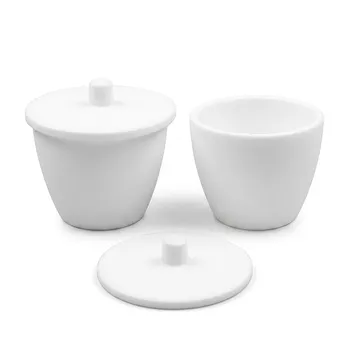
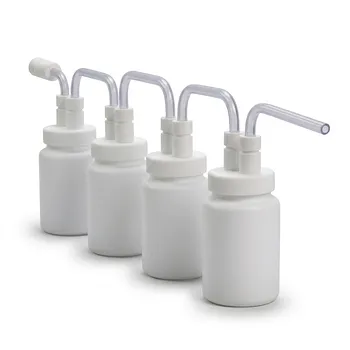
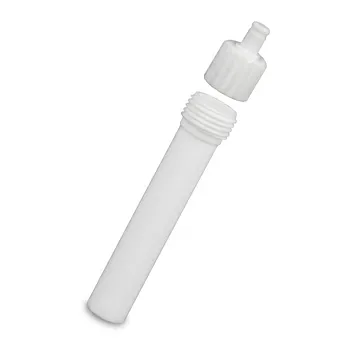
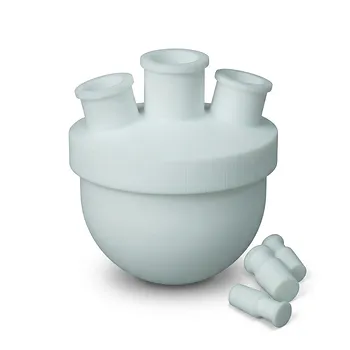
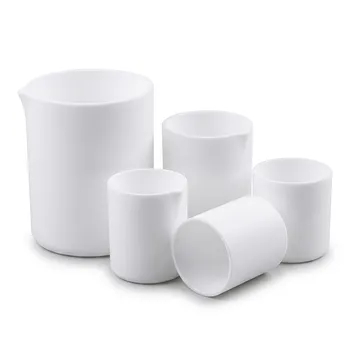
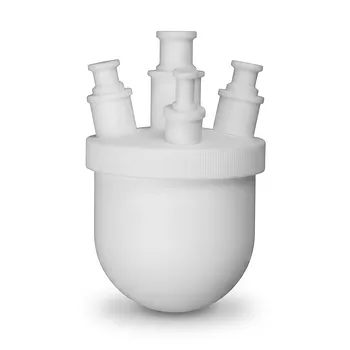
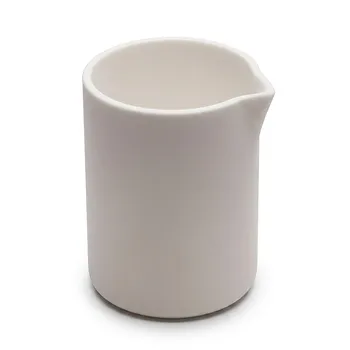
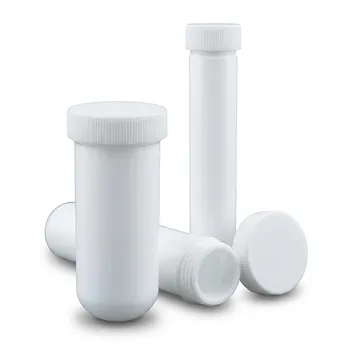
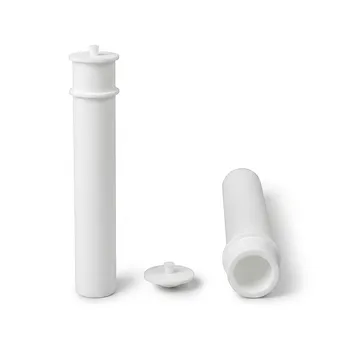
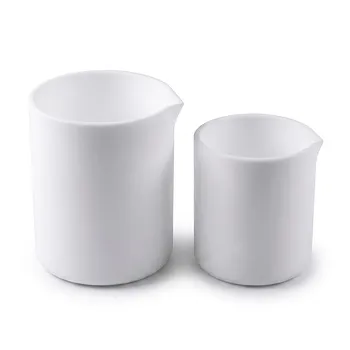
From essential labware—including beakers, digestion tubes, and reagent bottles—to specialized components like hydrothermal synthesis liners, microwave digestion vessels, and custom CNC-machined parts, we provide everything needed for high-purity trace analysis and complex reaction setups. Whether you require high-volume consumables or bespoke, non-standard laboratory apparatus, KINTEK delivers end-to-end fabrication excellence.
Ready to optimize your lab’s performance? Contact KINTEK today to discuss your custom requirements and secure the high-purity tools your research deserves.
References
- Oladipo Folorunso, Williams Kehinde Kupolati. Sustainable metal oxides and their composites for lithium-ion batteries and multifunctional applications. DOI: 10.1007/s10853-025-11231-8
This article is also based on technical information from Kintek Knowledge Base .
Related Products
- Custom TFM Reaction Vessel with Stainless Steel Jacket and PTFE Inner Cup for High Corrosion Resistance
- PTFE Lined High Pressure Digestion Vessel 50ml High Temperature Hydrothermal Synthesis Tank
- High Temperature Corrosion Resistant Hydrothermal Synthesis Reactor with TFM Inner Liner and Straight Cylinder Design
- High Pressure PTFE Digestion Vessel Inner Cup Holder Custom Corrosion Resistant Low Background Teflon
- High Purity Corrosion Resistant Teflon Crucible Low Background Laboratory PTFE Vessel for Trace Analysis and Acid Digestion
People Also Ask
- Why are high-performance pressure-resistant reaction vessels required for oxygen-assisted hydrothermal conversion at 150 °C?
- Why are high-quality fluoropolymer-lined reaction vessels required for alk-Ti3C2Tx MXene? Ensure Purity & HF Resistance
- How do magnetic stirring and reaction vessels impact MOF-derived carbon quality? Optimize Your Composite Performance
- Why are PTFE-lined reaction vessels necessary for forced degradation studies? Ensure high-purity results and accuracy.
- Why is a high-purity PTFE lined reaction vessel required for the acidic etching of MXenes? Ensure Material Purity.