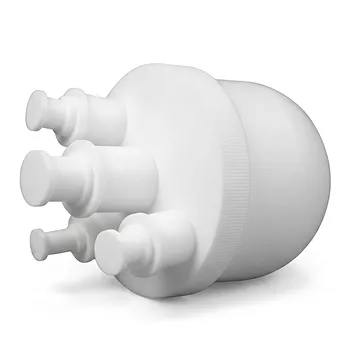
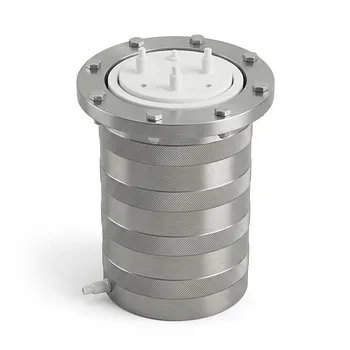
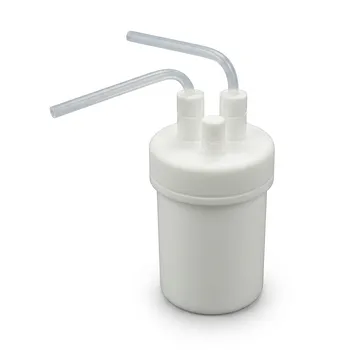
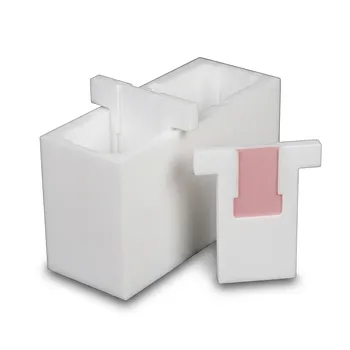
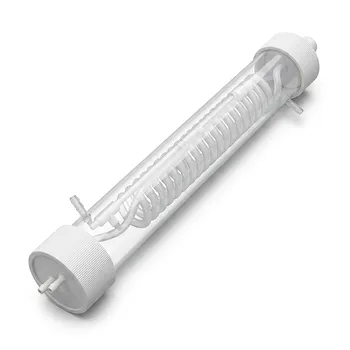
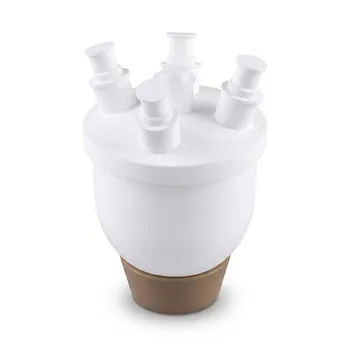
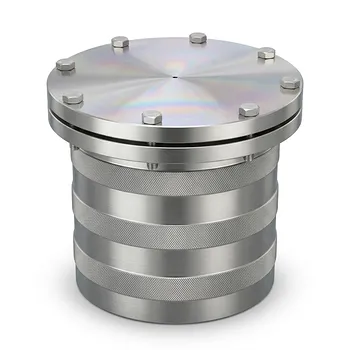
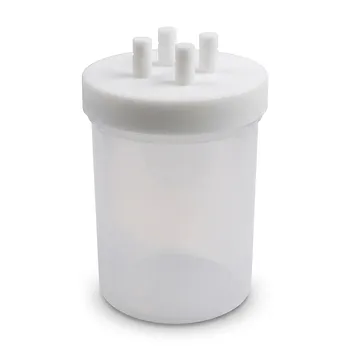
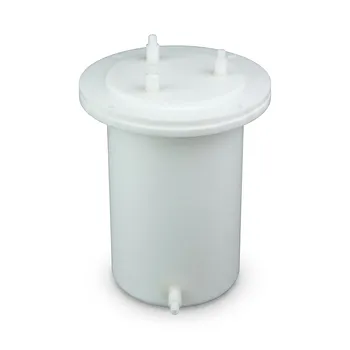
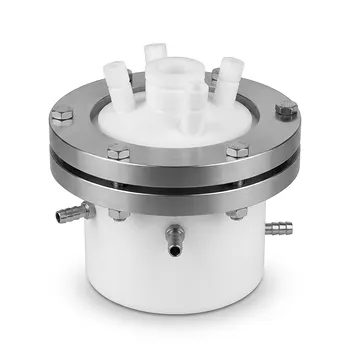
High-purity fluoropolymer liners are the critical barrier required to maintain the chemical and structural integrity of NiFe layered double hydroxides (LDH) during hydrothermal synthesis. These liners, typically made of PTFE or PFA, provide a chemically inert environment that withstands the extreme temperatures and strong alkaline conditions necessary for crystal growth. By isolating the reaction from the metal walls of the autoclave, they prevent the introduction of metallic impurities and ensure that the catalyst grows with the precise stoichiometry and morphology required for high-performance electrochemistry.
The use of high-purity fluoropolymer liners is essential to prevent metal leaching from the reactor walls, which would otherwise contaminate the catalyst and compromise its structural regularity and catalytic activity.
Overcoming the Challenges of Extreme Synthesis Environments
Resistance to Harsh Alkaline Corrosion
The synthesis of NiFe LDH often requires strong alkaline environments and corrosive precursors like nitrates to facilitate proper crystallization. High-purity PTFE liners are exceptionally resistant to these aggressive chemicals, ensuring the vessel does not degrade during the reaction. Without this protection, the caustic solutions would immediately begin to etch the stainless steel body of the reactor.
Maintaining Stability Under High Pressure
Hydrothermal synthesis relies on a sealed environment where temperatures often exceed the boiling point of the solvent, generating significant internal pressure. These liners are designed to maintain a perfect seal while under thermal stress, providing the stable conditions needed for urea hydrolysis and subsequent precipitant production. This pressure is vital for driving the directional crystal growth that forms the LDH’s characteristic layered structure.
Protecting Chemical Purity and Structural Integrity
Eliminating Metallic Impurity Leaching
The primary risk of using an unlined or poorly lined reactor is the leaching of metal ions (such as chromium or nickel) from the autoclave walls into the precursor solution. Chemical inertness ensures that the NiFe LDH grows in a "clean" environment, preventing side reactions that would alter the catalyst's composition. This purity is vital for achieving repeatable experimental results and maintaining the integrity of defect structures within the LDH.
Facilitating In-Situ Growth and Collection
Fluoropolymer materials possess unique non-stick properties that prevent the synthesized LDH nanostructures from adhering to the liner walls. This ensures that the nanosheets can be fully collected or, in the case of in-situ growth, remain focused on the intended substrate like nickel foam or a gas diffusion layer. This focused growth promotes a strong mechanical bond between the active catalytic material and the conductive substrate, enhancing long-term durability.
Understanding the Trade-offs and Limitations
Thermal and Mechanical Limits
While fluoropolymer liners are robust, they have a maximum operating temperature (typically around 220°C–250°C for PTFE) beyond which they may soften or deform. Operating near these limits for extended periods can lead to "creep," potentially compromising the seal and risking reactor failure. Users must balance the need for high-temperature kinetics with the physical limitations of the liner material.
Potential for Trace Contamination
Even high-purity liners can harbor trace residues from previous experiments if not cleaned rigorously using acid digestion or specialized protocols. Furthermore, lower-grade fluoropolymers may contain fillers or additives that can leach into the reaction at extreme pressures. It is critical to use high-purity, virgin-grade materials to ensure that the liner itself does not become a source of contamination.
Optimizing Synthesis for Your Project Goals
Recommendations for Effective LDH Synthesis
- If your primary focus is maximum catalytic purity: Use virgin-grade PTFE or PFA liners and perform a "dummy" hydrothermal run with dilute acid before the actual synthesis to strip any surface contaminants.
- If your primary focus is long-term catalyst durability: Ensure the liner is tightly fitted to promote high-pressure conditions, which strengthens the mechanical bond between the NiFe LDH and the metal substrate.
- If your primary focus is morphological control: Leverage the non-stick surface of the liner to ensure that all precipitants contribute to the growth of nanospheres or nanosheets on your target electrode rather than the vessel walls.
By meticulously controlling the reaction environment through high-purity liners, researchers can achieve the precise chemical and structural properties necessary for next-generation energy conversion technologies.
Summary Table:
| Feature | Benefit for NiFe LDH Synthesis | Recommended Material |
|---|---|---|
| Chemical Inertness | Prevents metal leaching & catalyst contamination | High-purity PTFE/PFA |
| Corrosion Resistance | Withstands aggressive alkaline & nitrate precursors | Virgin-grade PTFE |
| Non-stick Surface | Facilitates nanosheet collection & in-situ growth | PTFE / PFA |
| Thermal Stability | Maintains seal for high-pressure crystal growth | Specialized Fluoropolymers |
Elevate Your Materials Research with KINTEK’s Precision Fluoropolymers
Achieving the precise stoichiometry required for high-performance NiFe LDH catalysts demands a reaction environment free of metallic impurities. KINTEK specializes in high-performance fluoropolymer laboratory supplies, offering everything from hydrothermal synthesis liners, microwave digestion vessels, and high-purity trace analysis instruments to complex custom CNC-fabricated PTFE and PFA parts.
Whether your project requires everyday essentials like beakers, reagent bottles, and centrifuge tubes, or advanced apparatus such as electrochemical cells and microchannel reactors, our end-to-end manufacturing ensures your research is backed by absolute chemical purity and mechanical precision.
Ready to optimize your synthesis results? Contact our experts today to secure the high-purity components your laboratory needs.
References
- Denghui Zhang, Tianyi Kou. Self-standing NiFe based gas diffusion electrodes toward high-rate AEM water electrolysis. DOI: 10.1360/tb-2024-0397
This article is also based on technical information from Kintek Knowledge Base .
Related Products
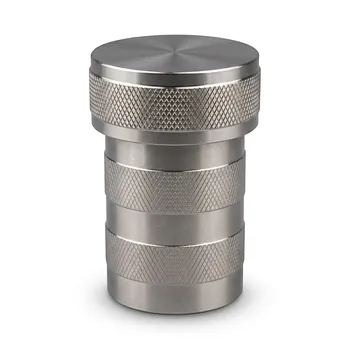
- High Temperature Corrosion Resistant Hydrothermal Synthesis Reactor with TFM Inner Liner and Straight Cylinder Design
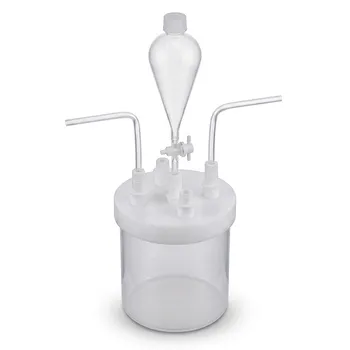
- High Purity PFA Reaction Vessel for Biopharmaceutical Synthesis and Corrosive Chemical Fluid Handling with Customizable Tube Fittings
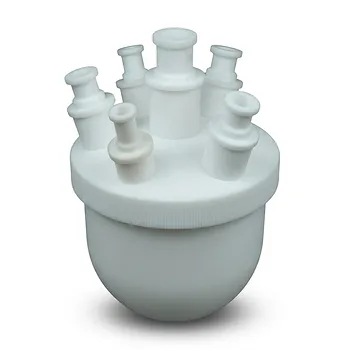
- Custom Multi Neck PTFE Flask 18L Laboratory Chemical Reactor Vessel for High Purity Synthesis and Stirring Applications
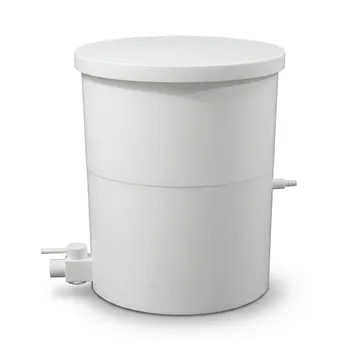
- Large Scale PTFE Double Layer Reaction Tank with Integrated Filter Plate High Purity Polytetrafluoroethylene Chemical Vessel 25L
- PTFE Lined High Pressure Digestion Vessel 50ml High Temperature Hydrothermal Synthesis Tank
People Also Ask
- What is the role of a corrosion-resistant reactor in the synthesis of lignin-based carbon dots? Ensure Maximum Purity
- What are the technical advantages of using hydrothermal synthesis reactors for advanced electronic & optical nanomaterials?
- How does a hydrothermal synthesis reactor facilitate the production of crystalline materials with tailored morphologies? Precision Crystal Growth
- Why is the sealing reliability of a hydrothermal synthesis reactor critical for 24-hour cycles? Ensure Nano-Precision
- What role do hydrothermal synthesis reactors play in CQD preparation? Achieve High-Purity Nanomaterial Synthesis