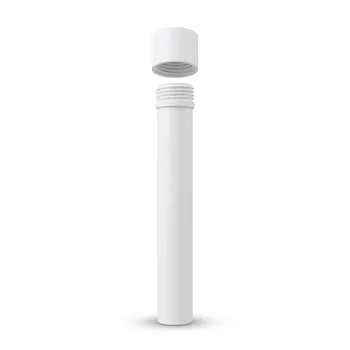
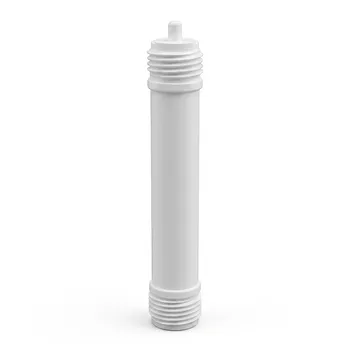
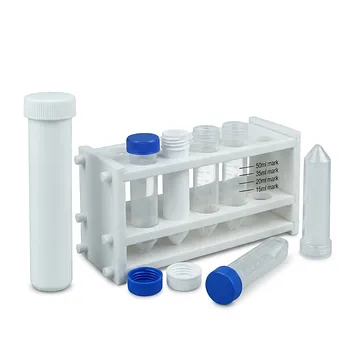
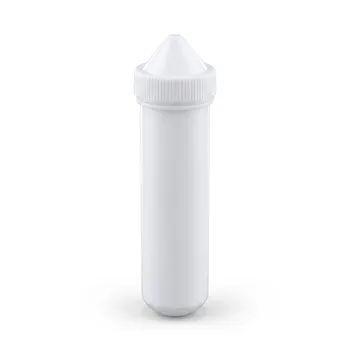
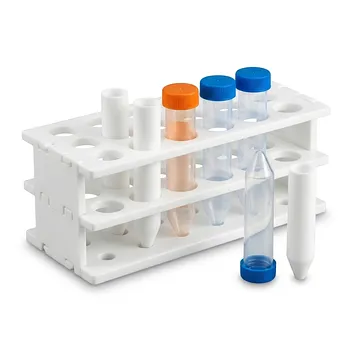
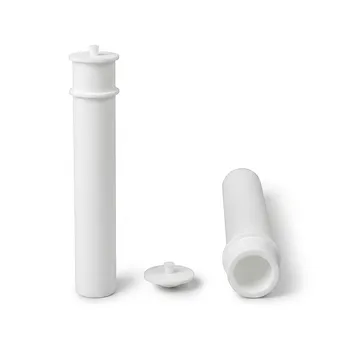
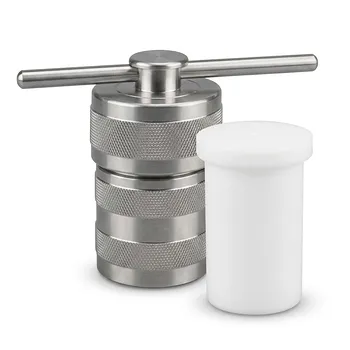
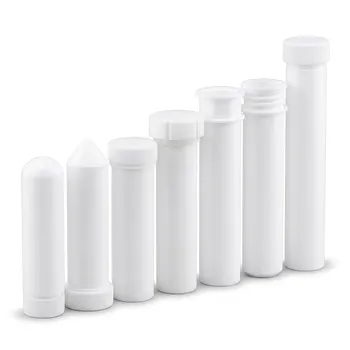
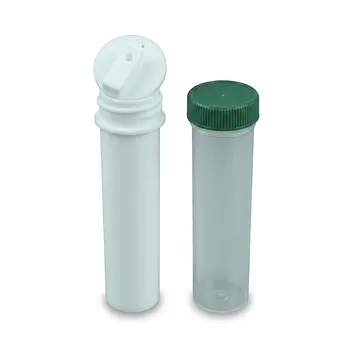
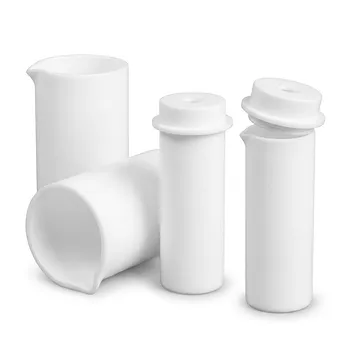
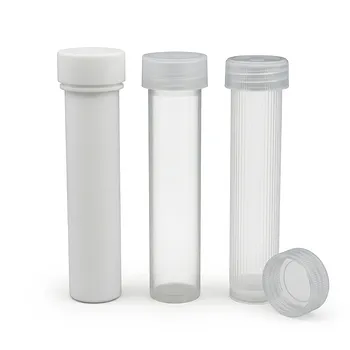
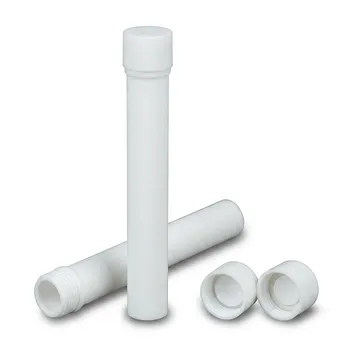
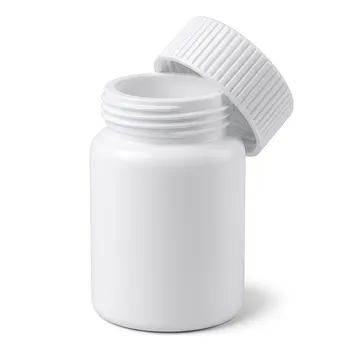
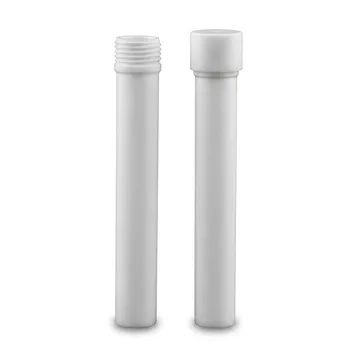
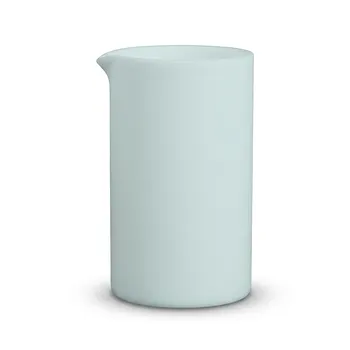
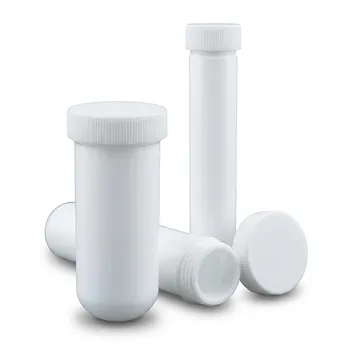
PTFE digestion tubes are the industry standard for soil analysis because they are uniquely resistant to hydrofluoric acid (HF), the only reagent capable of fully dissolving the silica-rich minerals that trap heavy metals. Beyond chemical resistance, these vessels allow for high-temperature, closed-system digestion, which prevents the loss of volatile elements like mercury and arsenic while ensuring the sample is not contaminated by the vessel itself.
To achieve accurate environmental analysis, the digestion vessel must be as inert as the reaction is aggressive. PTFE (Polytetrafluoroethylene) provides a chemically "invisible" environment that survives the extreme acids and temperatures required to turn solid earth into a liquid for testing.
The Necessity of Hydrofluoric Acid Compatibility
Breaking the Siliceous Lattice
Soil and sediment are largely composed of silica and silicates. These mineral structures often physically "lock in" the heavy metals that labs need to measure, making them inaccessible to standard acids like nitric acid.
Hydrofluoric acid (HF) is required to break these silicon-oxygen bonds and fully liberate the trapped metals. Because HF aggressively dissolves glass and many plastics, PTFE is one of the few materials that can contain the reaction without being destroyed.
Achieving Total Digestion
Total digestion is the goal of environmental sediment analysis. Without the chemical stability of PTFE, researchers could not use the specific acid mixtures (HNO3-HF-HClO4) necessary to ensure every milligram of the mineral matrix is accounted for.
Maintaining Sample Integrity and Sensitivity
Extremely Low Elemental Background
In trace element analysis, the container must not contribute to the measurement. High-purity PTFE and its modified version, TFM, have an exceptionally low heavy metal background, meaning they do not leach impurities into the sample.
This purity is critical for detecting elements at the parts-per-billion (ppb) level. By using fluoropolymer vessels, labs eliminate the risk of "false positives" caused by the container material.
Prevention of Ion Adsorption
The surface of a PTFE tube is incredibly smooth and non-polar. This prevents target metal ions from sticking to the walls of the vessel, a common problem with lower-quality materials that can lead to under-reporting of metal concentrations.
Safety and Volatile Element Retention
The Power of Closed-Vessel Systems
Environmental samples often contain volatile species such as mercury (Hg) and arsenic (As). In an open container, these elements would evaporate and be lost to the atmosphere during heating.
PTFE tubes are designed to operate in sealed, pressurized environments. This "closed-vessel" approach keeps volatile elements trapped in the liquid phase for accurate measurement while protecting laboratory staff from corrosive acid fumes.
High Thermal Stability
Soil digestion requires prolonged heating, often reaching temperatures between 180°C and 260°C. PTFE maintains its structural integrity and leak resistance under these harsh conditions, ensuring the vessel does not deform or fail during high-pressure reactions.
Understanding the Trade-offs
Memory Effects and Cleaning
While PTFE is highly inert, it is slightly porous at a microscopic level. Over time, high concentrations of certain elements can become "trapped," leading to potential cross-contamination or "memory effects" between different samples.
To mitigate this, labs must implement rigorous acid-leaching cleaning protocols. Failure to properly maintain and "de-ghost" the tubes can compromise the sensitivity of future analyses.
Pressure Limits and Safety
Although PTFE is durable, it has physical limits. If a sample contains high organic matter, the resulting gas buildup can exceed the vessel's pressure rating, necessitating a controlled "pre-digestion" step to ensure safety.
Making the Right Choice for Your Goal
When selecting digestion vessels for environmental work, the choice of material should align with your specific analytical requirements.
- If your primary focus is total mineral dissolution: Use PTFE or TFM tubes because they are the only materials that safely handle the hydrofluoric acid (HF) required to break down silicates.
- If your primary focus is trace mercury or arsenic detection: Utilize sealed PTFE vessels to prevent the escape of volatile elements during the heating process.
- If your primary focus is ultra-trace sensitivity (PPT levels): Opt for high-purity TFM liners, which offer even lower background levels and smoother surfaces than standard PTFE.
By prioritizing the chemical inertness of PTFE, laboratories ensure that their findings reflect the true composition of the environment rather than the limitations of their equipment.
Summary Table:
| Feature | Advantage in Soil/Sediment Analysis | Benefit for the Laboratory |
|---|---|---|
| HF Resistance | Safely handles Hydrofluoric Acid to dissolve silicates. | Ensures total mineral digestion. |
| Ultra-Low Purity | Minimal elemental leaching from vessel material. | Prevents false positives in trace analysis. |
| Volatile Retention | Closed-vessel design traps Hg, As, and other vapors. | Enables accurate detection of volatile species. |
| Non-Polar Surface | Prevents metal ions from sticking to tube walls. | Maximizes sensitivity and recovery rates. |
| Thermal Stability | Withstands high temperatures (up to 260°C). | Supports aggressive, high-pressure reactions. |
Elevate Your Analytical Precision with KINTEK
Achieve uncompromising accuracy in your environmental analysis with KINTEK’s high-performance fluoropolymer solutions. We manufacture virtually all imaginable laboratory supplies crafted from PTFE and PFA, ensuring your samples remain pure and your results remain reliable.
From everyday basic labware (beakers, measuring cylinders, crucibles, reagent/wash bottles) and high-purity trace analysis instruments to comprehensive fluid transfer components (tubing, fittings, valves) and sample prep tools (filters, pipettes, spatulas), KINTEK is your single-source partner. Our expertise extends to advanced derivative and reaction apparatus, including microwave digestion vessels, standard or custom electrochemical cells, and hydrothermal synthesis liners.
Backed by end-to-end custom CNC fabrication, we are equipped to deliver everything from complex non-standard machined parts and bespoke laboratory setups to high-volume orders.
Ready to eliminate contamination and ensure total digestion? Contact us today to discuss your specific laboratory requirements!
Related Products
- High Purity PTFE Digestion Tubes for Microwave Systems Soil and Food Trace Analysis Acid Resistant Customizable
- High Purity PTFE Microwave Digestion Vessel for Soil and Food Analysis Acid Resistant Fluoropolymer Sample Preparation Liners
- Custom PTFE Digestion Tubes and High Purity Polytetrafluoroethylene Centrifuge Vessels 60ml for Trace Analysis
- High Purity PTFE Digestion Tubes and Custom Centrifuge Tubes 100ml for Trace Analysis and Chemical Digestion
- Custom PTFE Digestion Tubes and Corrosion Resistant Centrifuge Tube Racks for Low Background Trace Analysis
People Also Ask
- What are the advantages of using PTFE digestion tubes in microwave digestion systems? High-Purity & Pressure Resistance
- What are the common capacities and physical configurations available for PTFE digestion tubes? Expert Selection Guide
- How do PTFE digestion tubes assist in pharmaceutical and biological sample preparation? Ensure High Recovery & Purity
- How do PTFE digestion tubes minimize contamination during ultra-trace elemental analysis? Achieve high-purity results.
- What is the primary function of PTFE digestion tubes in a laboratory setting? Essential for Pure Sample Mineralization