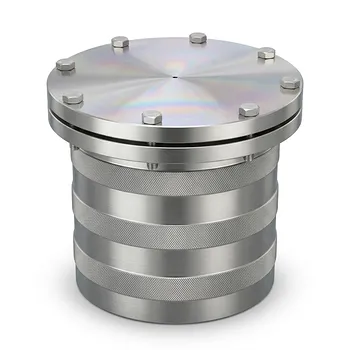
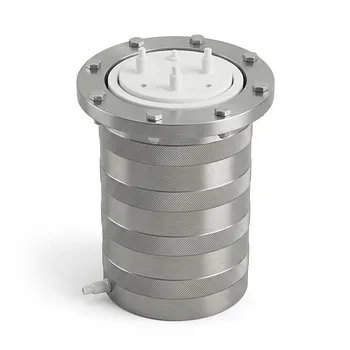
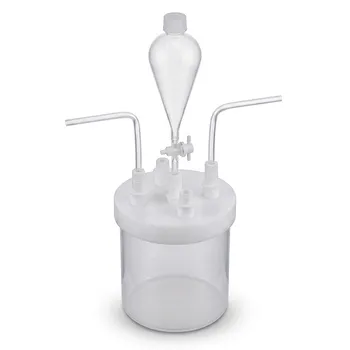
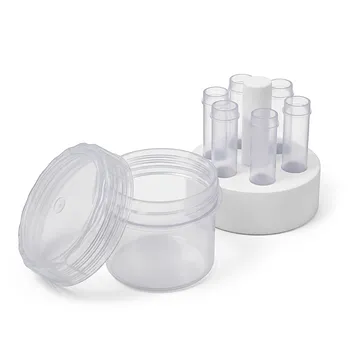
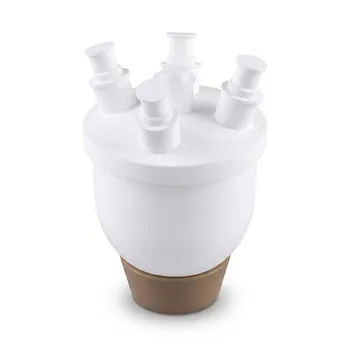
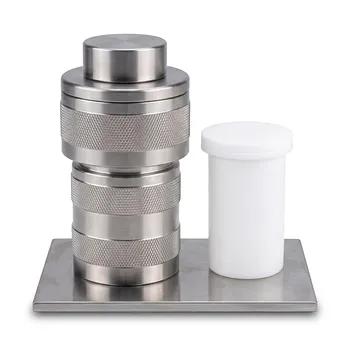
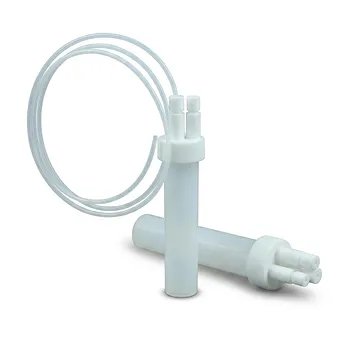
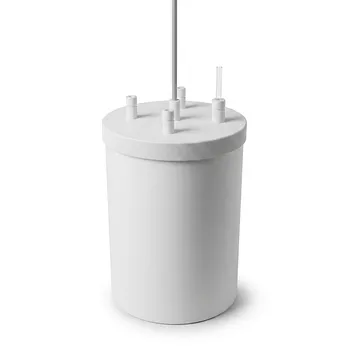
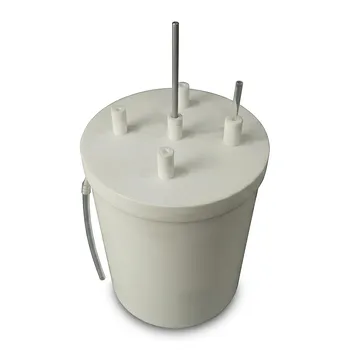
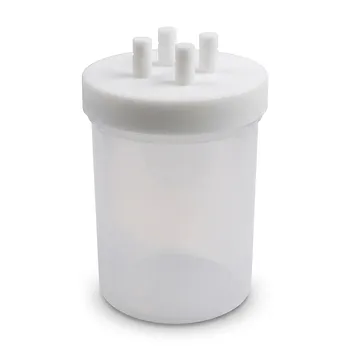
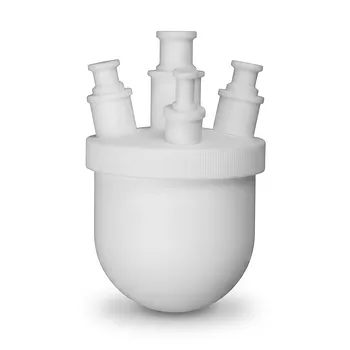
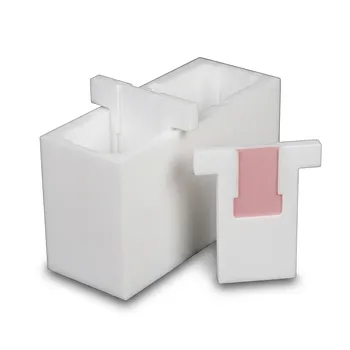
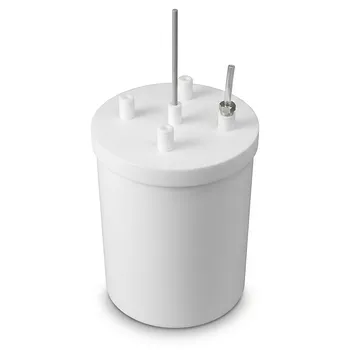
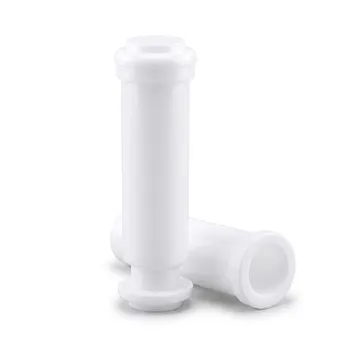
High-pressure thick-walled reaction vessels are mandatory for microwave-assisted xylose dehydration because they safely contain the intense internal pressure generated by solvents heated far beyond their atmospheric boiling points. These specialized vessels provide the necessary mechanical strength to prevent structural failure while ensuring chemical inertness against the aggressive acid catalysts and high temperatures (typically 140°C to 205°C) required to convert xylose into furfural.
The central requirement for these vessels stems from the need to maintain a high-temperature, liquid-phase environment that accelerates reaction kinetics while protecting the operator and equipment from high-pressure vapor expansion and chemical corrosion.
Managing Extreme Internal Pressures
Withstanding Vapor Pressure and Expansion
During microwave heating, organic solvents and water vaporize rapidly, creating significant internal force. Thick-walled vessels are engineered to withstand these stresses, ensuring the system remains hermetically sealed even as temperatures reach 170°C or higher.
Maintaining the Liquid Phase
To effectively dehydrate xylose, the reaction mixture must often reach temperatures well above the normal boiling point of the solvent (such as ethanol or water). High-pressure containment keeps these low-boiling point reagents in a liquid state, allowing the chemical transformation to occur efficiently without the reactants escaping as gas.
Preventing Volatile Loss
In a closed, high-pressure system, volatile intermediate products and reagents are preserved within the reaction environment. This leads to higher recovery rates and more accurate experimental data, as no material is lost to the atmosphere during the heating cycle.
Material Integrity and Energy Transfer
Resistance to Acidic Corrosion
Xylose dehydration experiments frequently utilize strong acid catalysts which can be highly corrosive at elevated temperatures. Vessels made from high-performance fluoropolymers (like PTFE or PFA) or high-strength borosilicate glass are chemically inert, preventing the leaching of impurities and ensuring the vessel does not degrade.
Ensuring Microwave Transparency
For the microwave energy to reach the reactants, the vessel material must be microwave-transparent. Specialized polymers and glass allow energy to penetrate the walls efficiently, ensuring that heat is generated directly within the reaction mixture rather than heating the container itself.
Uniform Heating and Mass Transfer
High-pressure vessels are often equipped with precision sealing and magnetic stirring bars to facilitate uniform heat distribution. This prevents localized "hot spots" that could lead to the carbonization of furfural, a common byproduct that can degrade the quality of the results.
Understanding the Trade-offs
The Risk of Mechanical Failure
While these vessels are designed for high pressure, exceeding their rated limits—either through overfilling or excessive temperature—can lead to catastrophic decompression. Operators must strictly adhere to the volume and temperature constraints specified by the manufacturer to maintain a safe laboratory environment.
Potential for Localized Overheating
Even with microwave-transparent materials, the lack of adequate stirring in a thick-walled vessel can lead to thermal gradients. If the core of the reaction mixture becomes significantly hotter than the periphery, it may cause unintended side reactions or charring of the xylose derivatives.
Material Limitations at Ultra-High Temperatures
While fluoropolymers like PTFE are excellent for many applications, they have specific thermal ceilings (often around 260°C to 280°C). Attempting to push xylose dehydration into ultra-high temperature ranges may require specialized ceramic or high-purity glass liners to prevent the deformation of plastic components.
How to Apply This to Your Project
Recommendations for Vessel Selection
- If your primary focus is operational safety: Always select vessels with a pressure rating that exceeds your calculated vapor pressure by at least 25%.
- If your primary focus is preventing contamination: Utilize PTFE or PFA-lined vessels to ensure maximum chemical inertness against strong acid catalysts.
- If your primary focus is high-yield furfural production: Ensure your vessel is compatible with high-speed magnetic stirring to prevent localized carbonization and ensure uniform energy distribution.
By utilizing high-pressure, thick-walled vessels, you transform a potentially volatile thermal process into a controlled, efficient, and safe environment for advanced carbohydrate chemistry.
Summary Table:
| Key Feature | Primary Function | Advantage for Xylose Dehydration |
|---|---|---|
| High Pressure Rating | Contains vapor expansion | Maintains liquid phase at temperatures up to 205°C |
| Thick-Walled Design | Mechanical strength | Prevents structural failure and catastrophic decompression |
| Fluoropolymer Construction | Chemical inertness | Resists aggressive acid catalysts (PTFE/PFA) |
| Microwave Transparency | Energy penetration | Ensures rapid, uniform heating directly within the mixture |
| Precision Sealing | Hermetic containment | Prevents loss of volatile reagents and intermediate products |
Elevate Your Lab's Safety and Performance with KINTEK
Whether you are performing complex microwave-assisted xylose dehydration or routine chemical synthesis, KINTEK provides the high-performance fluoropolymer solutions you need. Our specialized microwave digestion vessels and hydrothermal synthesis liners are engineered to withstand the extreme pressures and corrosive environments of advanced carbohydrate chemistry.
From everyday basics like PFA beakers, digestion tubes, and stirring bars to comprehensive fluid transfer components (tubing, valves, fittings) and sample prep tools, KINTEK manufactures virtually every laboratory supply imaginable from premium PTFE and PFA. Backed by end-to-end custom CNC fabrication, we deliver everything from high-volume standard consumables to bespoke, non-standard machined parts and complex laboratory setups.
Ready to optimize your reaction environment with high-performance materials? Contact us today to discuss your custom laboratory needs!
References
- Dominik Soukup-Carne, Jesús Esteban. Dehydration of xylose to furfural in a biphasic system: catalyst selection and kinetic modelling discrimination. DOI: 10.1039/d4re00572d
This article is also based on technical information from Kintek Knowledge Base .
Related Products
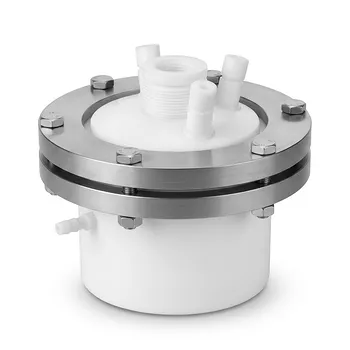
- Custom TFM Reaction Vessel with Stainless Steel Jacket and PTFE Inner Cup for High Corrosion Resistance
- High Pressure Custom TFM Reactor Stainless Steel Outer Vessel PTFE Inner Cup for Corrosive Synthesis
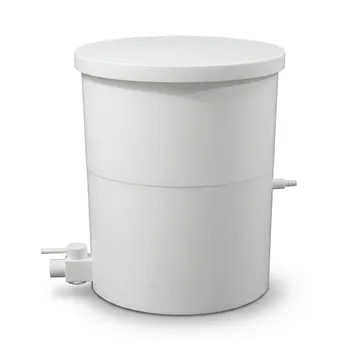
- High Purity PFA Reaction Vessel for Biopharmaceutical Synthesis and Corrosive Chemical Fluid Handling with Customizable Tube Fittings
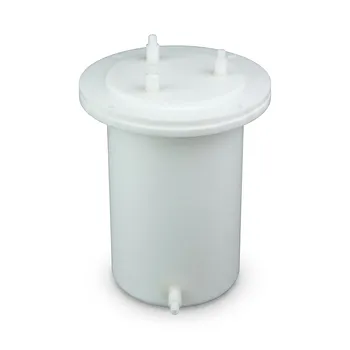
- High Purity Corrosion Resistant PFA Reaction Vessel with PTFE Holder and Integrated Sampling Tube for Trace Analysis
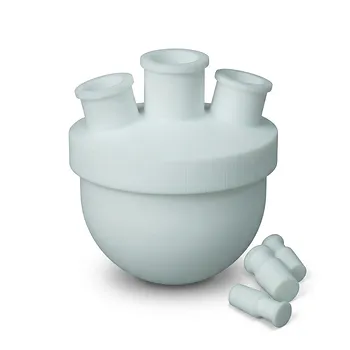
- High Performance Customizable PTFE Reaction Vessel and Corrosion Resistant Polytetrafluoroethylene Flask for Chemical Laboratory Use
People Also Ask
- Why are high-performance pressure-resistant reaction vessels required for oxygen-assisted hydrothermal conversion at 150 °C?
- Why are PTFE-lined reaction vessels necessary for forced degradation studies? Ensure high-purity results and accuracy.
- How do magnetic stirring and reaction vessels impact MOF-derived carbon quality? Optimize Your Composite Performance
- Why are high-quality fluoropolymer-lined reaction vessels required for alk-Ti3C2Tx MXene? Ensure Purity & HF Resistance
- Why is a high-purity PTFE lined reaction vessel required for the acidic etching of MXenes? Ensure Material Purity.