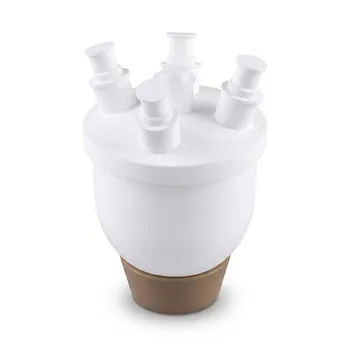
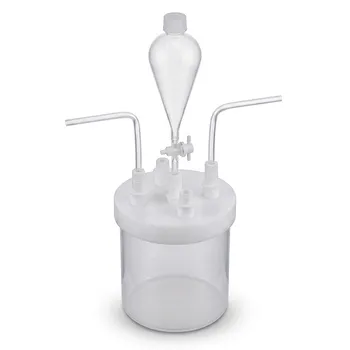
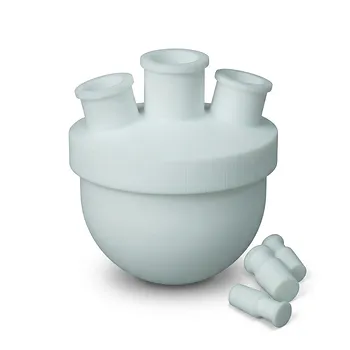
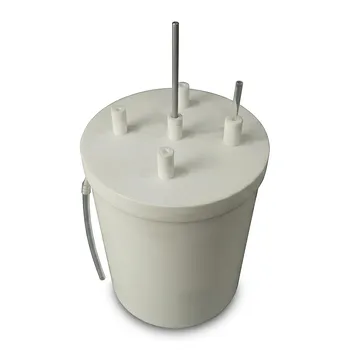
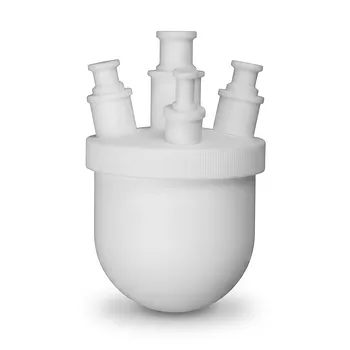
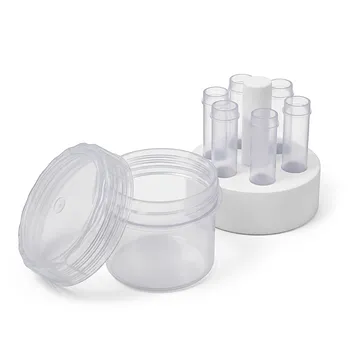
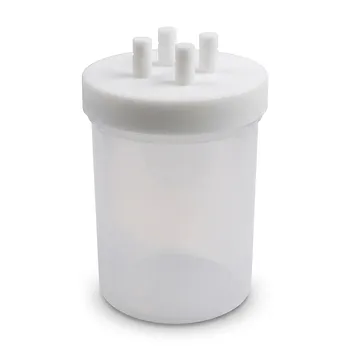
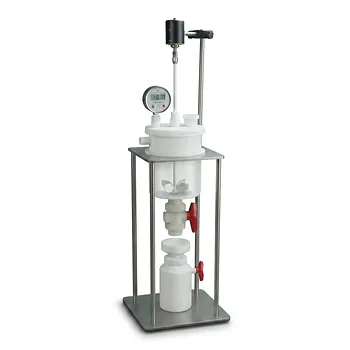
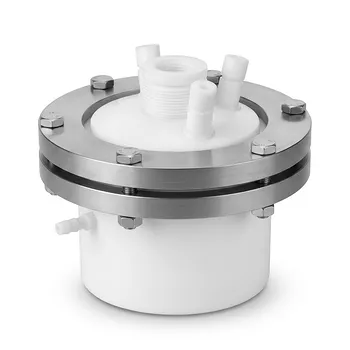
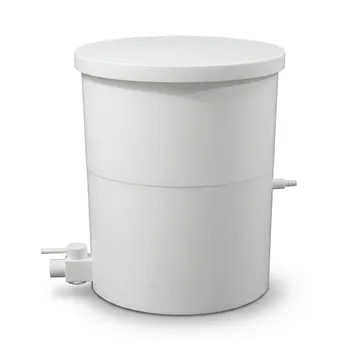
High-performance hydrothermal reaction vessels are the critical hardware required to facilitate high-temperature selenization for NiSe nanosphere synthesis. Between 140°C and 180°C, these vessels create a stable, high-pressure environment that allows selenium atoms to effectively penetrate the NiO precursor's crystal lattice. This rigorous control over the thermal field and internal pressure is what ensures the resulting nanospheres achieve complete morphology and high crystallinity.
Core Takeaway: To synthesize NiSe nanospheres, a reaction vessel must provide a uniform thermal environment and stable autogenous pressure to drive the incorporation of selenium into nickel-based precursors. Without this high-performance containment, the chemical kinetics required for high crystallinity and structural integrity cannot be maintained.
The Role of Controlled Thermal and Pressure Environments
Driving the Selenization Process
The synthesis of NiSe nanospheres relies on a high-temperature selenization process typically occurring between 140°C and 180°C. High-performance vessels maintain a uniform thermal field, which is essential for consistent reaction kinetics across the entire solution.
Facilitating Atomic Incorporation
A stable, high-pressure environment is necessary to force the reaction between selenium powder and NiO precursors. This pressure ensures that selenium atoms are effectively incorporated into the crystal lattice, allowing the NiSe structure to form properly.
Achieving Morphological Precision
The pressure generated within these sealed systems facilitates directional crystal growth. This controlled environment is what transforms precursors into nanospheres with complete morphology rather than irregular or amorphous aggregates.
Material Requirements for Vessel Liners
Chemical Inertness and Purity
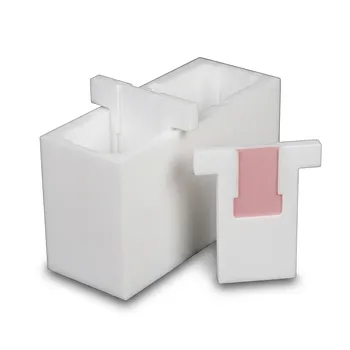
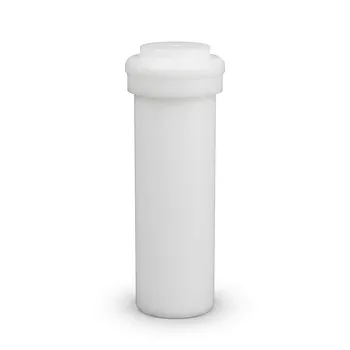
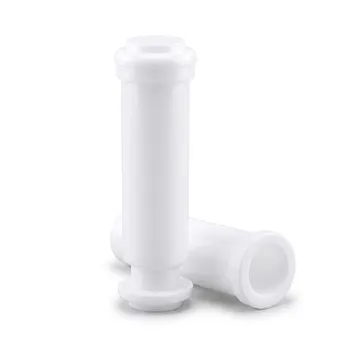
Reaction vessel liners are typically constructed from high-purity PTFE or PFA. These materials are chemically inert, preventing side reactions between the metal ions and the vessel walls that could compromise the purity of the NiSe nanospheres.
Managing Solvent-Thermal Stress
The liners must possess high compressive strength and thermal stability to withstand the autogenous pressure of solvents like 1,4-butanediol. They act as the direct carrier of the reaction liquid, protecting the outer metal shell from the corrosive nature of the precursors.
Non-Stick Properties for Product Recovery
High-quality liners feature excellent non-stick characteristics. This facilitates the total recovery of the synthesized nanospheres and ensures the liner can be cleaned thoroughly, preventing cross-contamination in future experiments.
Understanding the Trade-offs and Risks
Temperature and Pressure Limitations
While PTFE liners are highly resilient, they have specific thermal thresholds (typically around 250°C). Exceeding these limits can lead to material deformation, which compromises the seal and risks a dangerous loss of pressure.
The Risk of Pressure Failure
Because these reactions occur under sealed conditions, the internal pressure from water vapor or organic solvents can exceed atmospheric levels significantly. Using low-quality or damaged vessels can lead to explosive decompression, posing a significant safety hazard in the laboratory.
Material Memory and Contamination
Over time, liners can develop microscopic pits or "memory" from previous reactions. If not replaced or maintained, these imperfections can act as nucleation sites, leading to inconsistent nanosphere sizes or unwanted impurities in the crystal lattice.
How to Select a Vessel for NiSe Synthesis
Choosing the right hardware depends on your specific experimental parameters and safety requirements.
- If your primary focus is High Crystallinity: Select a vessel with a thick stainless steel outer shell to ensure the most stable and uniform thermal field during the 140°C–180°C reaction window.
- If your primary focus is Product Purity: Invest in high-purity PFA liners, which offer superior chemical resistance and lower trace-metal leaching compared to standard PTFE.
- If your primary focus is High-Throughput Screening: Consider microwave-permeable reaction vessels, provided they are rated for the high pressures required for solvothermal selenization.
The synthesis of high-quality NiSe nanospheres is ultimately a balance of precise chemical precursors and the specialized hardware capable of containing the energy required to bind them.
Summary Table:
| Parameter | Importance for NiSe Synthesis | Vessel Feature |
|---|---|---|
| Pressure | Drives Se atoms into crystal lattice | Stable autogenous containment |
| Thermal Field | Ensures uniform reaction kinetics | High-performance outer shell |
| Chemical Purity | Prevents contamination/side reactions | High-purity PTFE/PFA liners |
| Morphology | Achieves precise nanosphere shape | Controlled solvothermal environment |
Enhance your research precision with KINTEK, your premier partner for high-performance fluoropolymer laboratory solutions. We specialize in manufacturing high-purity PTFE and PFA hydrothermal synthesis liners, reaction vessels, and microwave digestion tools specifically designed for rigorous applications like NiSe nanosphere synthesis. From everyday labware like beakers, crucibles, and reagent bottles to advanced custom-machined reactors and fluid transfer components, our end-to-end CNC fabrication ensures we meet your most complex requirements. Contact our experts today to secure high-quality, bespoke laboratory supplies for your next breakthrough!
References
- Shanshan Li, Zhiqiang Zhang. A Core–Shell Pt–NiSe@NiFe-LDH Heterostructure for Bifunctional Alkaline Water Splitting. DOI: 10.3390/molecules30234654
This article is also based on technical information from Kintek Knowledge Base .
Related Products
- PTFE Lined High Pressure Digestion Vessel 50ml High Temperature Hydrothermal Synthesis Tank
- High Performance Customizable PTFE Reaction Vessel and Corrosion Resistant Polytetrafluoroethylene Flask for Chemical Laboratory Use
- High Purity PFA Reaction Vessel for Biopharmaceutical Synthesis and Corrosive Chemical Fluid Handling with Customizable Tube Fittings
- Custom TFM Reaction Vessel with Stainless Steel Jacket and PTFE Inner Cup for High Corrosion Resistance
- High Temperature PTFE Reaction Flask 1000ml Single Neck Round and Flat Bottom Laboratory Bottle
People Also Ask
- What are the benefits of using a PTFE-lined vessel for carbon-sulfur cathode treatment? Maximize Purity & Performance
- Why are PTFE-lined pressure digestion vessels required for the preparation of Ag/CeO2 catalysts? Purity & Performance
- What safety features are typically incorporated into high-pressure PTFE digestion vessel designs? Ensure Lab Safety
- What is the function of PTFE lined high-pressure vessels in g-C3N4 synthesis? Achieve High-Purity Material Growth
- Role of High-Pressure Digestion Tanks in Perovskite Synthesis: Achieve Superior Stability and Latent Heat