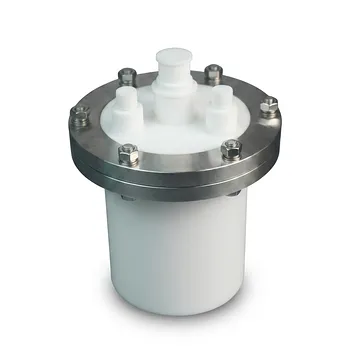
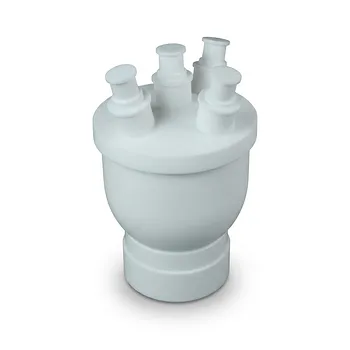
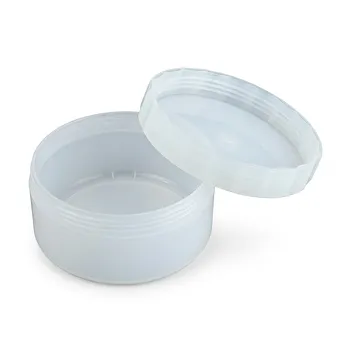
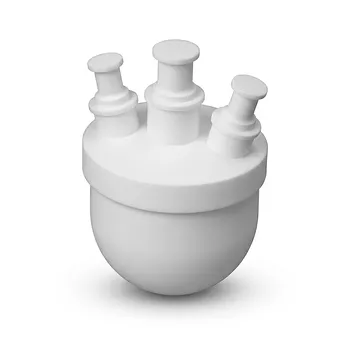
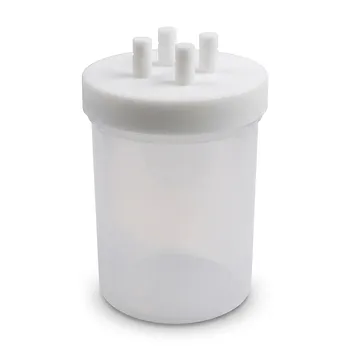
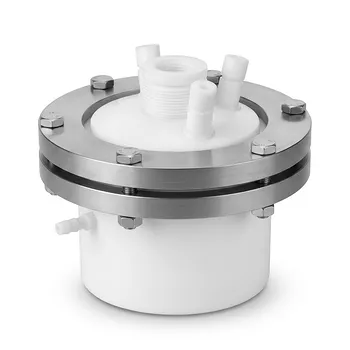
High-purity fluoropolymer reaction vessels are essential for 4-SBD synthesis because they provide the necessary inertness to withstand 48% fluoroboric acid. This extreme chemical resistance prevents vessel degradation and stops the leaching of impurities that would otherwise contaminate the precursor salt. Ultimately, this material choice ensures the integrity of the salt for sensitive downstream applications, such as graphene functionalization.
The use of PFA or PTFE vessels is a non-negotiable requirement to maintain the chemical purity of 4-SBD by eliminating potential contamination from vessel degradation. This choice ensures that the resulting precursor salt is free of impurities that could interfere with subsequent nanomaterial functionalization or kinetic assessments.
The Corrosive Nature of the Reagents
Handling Fluoroboric Acid and Sodium Nitrite
The synthesis of 4-sulfobenzenediazonium tetrafluoroborate (4-SBD) requires the use of 48% concentrated fluoroboric acid combined with sodium nitrite. These reagents are highly corrosive and can rapidly attack standard laboratory materials like glass or low-grade plastics.
The Risk of Chemical Etching
Strong acids used in the diazotization process can chemically etch the surface of the reaction vessel. If the vessel material is not sufficiently resistant, it will degrade over time, compromising the structural integrity of the container and potentially leading to leaks.
Preventing Contamination and Leaching
Eliminating Impurity Migration
High-purity Perfluoroalkoxy (PFA) and Polytetrafluoroethylene (PTFE) are used because they do not leach impurities into the solution. Under strong acidic conditions, lesser materials may release metal ions or organic molecules that contaminate the 4-SBD salt.
Impact on Graphene Functionalization
The purity of the 4-SBD precursor is critical because it is often used in the functionalization of graphene. Even trace amounts of contaminants from the reaction vessel can interfere with the chemical bonding process or alter the electronic properties of the resulting graphene.
Maintaining Kinetic Integrity
Eliminating Secondary Wall Reactions
Using inert fluoropolymers ensures that the reaction components do not undergo secondary reactions with the vessel walls. This is particularly vital in flow reactors or steady-state operations where wall-catalyzed side reactions could skew results.
Ensuring Accurate Kinetic Data
By removing the vessel material as a variable, researchers can achieve a more accurate assessment of process conversion efficiency. This allows for the precise capture of chemical kinetic data without interference from the container's surface chemistry.
Understanding the Trade-offs
Mechanical and Thermal Limitations
While PFA and PTFE offer superior chemical resistance, they have lower mechanical strength than glass or stainless steel. They are also prone to "cold flow" or deformation under high pressure and have specific temperature limits that must be monitored.
Cost and Transparency
Fluoropolymer vessels are significantly more expensive than standard borosilicate glassware. Additionally, PFA is only translucent rather than transparent, and PTFE is opaque, which can make visual monitoring of the reaction more challenging for the operator.
How to Apply This to Your Project
When selecting a reaction vessel for diazotization or similar corrosive processes, prioritize the material based on your final application requirements.
- If your primary focus is graphene functionalization: Use PFA or PTFE exclusively to prevent metal ion leaching that could poison the graphene surface.
- If your primary focus is kinetic data collection: Opt for high-purity fluoropolymers to ensure that no secondary wall reactions interfere with your rate calculations.
- If your primary focus is long-term etching processes: Ensure the vessel is rated for extended contact with concentrated acids to prevent container failure.
Choosing the right fluoropolymer vessel is the foundation for ensuring both the safety of the laboratory environment and the high purity of the synthesized chemical products.
Summary Table:
| Feature | Requirement in 4-SBD Synthesis | Benefit to Research |
|---|---|---|
| Material Choice | High-purity PFA or PTFE | Resistance to 48% fluoroboric acid |
| Contamination | Zero-leaching surfaces | Protects graphene functionalization integrity |
| Reaction Kinetics | Inert vessel walls | Accurate data without secondary wall reactions |
| Durability | High chemical etching resistance | Prevents vessel degradation and leakage |
Elevate Your Synthesis Precision with KINTEK
Ensure the integrity of your most sensitive chemical processes with KINTEK’s high-performance fluoropolymer solutions. We specialize in providing the absolute chemical inertness required for 4-SBD synthesis and advanced nanomaterial research.
From everyday basic labware like beakers, crucibles, and reagent bottles to specialized sample prep tools, filtration components, and fluid transfer systems (tubing/valves), KINTEK manufactures virtually every laboratory supply you need from high-purity PTFE and PFA. For complex research, we offer advanced derivative apparatus including custom electrochemical cells, battery testing fixtures, and microwave digestion vessels, all backed by our end-to-end custom CNC fabrication.
Don't let vessel leaching compromise your kinetic data or graphene functionalization. Contact KINTEK today for bespoke laboratory setups and high-volume orders tailored to your exact specifications.
References
- Weizhe Zhang, Grégory F. Schneider. Sulfophenylated centimeter-sized graphene membrane in a direct methanol fuel cell. DOI: 10.1038/s41467-025-65507-3
This article is also based on technical information from Kintek Knowledge Base .
Related Products
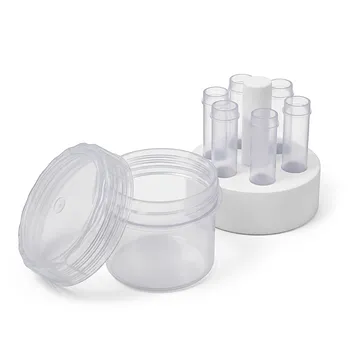
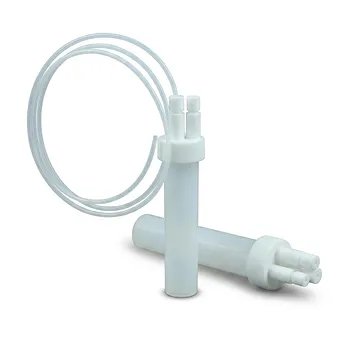
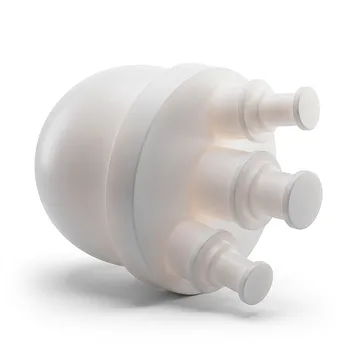
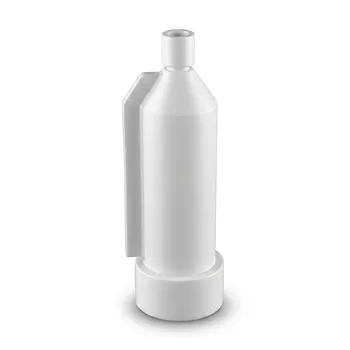
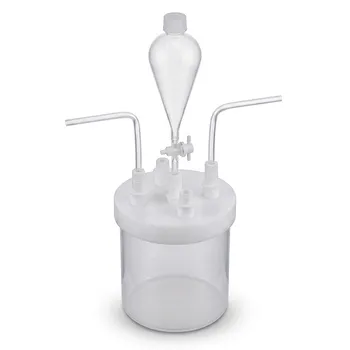
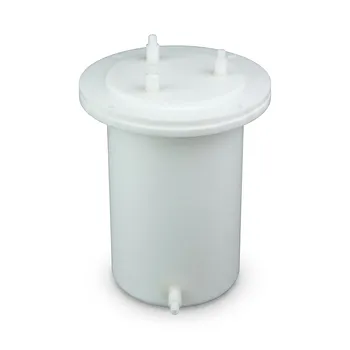
- High Purity Corrosion Resistant PFA Reaction Vessel with PTFE Holder and Integrated Sampling Tube for Trace Analysis
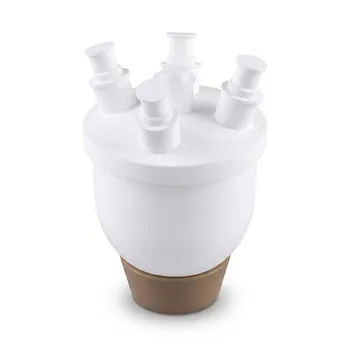
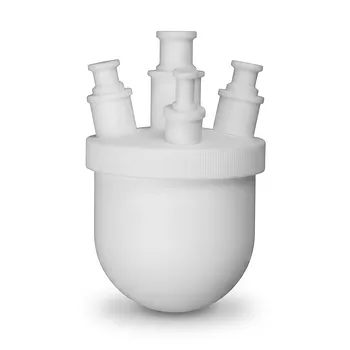
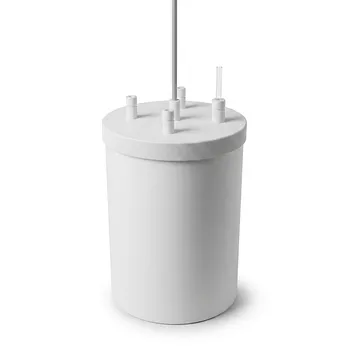
- High Performance Customizable PTFE Reaction Vessel and Corrosion Resistant Polytetrafluoroethylene Flask for Chemical Laboratory Use
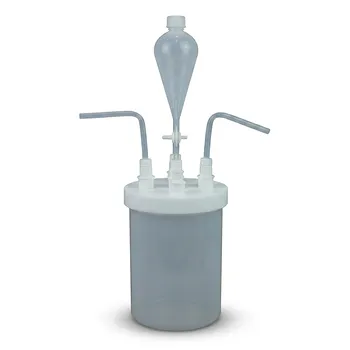
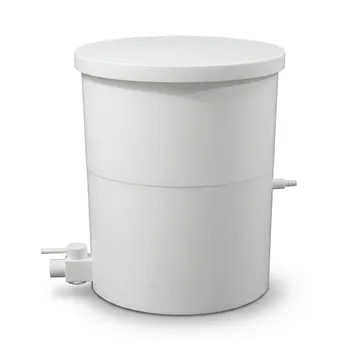
- Custom PFA Reaction Bottles High Purity PTFE Reaction Vessels Corrosion Resistant Petrochemical Containers
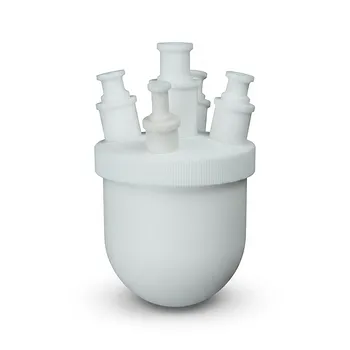
- Corrosion Resistant PFA Translucent Reaction Bottle with PTFE Screw Cap and Standard 19 24 Ground Joint Neck for High Temperature Lab Applications
- High Purity Custom PTFE Large Volume 15L Flask Corrosion Resistant Low Trace Background Fluoropolymer Reaction Vessel
People Also Ask
- Why is the choice of reaction vessel material critical during B-NiBDC synthesis? Optimize MOF Purity & Performance
- How do the material choice and sealing integrity of the reaction vessel affect the growth of NiFe-LDH? Optimize Synthesis
- Why are well-sealed reaction vessels necessary for superacid-promoted Friedel-Crafts polycondensation? Optimize Synthesis
- Role of reaction vessels in alkali treatment for oil palm waste: Achieve High-Purity Cellulose with PTFE Vessels
- What is the role of high chemical inertness reaction vessels in the organic synthesis of acylhydrazone ligands? | Guide