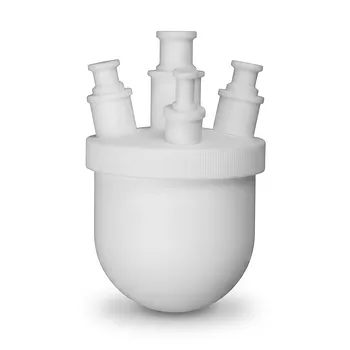
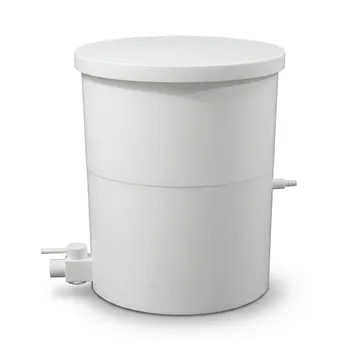
Corrosion-resistant etching vessels are critical because they safely contain the aggressive chemical reagents required to dissolve structural templates without degrading. During the synthesis of hierarchical porous carbon, templates such as silica, iron oxides, or magnesium oxides must be removed using concentrated acids (like HCl or HF) or strong bases. These specialized components prevent container degradation, ensuring the chemical etching process successfully defines the final pore network and maintains the purity of the carbon material.
The necessity of corrosion-resistant components stems from the extreme chemical environments required to etch away structural templates. These durable materials ensure sample purity and the integrity of the hierarchical pore network, which is vital for efficient ion transport and high electrochemical performance.
The Role of Aggressive Chemical Etchants
Dissolving Hard Templates
The synthesis of hierarchical porous carbon relies on "hard" templates like silica or metal oxides to create specific shapes and structures. Removing these templates requires reagents that are chemically aggressive enough to dissolve inorganic matter while leaving the carbon framework intact.
Defining the Pore Network
The etching process is responsible for creating the macro-mesopore network that characterizes hierarchical carbon. If the vessel cannot withstand the etchant, the concentration or temperature of the reagent may fluctuate, leading to incomplete template removal and a poorly defined pore structure.
Improving Ion Transport Efficiency
Thorough removal of template particles is essential for creating clear channels for ion transport. Properly etched hierarchical pores allow for rapid charge-discharge cycles in applications like supercapacitors or batteries by reducing resistance within the material.
Preventing Contamination and Ensuring Material Purity
Avoiding Metallic Ion Leaching
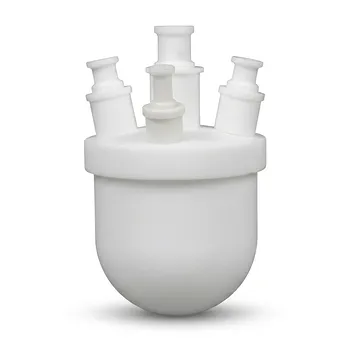
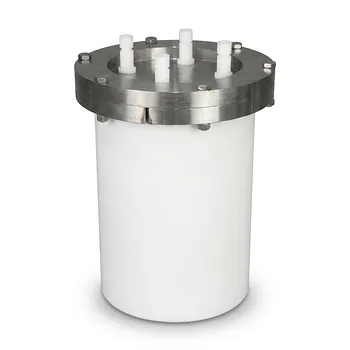
Standard glass or low-grade plastic containers can leach metallic ions when exposed to concentrated Hydrochloric Acid (HCl) or Hydrofluoric Acid (HF). Using fluoropolymers like PTFE (Teflon) or PFA prevents these impurities from entering the carbon matrix, which could otherwise interfere with its electrical properties.
Protecting Surface Functional Groups
In advanced carbon materials, the chemistry of the surface is just as important as the pores. Corrosion-resistant vessels ensure that no unintended chemical reactions occur between the container and the etchant, preserving the surface functional groups and nitrogen-doped active sites necessary for catalysis.
Maintaining Fluorescence and Conductivity
For specialized materials like Carbon Quantum Dots, even trace amounts of leached metal can quench fluorescence or alter electronic behavior. Using PFA or PTFE liners and pipettes ensures that the high specific surface area of the final product remains chemically "clean."
Understanding the Trade-offs
Material Limitations and Selection
While fluoropolymers like PTFE offer near-total chemical resistance, they have lower thermal stability compared to specialized ceramics. Researchers must balance the need for chemical inertness with the temperature requirements of the etching process.
Operational Safety Risks
Using non-resistant materials for etching is not just a quality issue; it is a significant safety hazard. Concentrated acids, particularly HF, can compromise the structural integrity of standard laboratory glassware almost instantly, leading to dangerous leaks and toxic exposure.
Cost vs. Longevity
Corrosion-resistant labware often carries a higher upfront cost than standard borosilicate glass. However, the longevity and reliability of these components in harsh environments make them more cost-effective over multiple synthesis cycles by preventing sample loss and equipment failure.
Making the Right Choice for Your Synthesis Goal
Before selecting your etching vessels, identify the specific chemical requirements of your template removal process.
- If your primary focus is Silica Removal: Use PTFE or PFA vessels specifically, as Hydrofluoric Acid (HF) will rapidly dissolve standard laboratory glassware.
- If your primary focus is Metal Oxide Removal: Ensure your containers are rated for high-concentration Hydrochloric Acid (HCl) to prevent metallic leaching that could poison catalytic active sites.
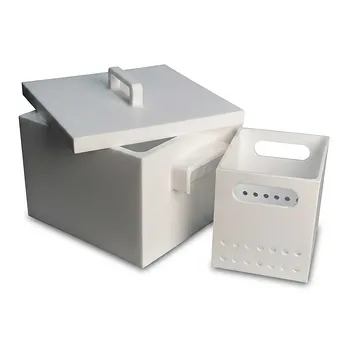
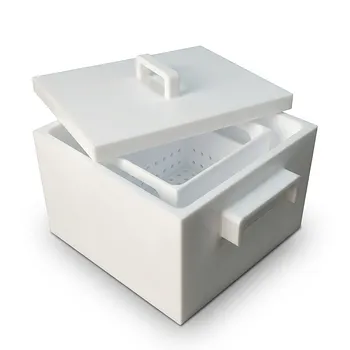
- If your primary focus is Biomass-Derived Carbon: Utilize acid-resistant cleaning tanks to handle the high volumes of acid required to strip away the complex mineral content found in biological templates.
- If your primary focus is Purity in Carbon Quantum Dots: Invest in low-leaching PFA components to ensure that trace metal impurities do not quench the material’s optical properties.
Selecting the appropriate corrosion-resistant components is the foundation of producing high-performance, high-purity hierarchical carbon materials.
Summary Table:
| Template Material | Common Etchants | Primary Requirement | Recommended Labware Material |
|---|---|---|---|
| Silica (SiO2) | Hydrofluoric Acid (HF) | Absolute Glass-Free Environment | PFA / PTFE Vessels |
| Metal Oxides | HCl, HNO3 | Prevention of Metallic Ion Leaching | High-Purity Fluoropolymers |
| Biomass Minerals | Concentrated Acids/Bases | Bulk Chemical Resistance | PTFE-Lined Cleaning Tanks |
| Carbon Quantum Dots | Various Etchants | Trace Metal Purity (No Quenching) | Ultra-Clean PFA Components |
Elevate Your Carbon Synthesis with KINTEK’s High-Performance Fluoropolymer Solutions
Precision in hierarchical porous carbon synthesis starts with uncompromising material purity. KINTEK specializes in manufacturing an extensive range of laboratory supplies crafted exclusively from high-grade PTFE and PFA, ensuring your etching processes remain free from metallic leaching and chemical degradation.
Our comprehensive product lineup includes:
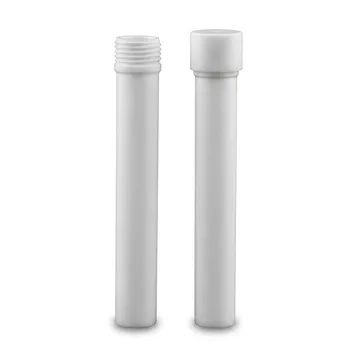
- Core Labware: Beakers, measuring cylinders, crucibles, reagent/wash bottles, and digestion tubes.
- Precision Fluid Handling: High-purity tubing, fittings, valves, and pipettes.
- Specialized Tools: Separatory funnels, filters, tweezers, spatulas, and O-rings.
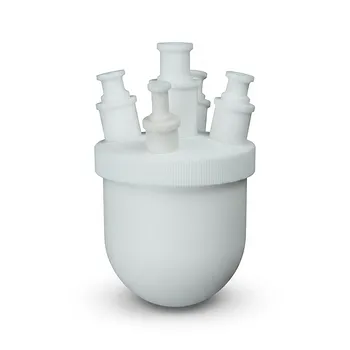
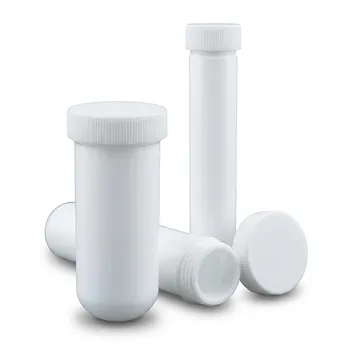
- Advanced Apparatus: Custom electrochemical cells, battery testing fixtures, and hydrothermal synthesis liners.
Whether you need standard consumables or bespoke CNC-machined parts for complex laboratory setups, KINTEK provides the high-volume capacity and custom engineering required for your most demanding applications. Protect your material integrity and ensure superior electrochemical performance today.
Contact KINTEK for Custom Labware Solutions
References
- Perseverance Dzikunu, Pedro Vilaça. Waste-to-carbon-based supercapacitors for renewable energy storage: progress and future perspectives. DOI: 10.1007/s40243-024-00285-4
This article is also based on technical information from Kintek Knowledge Base .
Related Products
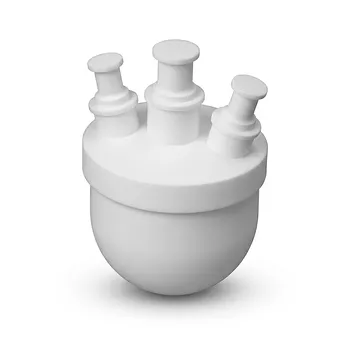
- Custom PTFE Flask Large Volume 18L Corrosion Resistant Low Background High Purity Chemical Vessel
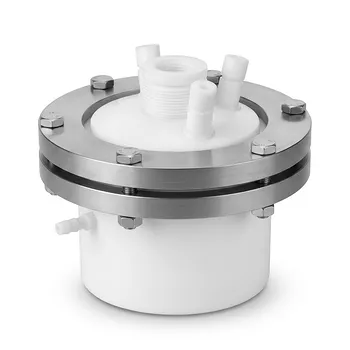
- Custom PTFE Reaction Apparatus Flange Sealed Corrosion Resistant Jacketed Vessel with Stirring Bar and Thermometer Ports
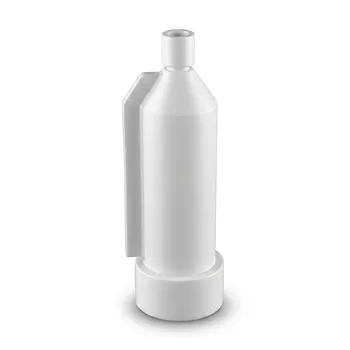
- High Purity PTFE Corrosion Resistant Reaction Vessel with Luer Fittings and Caps for Trace Analysis
- High Performance Customizable PTFE Reaction Vessel and Corrosion Resistant Polytetrafluoroethylene Flask for Chemical Laboratory Use
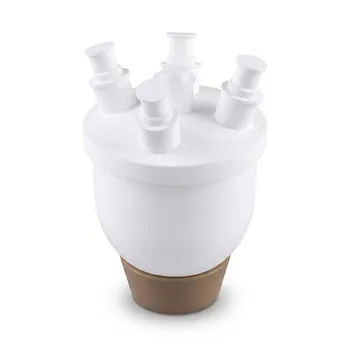
- Custom PTFE Flask 250ml High Purity Fluoropolymer Laboratory Vessel for Chemical Research
People Also Ask
- How do hydrogen-containing and halogenated solvents differ in their ability to cause swelling in PTFE laboratory vessels? Key Differences Explained
- Why do PTFE fluoropolymer laboratory vessels and containers exhibit superior chemical resistance against harsh solvents and corrosive acids compared to standard plastic labware? Discover the molecular secrets
- How do Polytetrafluoroethylene (PTFE) containers perform regarding gas permeation? Expert Insights on Solvent Absorption
- What are the key steps for structural integrity in molded PTFE lab reaction vessels? Master fine powder processing.
- Are PTFE Laboratory Containers and Fluid Fittings Resistant to All Chemical Solvents? Discover Key Exceptions and Safe Handling Tips