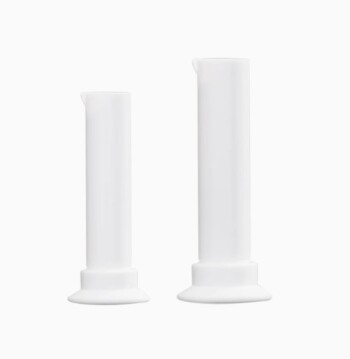
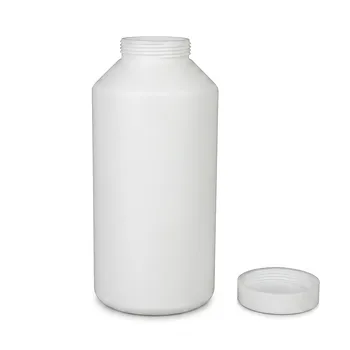
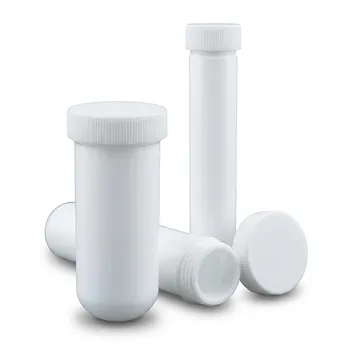
Chemically resistant laboratory containers are essential for the post-treatment of iron oxide nanoparticles because they prevent the leaching of impurities into the sample. During post-treatment, nanoparticles are often dispersed in organic solvents like cyclohexane and washed with corrosive agents such as 0.1 M hydrochloric acid (HCl). Without high-purity, resistant labware, these aggressive chemicals can degrade the container material, contaminating the nanoparticles and compromising the integrity of the final product.
The use of chemically inert labware, such as those made from fluoropolymers, ensures that the nanoparticles remain pure for critical characterization. By resisting both organic solvents and acidic corrosion, these containers prevent external contaminants from interfering with the chemical and physical properties of the synthesized materials.
The Dual Threat of Organic Solvents and Acidic Corrosion
Resilience Against Aggressive Chemical Agents
Post-treatment of iron oxide nanoparticles specifically involves exposure to cyclohexane and 0.1 M hydrochloric acid. Standard plastic labware may swell, dissolve, or release polymer additives when in contact with organic solvents.
Preventing Leaching and Sample Contamination
Acidic environments can cause "leaching," where ions from the container walls migrate into the nanoparticle dispersion. For iron oxide nanoparticles, even trace impurities can alter the results of sensitive characterization techniques like X-ray diffraction (XRD) and transmission electron microscopy (TEM).
Mechanical Demands of Centrifugation
Withstanding High Centrifugal Forces
Isolating nanoparticles requires high-speed centrifugation to achieve effective solid-liquid separation. The centrifuge tubes must possess high mechanical strength to withstand these forces without cracking or deforming, especially when containing high-density solvents.
Facilitating Repeated Washing Cycles
To achieve high purity, nanoparticles undergo multiple washing and precipitation cycles using solvents like hexane, ethanol, or acetone. Chemically resistant tubes allow for these repeated cycles without material degradation, ensuring that by-products and residual precursors are thoroughly removed.
Maintaining Material Integrity for Characterization
Ensuring Accurate Analytical Results
The primary goal of using high-performance labware is to protect the chemical purity and stability of the nanoparticles. If the labware introduces foreign ions or organic matter, the resulting data for superparamagnetic properties or shell coating efficiency will be inaccurate.
Fluoropolymers as the Gold Standard
Materials like PFA (perfluoroalkoxy) and PTFE (polytetrafluoroethylene) are recommended because they are nearly universally inert. These materials prevent the interference of impurity ions during the nucleation and growth phases, which is vital for maintaining specific properties like superparamagnetism.
Understanding the Trade-offs and Potential Risks
Material Cost vs. Sample Integrity
High-performance fluoropolymer tubes (PFA/PTFE) are significantly more expensive than standard polypropylene tubes. However, using cheaper materials carries the risk of sample loss due to tube failure or the need to repeat syntheses due to unexpected contamination.
Compatibility Limitations
While fluoropolymers are highly resistant, other plastics have specific limitations. For instance, some tubes may resist acids but fail when exposed to high-boiling point solvents like 1-octadecene, leading to a messy cleanup and potential damage to the centrifuge itself.
How to Apply This to Your Project
When selecting labware for the purification and post-treatment of nanoparticles, consider your specific chemical and mechanical requirements.
- If your primary focus is high-purity characterization (XRD/TEM): Use PFA or PTFE containers to eliminate the risk of leached impurities interfering with your data.
- If your primary focus is high-speed solid-liquid separation: Select high-performance centrifuge tubes rated for the specific G-force required by your protocol to prevent mechanical failure.
- If your primary focus is removing residual precursor salts: Ensure your tubes are resistant to the specific anti-solvents (like ethanol or acetone) used in your washing cycles.
Choosing the correct chemically resistant labware is a fundamental step in ensuring the reliability and reproducibility of your nanoparticle research.
Summary Table:
| Key Requirement | Why It Matters for Nanoparticles |
|---|---|
| Chemical Inertness | Prevents ion leaching from containers into samples during acid washing (HCl). |
| Solvent Resistance | Withstands aggressive organic solvents like cyclohexane, hexane, and acetone. |
| Mechanical Strength | Ensures centrifuge tubes endure high G-forces during solid-liquid separation. |
| Material Purity | Eliminates trace contaminants that interfere with XRD, TEM, and magnetic data. |
Elevate Your Research with KINTEK’s Fluoropolymer Excellence
Don’t compromise your nanoparticle integrity with substandard labware. KINTEK provides the ultimate protection for your samples with our extensive range of high-performance PTFE and PFA laboratory supplies.
From high-purity centrifuge tubes, beakers, and separatory funnels to advanced reaction apparatus and bespoke CNC-machined parts, we offer everything you need to maintain absolute chemical purity. Whether you require everyday consumables like stirring bars and fittings or custom electrochemical cells, KINTEK’s end-to-end fabrication ensures your tools are as precise as your science.
Ensure reproducible results and prevent sample contamination—contact KINTEK today for your custom laboratory solution!
References
- Yuki Makinose. Exploring Monodisperse Condition for Ceramic Nanoparticles Using Hydrothermal Synthesis and Machine Learning. DOI: 10.14356/hptf.22115
This article is also based on technical information from Kintek Knowledge Base .
Related Products
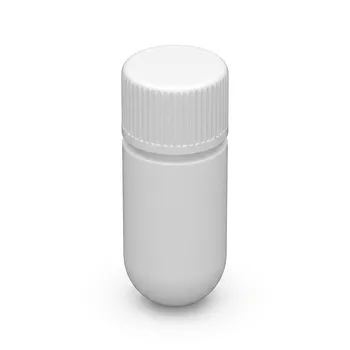
- PTFE Centrifuge Tube 1.5ml U Bottom Corrosion Resistant Screw Seal Custom High Purity Labware
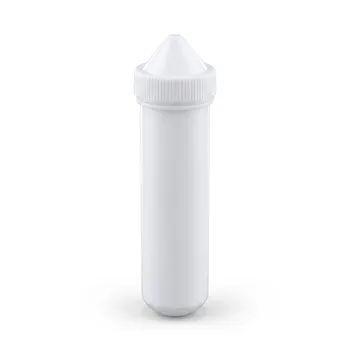
- High Purity PTFE Digestion Tubes and Custom Centrifuge Tubes 100ml for Trace Analysis and Chemical Digestion
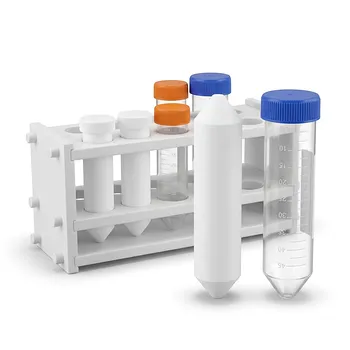
- High Purity PTFE Centrifuge Tubes for Trace Analysis Custom Laboratory Centrifugation Containers with Racks
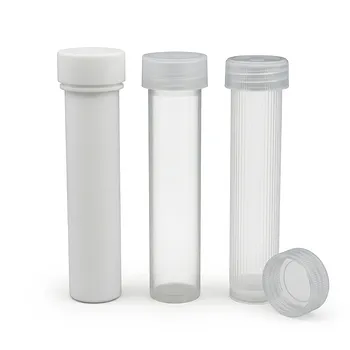
- Industrial High Purity PTFE Digestion Tubes Chemical Resistant Teflon Labware Custom Fabricated Trace Analysis Vessels
- Custom PTFE Test Tubes Corrosion Resistant Low Background Fluoropolymer Labware 50ml 30ml