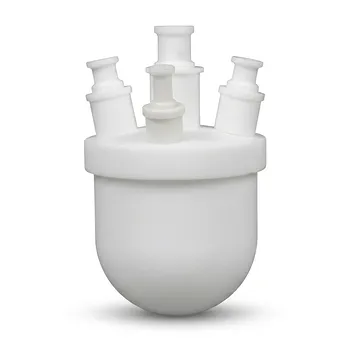
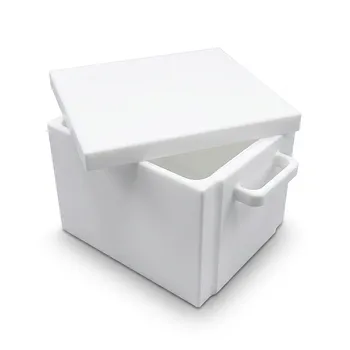
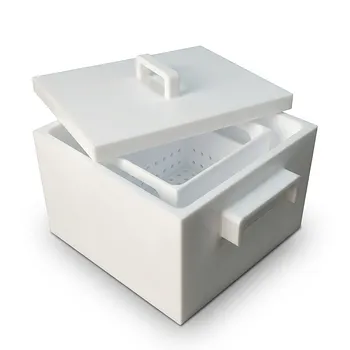
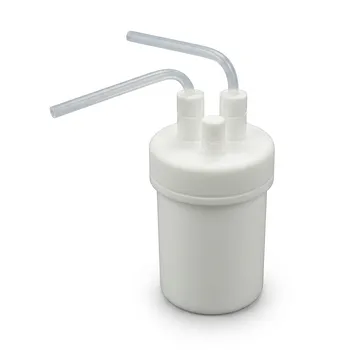
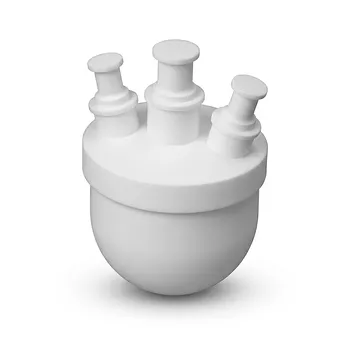
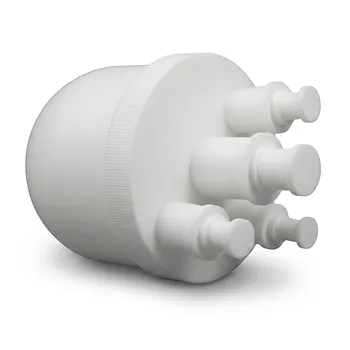
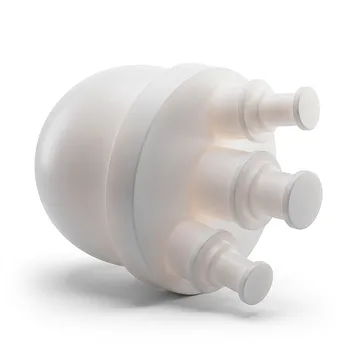
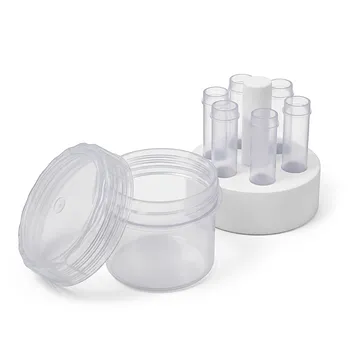
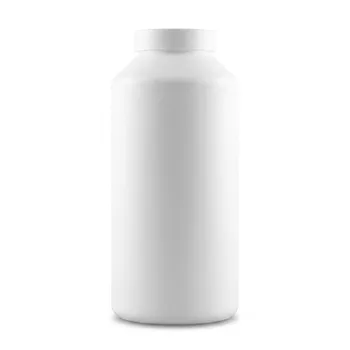
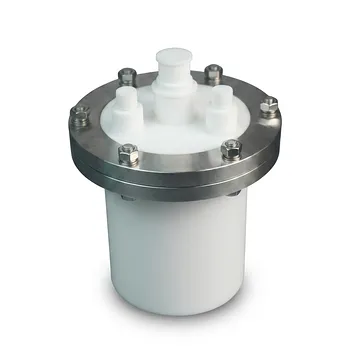
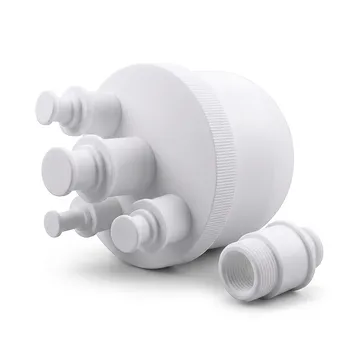
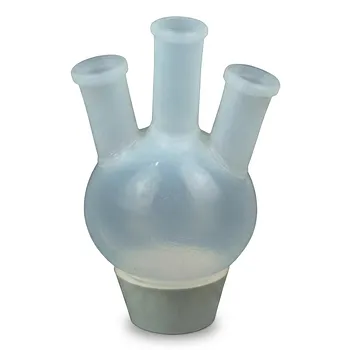
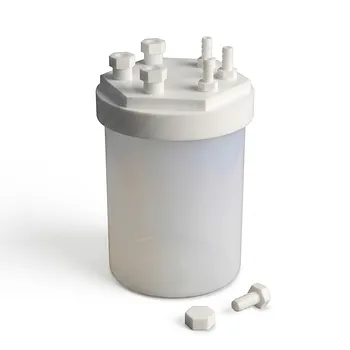
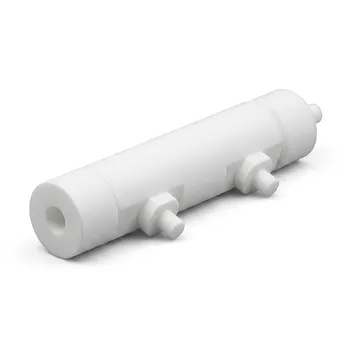
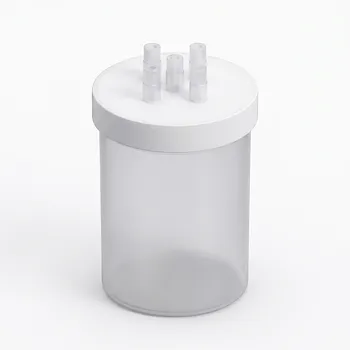
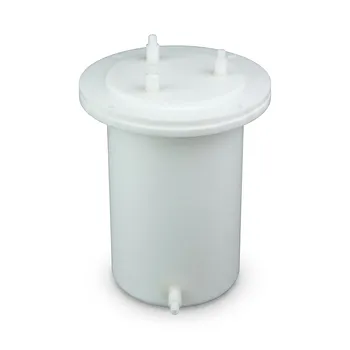
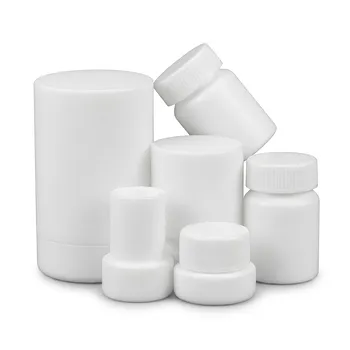
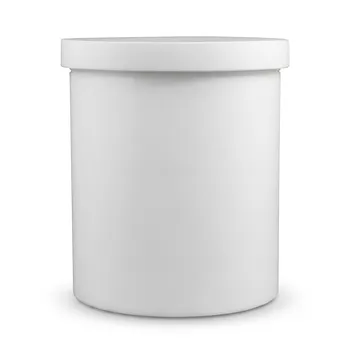
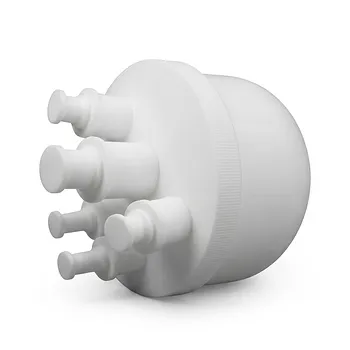
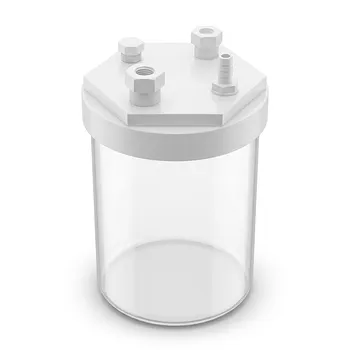
Fluoropolymer-lined vessels function as the critical internal reaction chamber for the hydrothermal synthesis and digestion of biological matrices. These specialized liners, typically made from PTFE (polytetrafluoroethylene) or PFA (perfluoroalkoxy), provide a chemically inert and thermally stable environment that allows for the complete decomposition of complex organic tissues into a homogeneous solution.
The core role of these vessels is to provide a "clean-room" reaction environment that survives extreme heat and pressure. By isolating aggressive reagents and biological samples from the metal autoclave, they prevent contamination and ensure high-accuracy results in downstream analytical applications.
Chemical Resistance and Protection of Hardware
Isolation from Corrosive Reagents
Fluoropolymer liners are designed to withstand long-term exposure to concentrated oxidizing acids, such as nitric, hydrochloric, and sulfuric acids. During hydrothermal digestion, these acids must remain contained at high temperatures to break down cellular structures without the vessel itself degrading.
Protecting the External Autoclave
In hydrothermal synthesis, these liners act as a barrier between the reactive media and the outer metal autoclave. This isolation prevents corrosive damage to the high-strength steel shell, extending the lifespan of the laboratory equipment and preventing the introduction of metal impurities into the sample.
Performance Under High-Pressure Conditions
Managing High Thermal Loads
High-performance fluoropolymers like PTFE and PFA maintain their structural integrity at temperatures reaching 300 °C. This thermal stability is essential for the hydrothermal synthesis of biochar and other materials where consistent heat is required to drive the reaction.
Maintaining Sealing and Integrity
In microwave-assisted digestion systems, these liners are engineered to maintain a high-pressure seal. This allows the reagents to reach temperatures above their boiling points, significantly accelerating the degradation of complex biological matrices while preventing sample loss through leakage.
Ensuring Sample Purity and Recovery
Eliminating Cross-Contamination
The non-stick properties of fluoropolymers ensure that organic products and cellular debris do not adhere to the vessel walls. This allows for total sample recovery and prevents the carry-over of residues between experimental batches, which is vital for maintaining the integrity of the process.
Minimizing Trace Metal Impurities
Biological samples intended for mass spectrometry or trace mercury analysis require a metal-free environment. Fluoropolymer vessels ensure that no trace metals leach from the container, providing a testing solution with the clarity and purity required for ultra-low detection limits.
Understanding the Trade-offs
Temperature and Pressure Limitations
While fluoropolymers are exceptionally durable, they have definitive thermal limits beyond which they may deform or lose their sealing capabilities. Exceeding the rated temperature of a PTFE liner can lead to "cold flow" or permanent warping, potentially compromising the safety of the high-pressure system.
Mechanical Wear and Lifetime
Fluoropolymer liners are considered high-durability consumables rather than permanent fixtures. Over time, repeated thermal cycling and exposure to high pressures can cause micro-fractures or surface porosity, which may eventually trap trace amounts of previous samples and lead to subtle cross-contamination.
Applying This to Your Laboratory Workflow
Selecting the right fluoropolymer vessel depends on the specific chemical and thermal requirements of your biological analysis.
- If your primary focus is Trace Metal Analysis: Prioritize high-purity PFA liners in microwave digestion systems to ensure the lowest possible blank levels and prevent leaching.
- If your primary focus is Biochar or Material Synthesis: Utilize PTFE-lined autoclaves designed for high-temperature stability to ensure consistent surface chemical properties without metal contamination.
- If your primary focus is High-Throughput Digestion: Opt for non-stick fluoropolymer components that facilitate rapid cleaning and maximum sample recovery between runs.
The strategic use of fluoropolymer-lined vessels is the definitive standard for transforming complex biological samples into high-purity data.
Summary Table:
| Key Feature | Benefit in Hydrothermal/Digestion Processes | Primary Application |
|---|---|---|
| Chemical Inertness | Withstands concentrated acids (HNO₃, HCl) without degrading | Acid digestion of organic tissues |
| Thermal Stability | Maintains structural integrity at temperatures up to 300°C | Biochar and nanomaterial synthesis |
| Non-Stick Surface | Prevents residue adhesion and ensures total sample recovery | High-throughput trace analysis |
| Metal-Free Composition | Eliminates leaching of trace metal impurities | ICP-MS and mercury analysis |
| Pressure Sealing | Enables reagents to exceed boiling points safely | Microwave-assisted digestion |
Upgrade Your Lab with High-Performance Fluoropolymer Solutions
Precision in hydrothermal synthesis and biological digestion starts with the quality of your reaction environment. KINTEK specializes in high-performance PTFE and PFA laboratory supplies designed to withstand the most demanding chemical and thermal conditions.
From everyday basic labware like beakers, crucibles, and reagent bottles to advanced hydrothermal synthesis liners and microwave digestion vessels, KINTEK provides everything you need for a contamination-free workflow. Our expertise extends to comprehensive fluid transfer components, sample prep tools, and specialized reaction apparatus like custom electrochemical cells and battery testing fixtures.
Why choose KINTEK?
- Unrivaled Material Focus: Exclusive focus on high-purity, high-performance fluoropolymers.
- Custom Fabrication: End-to-end CNC machining for bespoke laboratory setups and complex non-standard parts.
- Scalability: Equipped to handle both high-volume orders and specialized one-off requirements.
Ensure absolute purity and equipment longevity in your next experiment. Contact KINTEK today to discuss your custom needs or browse our extensive range of standard fluoropolymer solutions!
References
- Evaluating the Hepatotoxicity of Polyvinyl Chloride Microplastics in Ducks: Oxidative andFibrotic Outcomes. DOI: 10.29261/pakvetj/2025.307
This article is also based on technical information from Kintek Knowledge Base .
Related Products
- Custom PTFE Flask 250ml High Purity Fluoropolymer Laboratory Vessel for Chemical Research
- High Purity Virgin PTFE Square Tank Corrosion Resistant Acid Soaking Bath Custom Fluoropolymer Cleaning Vessel
- Custom PTFE Rectangular Tank Semiconductor Cleaning Acid Bath Corrosion Resistant Fluoropolymer Filtration Vessel
- Custom PTFE Continuous Reaction Bottles Virgin Fluoropolymer High Purity Low Background Synthesis Vessels
- Custom PTFE Flask Large Volume 18L Corrosion Resistant Low Background High Purity Chemical Vessel
People Also Ask
- What are the key steps for structural integrity in molded PTFE lab reaction vessels? Master fine powder processing.
- Why Are High-Purity Fluoropolymer Vessels and Tubing Critical for Trace Analysis? Prevent Contamination Reliably
- Why do PTFE fluoropolymer laboratory vessels and containers exhibit superior chemical resistance against harsh solvents and corrosive acids compared to standard plastic labware? Discover the molecular secrets
- How do choice of solvent and chain transfer activity affect molecular weight during vinylidene fluoride (VDF) radical polymerization? Learn Key Factors for High-MW PVDF
- Why are fluoropolymer reaction vessels essential for SnO2/rGO synthesis? The Key to High-Performance Composites