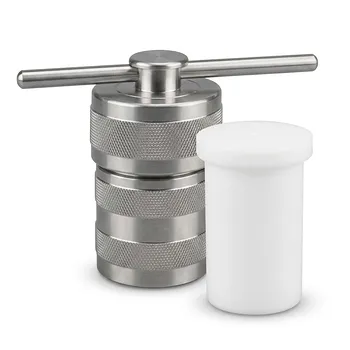
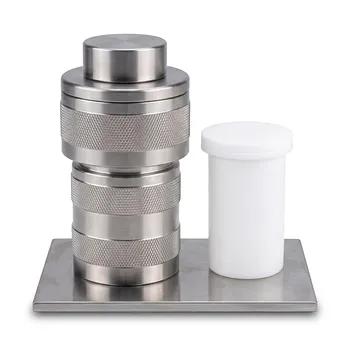
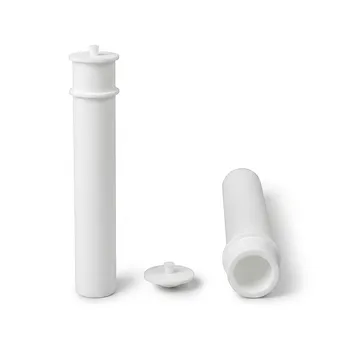
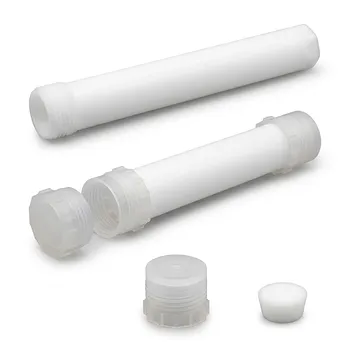
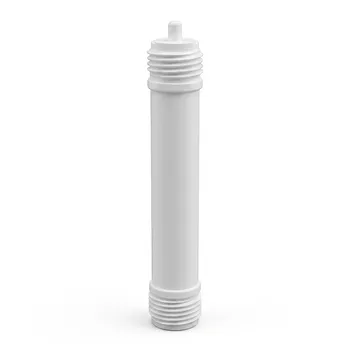
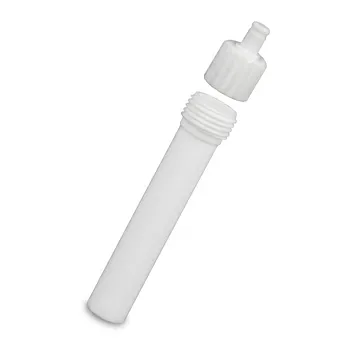
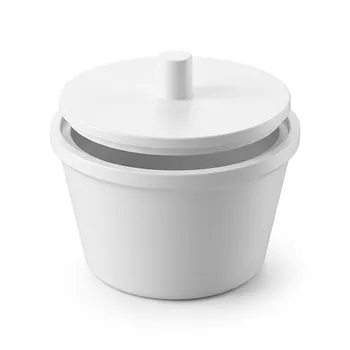
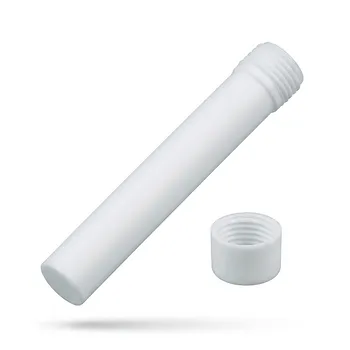
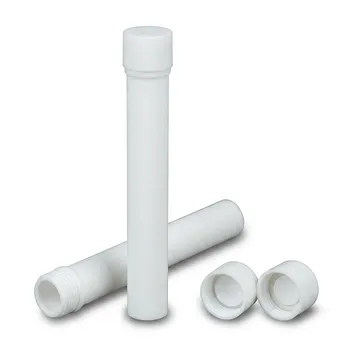
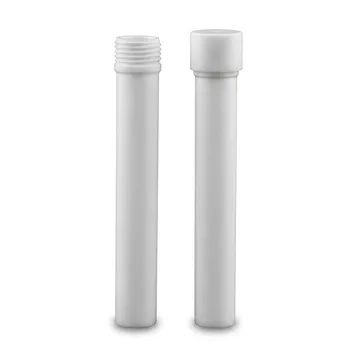
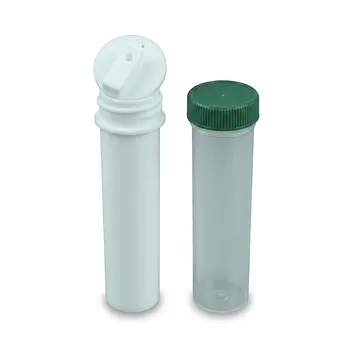
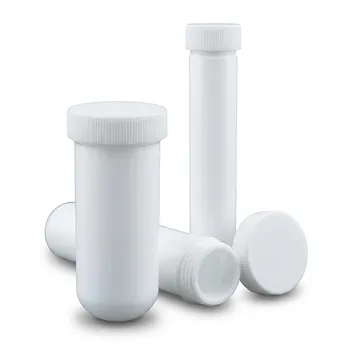
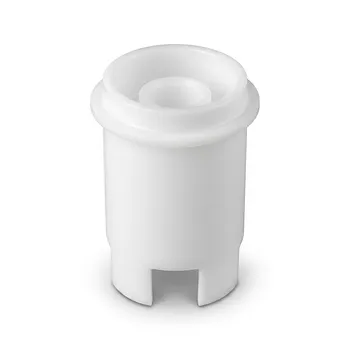
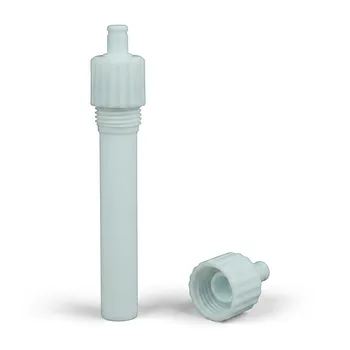
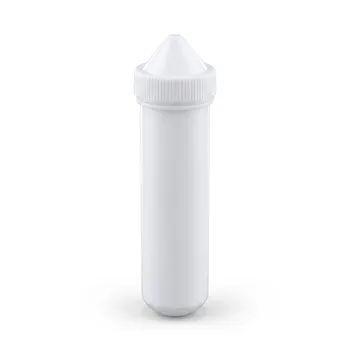
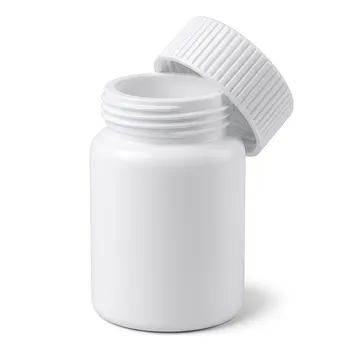
PTFE and PFA liners function as chemically inert isolation barriers that prevent metal contamination while withstanding the high alkalinity of the synthesis gel. In the one-step hydrothermal synthesis of layered Silicalite-2, these liners serve as the primary reaction vessel, ensuring that the 150 °C environment does not cause leaching from the outer metal autoclave. Their presence is mandatory for protecting the structural integrity of atomically dispersed zinc sites within the zeolite framework.
The core role of high-purity liners is to provide a "clean-room" environment within a high-pressure reactor, shielding the synthesis process from metallic impurities that would otherwise disrupt the precise crystallization of layered Silicalite-2.
Maintaining Chemical Integrity in Extreme Conditions
Neutralizing Alkaline Corrosion
The synthesis of layered Silicalite-2 typically involves a highly alkaline gel that would aggressively corrode standard stainless steel reactor walls. High-purity PTFE or PFA liners provide total chemical inertness, ensuring the solution remains contained without reacting with its vessel. This allows the synthesis to proceed for the required duration without shifts in pH or chemical composition.
Thermal Stability at Hydrothermal Temperatures
At the standard synthesis temperature of 150 °C, these fluoropolymer liners maintain their physical form and chemical stability. They provide a stable, closed environment where the internal pressure can rise safely without the liner degrading or releasing volatiles. This thermal resilience is what enables the consistent growth of zeolite crystals over long induction periods.
Protecting the Atomic Architecture of Silicalite-2
Prevention of Metal Ion Leaching
The most critical function of these liners is the prevention of metal ion contamination from the autoclave’s outer shell. Even trace amounts of iron, chromium, or nickel can interfere with the formation of the zeolite framework. For layered Silicalite-2, maintaining the purity of atomically dispersed zinc sites is essential for the material's final catalytic or structural properties.
Ensuring Low Impurity Leaching Rates
Standard-grade plastics can leach organic or inorganic impurities when subjected to heat and pressure. High-purity grades of PTFE and PFA are specifically processed to minimize these leaching rates to near-zero levels. This ensures that the only elements present in the final crystal are those intentionally added to the synthesis gel.
Operational Advantages and Equipment Protection
Isolation of the Stainless Steel Jacket
Beyond protecting the sample, the liner serves to protect the high-pressure digestion vessel itself. By isolating corrosive media from the metal body, the liner prevents pitting and structural weakening of the autoclave. This dual-protection role extends the lifespan of expensive laboratory hardware while ensuring safety during high-pressure cycles.
Facilitating Product Recovery
The non-stick surface of PTFE and PFA liners is a significant advantage when recovering synthesized micro- and nano-powders. After the hydrothermal process is complete, the Silicalite-2 crystals can be easily removed from the liner without significant loss. This high recovery rate is vital for maintaining the efficiency of the synthesis and ensuring uniform morphology in the harvested material.
Understanding the Trade-offs
Temperature and Pressure Limitations
While PTFE is highly resilient, it is subject to mechanical deformation or "creep" under extreme pressures at temperatures exceeding 220 °C. For Silicalite-2 synthesis at 150 °C, this is rarely an issue, but researchers must ensure the liner is properly seated to prevent "cold flow" leaks. If the liner is compromised, the alkaline gel will immediately attack the metal housing.
Porosity and Memory Effects
Fluoropolymers can be slightly porous, meaning they may retain trace amounts of chemicals from previous synthesis runs if not cleaned rigorously. This "memory effect" can lead to cross-contamination between different batches of materials. High-purity liners minimize this risk, but they still require specialized cleaning protocols, such as acid leaching, between uses.
Making the Right Choice for Your Goal
How to Apply This to Your Project
- If your primary focus is framework purity: Always opt for high-purity PFA over standard PTFE, as PFA typically offers lower leaching rates and a smoother surface finish.
- If your primary focus is equipment longevity: Ensure the liner is inspected for thinning or deformation after every run to prevent the alkaline gel from ever reaching the stainless steel jacket.
- If your primary focus is consistent crystal morphology: Use dedicated liners for specific synthesis types to eliminate the risk of cross-contamination from different metal precursors.
High-purity liners are the invisible but essential foundation that allows for the precise, uncontaminated synthesis of advanced porous materials like layered Silicalite-2.
Summary Table:
| Feature | Role in Silicalite-2 Synthesis | Key Benefit |
|---|---|---|
| Chemical Inertness | Resists highly alkaline synthesis gels | Prevents pH shifts and vessel corrosion |
| Thermal Stability | Operates reliably at 150°C | Ensures a stable, closed reaction environment |
| Isolation Barrier | Blocks metal ion leaching from autoclave | Protects the purity of atomic zinc sites |
| Non-Stick Surface | Facilitates easy powder collection | Maximizes yield and maintains crystal morphology |
Secure the Purity of Your Advanced Materials with KINTEK
In the world of high-pressure hydrothermal synthesis, even trace metal contamination can compromise the atomic architecture of your catalysts. KINTEK specializes in high-performance fluoropolymer solutions designed to provide the ultimate "clean-room" environment within your reactors.
From everyday basic labware—including beakers, digestion tubes, and reagent bottles—to high-purity PFA liners and complex fluid transfer components, we ensure your samples remain untainted. Our expertise extends to end-to-end custom CNC fabrication, allowing us to deliver everything from bespoke reaction apparatus and electrochemical cells to high-volume standard orders.
Why choose KINTEK?
- Absolute Material Focus: Exclusive specialization in high-performance PTFE and PFA.
- Custom Precision: Bespoke laboratory setups tailored to your specific pressure and temperature requirements.
- Total Protection: Safeguard both your sensitive framework synthesis and your expensive autoclave hardware.
Ready to enhance your lab’s efficiency and precision? Contact us today to discuss your project!
References
- Jun Zhao, Valentin Valtchev. Atomically dispersed zinc sites confined in a layered silicalite-2 zeolite with enhanced stability for propane dehydrogenation. DOI: 10.1016/j.micromeso.2025.113503
This article is also based on technical information from Kintek Knowledge Base .
Related Products
- 5ml High Pressure PTFE Digestion Vessel for Geological Mineral Analysis Corrosion Resistant Polytetrafluoroethylene TFM Digestion Inner Liner
- PTFE Lined High Pressure Digestion Vessel 50ml High Temperature Hydrothermal Synthesis Tank
- Custom 100ml PTFE Digestion Tube for Heavy Metal Trace Analysis and High Temperature Acid Digestion
- High Purity Laboratory Microwave Digestion Vessel Customizable PFA PTFE Digestion Tank for Analytical Sample Preparation Trace Metal Analysis
- High Purity PTFE Microwave Digestion Vessel for Soil and Food Analysis Acid Resistant Fluoropolymer Sample Preparation Liners
People Also Ask
- What safety features are typically incorporated into high-pressure PTFE digestion vessel designs? Ensure Lab Safety
- What is the function of high-pressure PTFE digestion vessels in mineral analysis? Optimize Sample Mineralization
- Why is a PTFE liner utilized in V2O5 synthesis? Ensure Chemical Purity and Corrosion Resistance
- What is the primary function of a PTFE liner? Key Benefits for Purity and Safety in Hydrothermal Synthesis
- What is the role of a PTFE liner in Bi2O3–TiO2 synthesis? Ensure High Purity and Controlled Crystal Growth