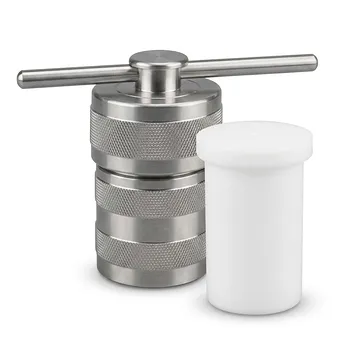
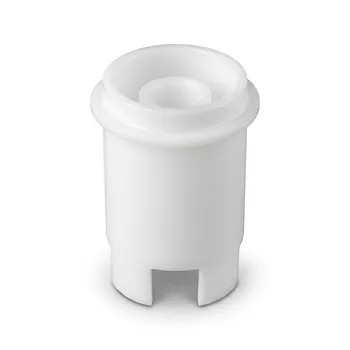
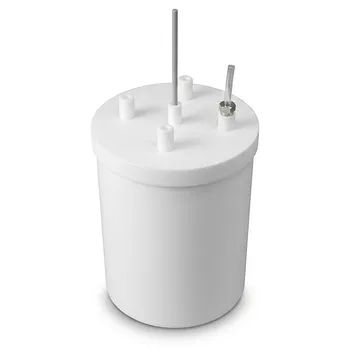
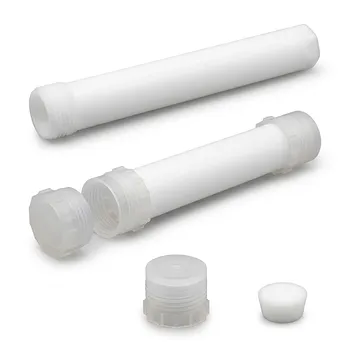
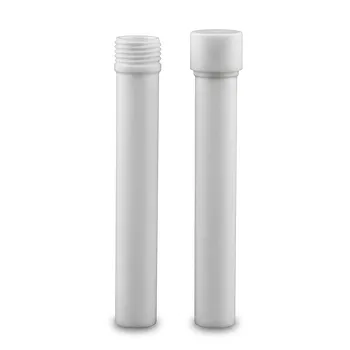
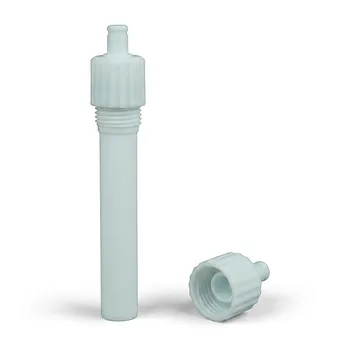
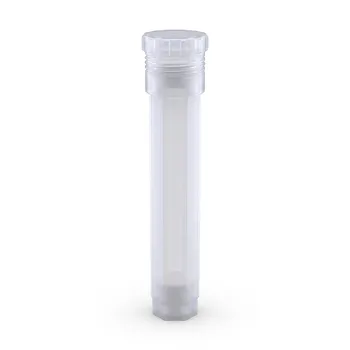
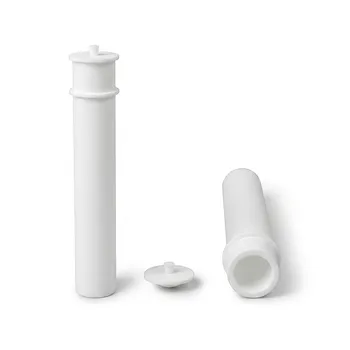
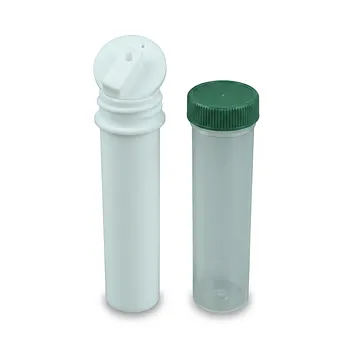
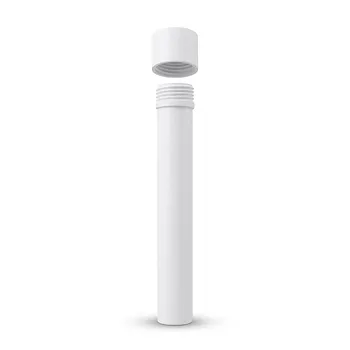
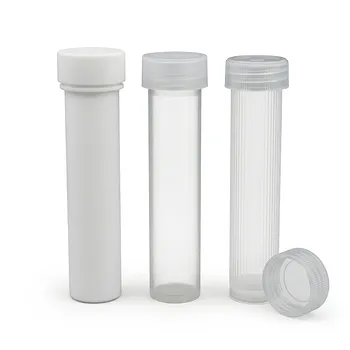
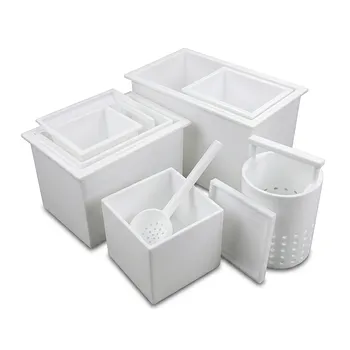
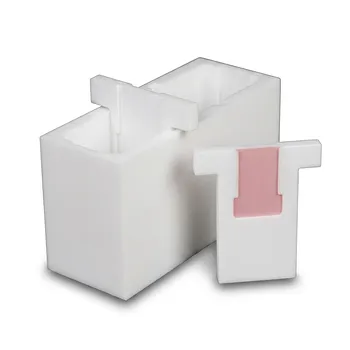
High-pressure Polytetrafluoroethylene (PTFE) digestion tanks function as the primary reaction vessels during the microwave-assisted digestion of samples for heavy metal analysis. These tanks provide a chemically inert environment that withstands the extreme temperatures and pressures required to dissolve complex matrices using concentrated acids. Their unique properties ensure that trace metals are completely released into solution without being lost to the vessel walls or contaminated by the container itself.
Core Takeaway: PTFE digestion tanks are critical for sample integrity, acting as pressurized, non-reactive containers that allow for the complete mineralization of samples while preventing both the leaching of impurities and the loss of volatile trace elements.
Extreme Environment Containment
Resistance to Corrosive Reagents
High-pressure PTFE tanks are specifically designed to hold strong oxidizing acids like concentrated nitric acid, hydrofluoric acid, and aqua regia. The chemical inertness of the fluoropolymer ensures that the vessel itself does not react with these reagents, even at temperatures exceeding atmospheric boiling points.
Withstanding High Temperatures and Pressures
During microwave digestion, these vessels must survive extreme physical stress to facilitate rapid chemical reactions. Advanced variants, such as TFM-PTFE, can withstand temperatures up to 300°C and pressures as high as 100 atm.
Maintaining a Sealed System
The high-pressure design allows the digestion process to occur in a closed system. This containment is vital for preventing the volatilization of target elements, such as mercury or arsenic, which would otherwise escape as gas and lead to inaccurate recovery rates.
Safeguarding Sample Integrity
Eliminating Leaching and Contamination
The high purity of the PTFE material ensures that it does not release trace metal impurities into the sample. This characteristic is essential for trace analysis, where even microscopic levels of background interference can invalidate the results of heavy metal detection.
Preventing Adsorption Loss
PTFE possesses low surface energy and non-stick properties that prevent metal ions from sticking to the vessel walls. This ensures that the entire concentration of heavy metals remains in the liquid phase for subsequent measurement by instruments like ICP-MS or AAS.
Suppressing External Interference
Because these tanks operate within a sealed microwave system, they act as a barrier against the laboratory environment. This prevents external dust or airborne contaminants from entering the sample during the critical digestion stage.
Facilitating Complete Mineralization
Dissolving Complex Matrices
The combination of high heat and pressure inside the PTFE tank allows for the complete mineralization of difficult organic and inorganic matrices. This process transforms solid samples, such as soil, biological tissues, or indoor dust, into clear, homogenous liquids.
Speed and Efficiency
By allowing reactions to occur at temperatures far higher than possible in open-beaker methods, PTFE tanks significantly accelerate the digestion time. This efficiency allows for a faster release of heavy metals like lead, cadmium, and platinum into the acid solution.
Understanding the Trade-offs
Material Fatigue and Aging
Despite their durability, PTFE tanks are subject to mechanical wear and tear over time due to repeated thermal expansion and contraction. Users must regularly inspect vessels for deformation or pitting, as compromised walls can lead to safety hazards or sample cross-contamination.
Temperature Limitations
While PTFE is highly resistant, it has a definite thermal ceiling; exceeding its maximum operating temperature can cause the material to soften or fail. This requires precise monitoring of the microwave power and internal sensors to prevent vessel "venting" or permanent damage.
Memory Effects and Cleaning
Although PTFE is non-stick, some elements can occasionally become embedded in the microscopic pores of the polymer surface. This necessitates stringent acid-washing protocols between uses to prevent "memory effects" where residues from a previous high-concentration sample contaminate the next.
How to Apply This to Your Project
Selecting the Right Approach
When integrating high-pressure PTFE digestion into your laboratory workflow, align your vessel selection with your specific analytical goals:
- If your primary focus is ultra-trace element analysis: Prioritize high-purity TFM-PTFE vessels to ensure the lowest possible background interference and prevent leaching.
- If your primary focus is volatile heavy metals (e.g., Mercury): Ensure your vessels are rated for high-pressure sealing to prevent the loss of elements through volatilization during the heating cycle.
- If your primary focus is complex organic mineralization: Select reinforced, thick-walled PTFE tanks capable of sustaining the high pressures generated by the rapid release of carbon dioxide.
By leveraging the chemical stability and physical resilience of PTFE digestion tanks, you ensure that your heavy metal analysis is both accurate and reproducible across diverse sample types.
Summary Table:
| Key Feature | Functional Role | Analytical Benefit |
|---|---|---|
| Chemical Inertness | Resists aqua regia & HF | Prevents vessel leaching & contamination |
| Pressure Resistance | Withstands up to 100 atm | Accelerates mineralization of complex matrices |
| Hermetic Sealing | Prevents gas escape | Ensures 100% recovery of volatile elements (Hg, As) |
| Low Surface Energy | Non-stick PTFE surface | Minimizes adsorption loss of trace metal ions |
Elevate Your Trace Analysis with KINTEK’s Fluoropolymer Expertise
Precision in heavy metal analysis starts with the purity of your vessels. KINTEK specializes in high-performance laboratory supplies crafted exclusively from PTFE and PFA. Whether you require standard consumables like beakers, crucibles, and digestion tubes, or specialized high-purity microwave digestion vessels and hydrothermal synthesis liners, we provide the chemical resistance and thermal stability your research demands.
Our capabilities extend from everyday labware (reagent bottles, stirring bars, and filtration tools) to advanced custom components like microchannel reactors and bespoke electrochemical cells. Backed by end-to-end custom CNC fabrication, KINTEK can deliver everything from high-volume standard orders to complex, non-standard machined parts tailored to your specific workflow.
Ensure absolute sample integrity today—Contact our specialists at KINTEK to discuss your laboratory’s high-performance fluoropolymer needs.
References
- Dilli Prasad K.M, Griselda C. Espinoza B.. Combined activity of Gracilaria edulis and Ulva reticulata on Diabetes associated Atherosclerosis: An In-vitro study. DOI: 10.63682/jns.v14i15s.4929
This article is also based on technical information from Kintek Knowledge Base .
Related Products
- PTFE Lined High Pressure Digestion Vessel 50ml High Temperature Hydrothermal Synthesis Tank
- 5ml High Pressure PTFE Digestion Vessel for Geological Mineral Analysis Corrosion Resistant Polytetrafluoroethylene TFM Digestion Inner Liner
- High Pressure PTFE Digestion Vessel Inner Cup Holder Custom Corrosion Resistant Low Background Teflon
- Large Corrosion Resistant PTFE Reaction Tank Integrated Digestion Barrel Leak Proof Vessel
- High Purity Laboratory Microwave Digestion Vessel Customizable PFA PTFE Digestion Tank for Analytical Sample Preparation Trace Metal Analysis
People Also Ask
- What are the benefits of using a PTFE-lined vessel for carbon-sulfur cathode treatment? Maximize Purity & Performance
- Why are PTFE-lined pressure digestion vessels required for the preparation of Ag/CeO2 catalysts? Purity & Performance
- What is the function of high-pressure PTFE digestion vessels in mineral analysis? Optimize Sample Mineralization
- What safety features are typically incorporated into high-pressure PTFE digestion vessel designs? Ensure Lab Safety
- What is the function of PTFE lined high-pressure vessels in g-C3N4 synthesis? Achieve High-Purity Material Growth