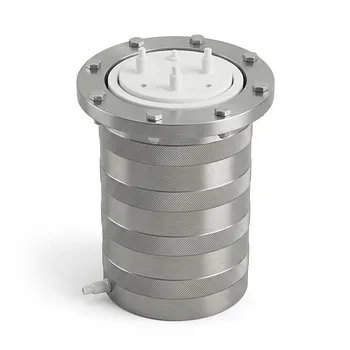
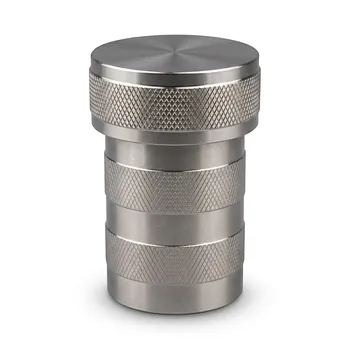
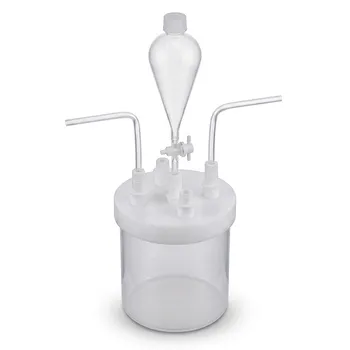
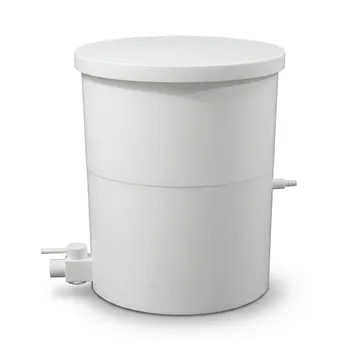
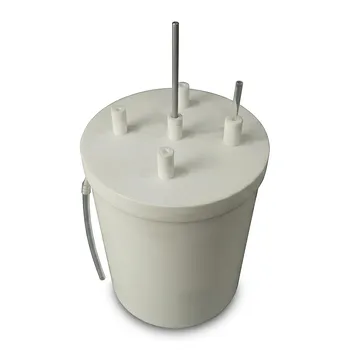
High-pressure hydrothermal synthesis reactors and their high-purity liners are the essential infrastructure for synthesizing RuO2/Co3O4 composite catalysts. These systems create a controlled, high-temperature, and high-pressure environment—typically reaching 180°C—that allows for the uniform, in-situ growth of RuO2 particles directly onto the Co3O4 carrier surface. By isolating the reaction from the metal reactor shell, the liners ensure chemical purity and structural integrity under the harsh alkaline conditions (pH=10) required for this specific synthesis.
The hydrothermal reactor provides the necessary thermal energy and autogenous pressure to drive catalyst formation, while PTFE or PFA liners act as a critical chemical barrier. This combination ensures the synthesis of high-purity, nanostructured catalysts by preventing metallic contamination and facilitating controlled crystalline growth.
The Reactor’s Role in Facilitating Complex Synthesis
Creating the Extreme Reaction Environment
The hydrothermal reactor acts as a sealed pressure vessel capable of maintaining constant high temperatures and high autogenous pressures. This environment is necessary to reach the energy thresholds required for the chemical precursors to react and transform into the desired RuO2/Co3O4 composite.
Driving In-Situ Nucleation and Growth
By maintaining a stable, closed system, the reactor enables the in-situ growth of RuO2 particles onto the Co3O4 carrier. This specific growth mechanism is vital for creating a strong interface between the two components, which directly enhances the catalyst's performance and stability.
Achieving Specific Crystalline Phases
The high-pressure environment facilitates the synthesis of specific crystalline phases and rod-like nanostructures that are often impossible to achieve under ambient pressure. This level of control is necessary for optimizing the active sites of the catalyst for applications like carbon dioxide reduction or water splitting.
The Critical Function of High-Purity Liners
Chemical Isolation and Impurity Prevention
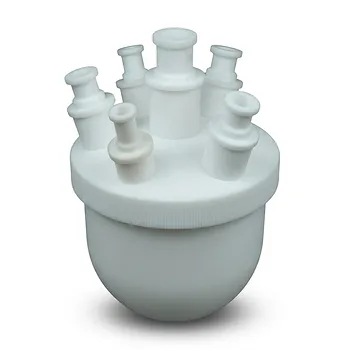
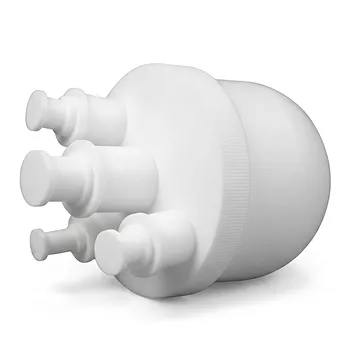
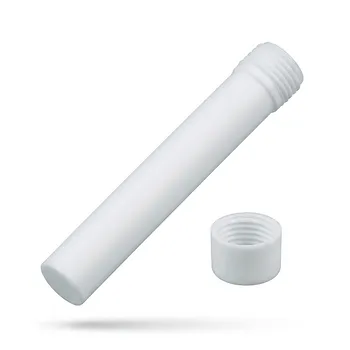
High-purity PTFE (Polytetrafluoroethylene) or PFA (Perfluoroalkoxy) liners provide a physical barrier between the reaction solution and the stainless steel reactor body. This prevents the leaching of metal ions from the reactor walls, which would otherwise contaminate the catalyst's active sites and degrade its performance.
Corrosion Resistance in Harsh Alkaline Media
The synthesis of RuO2/Co3O4 often occurs in strongly alkaline conditions (such as pH=10). PTFE and PFA are chosen for their exceptional chemical inertness, as they do not react with or erode when exposed to strong bases or acids at high temperatures.
Maintaining Morphological Control
The stable physicochemical environment provided by the liner ensures that the microscopic morphology of the synthesized materials remains controllable. Without the non-stick and inert properties of these liners, the nanostructured growth could be disrupted by surface interactions with the container or by the introduction of trace impurities.
Understanding the Trade-offs and Constraints
Temperature and Pressure Limitations
While PTFE is highly resistant, it has a functional temperature ceiling, typically around 250°C, above which it may begin to deform or release vapors. Users must strictly monitor the internal temperature to ensure the liner maintains its structural integrity and sealing capability during long reaction times.
Material Recovery and Cleaning
The non-stick nature of fluoropolymer liners is a significant advantage for product recovery, but improper cleaning can lead to cross-contamination between batches. While these liners protect the outer shell, they are consumables that may eventually wear out or absorb trace amounts of precursors after repeated high-pressure cycles.
How to Apply This to Your Catalyst Project
To achieve the best results when synthesizing composite catalysts like RuO2/Co3O4, you should tailor your equipment choice to your specific experimental demands.
- If your primary focus is Maximum Catalyst Purity: Always utilize high-purity PFA liners, as they offer the lowest risk of trace metal leaching compared to standard-grade fluoropolymers.
- If your primary focus is Morphological Precision: Ensure the reactor is filled to the manufacturer-recommended volume (usually 60-80%) to maintain the specific autogenous pressure required for uniform crystalline growth.
- If your primary focus is Equipment Longevity: Inspect liners for discoloration or deformation after every run at 180°C to prevent corrosive alkaline solutions from reaching and damaging the stainless steel outer shell.
By precisely controlling the hydrothermal environment through high-quality reactors and liners, you ensure the production of high-performance catalysts with predictable and repeatable characteristics.
Summary Table:
| Component | Key Function | Impact on RuO2/Co3O4 Synthesis |
|---|---|---|
| Hydrothermal Reactor | High Temperature/Pressure | Drives in-situ nucleation and specific crystalline phase growth. |
| High-Purity Liners | Chemical Isolation | Prevents metallic leaching and contamination of catalyst active sites. |
| Fluoropolymer Material | Corrosion Resistance | Withstands harsh alkaline conditions (pH 10) without degradation. |
| Sealed Environment | Autogenous Pressure | Facilitates the formation of uniform, rod-like nanostructures. |
Elevate Your Catalyst Research with KINTEK
Precision in catalyst synthesis starts with the highest-purity equipment. KINTEK specializes in high-performance fluoropolymer labware, providing the chemical inertness and structural integrity your research demands. From high-purity PTFE and PFA hydrothermal synthesis liners and microwave digestion vessels to custom electrochemical cells and battery testing fixtures, we offer a comprehensive range of laboratory supplies.
Our expertise extends from everyday basic labware (beakers, crucibles, and reagent bottles) to complex, custom CNC-fabricated components tailored to your specific setup. Whether you are performing trace analysis or high-volume synthesis, KINTEK ensures your results remain uncontaminated and repeatable.
Ready to optimize your lab’s performance? Contact KINTEK today to discover how our high-performance fluoropolymer solutions can support your next breakthrough.
References
- Yajun Zhao, Xiaojing Li. MOF-derived Co catalysts modified with RuO2 for durable Li-O2 batteries. DOI: 10.1038/s41598-025-11449-1
This article is also based on technical information from Kintek Knowledge Base .
Related Products
- High Pressure Custom TFM Reactor Stainless Steel Outer Vessel PTFE Inner Cup for Corrosive Synthesis
- High Temperature Corrosion Resistant Hydrothermal Synthesis Reactor with TFM Inner Liner and Straight Cylinder Design
- High Purity PFA Reaction Vessel for Biopharmaceutical Synthesis and Corrosive Chemical Fluid Handling with Customizable Tube Fittings
- PTFE Lined High Pressure Digestion Vessel 50ml High Temperature Hydrothermal Synthesis Tank
- Large Scale PTFE Double Layer Reaction Tank with Integrated Filter Plate High Purity Polytetrafluoroethylene Chemical Vessel 25L
People Also Ask
- Why is a PTFE-lined reactor required for Mn2O3 synthesis? Achieve High Purity & Corrosion Resistance
- What is the technical value of 180 bar pressure for MgO nanostructures? Unlock Superior Crystallinity and Morphology
- What are the technical advantages of using high-pressure PTFE reaction vessels during metal digestion? Expert Insights.
- How does the regulation of initial pressure within a high-pressure reaction system affect the production of MIL-100(Fe)?
- Why is a high-pressure reactor necessary for the esterification reaction between oleic acid and methanol at 150°C? Guide