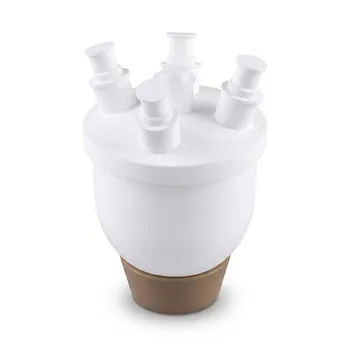
The necessity of a high-pressure reactor in this process is driven by the physical properties of methanol. At 150°C, the reaction temperature is more than double the boiling point of methanol (64.7°C), which would normally cause the alcohol to flash into a gas. A high-pressure reactor is required to force the methanol to remain in a liquid state, ensuring the reactants can actually interact to form biodiesel.
Core Takeaway: To achieve efficient esterification at high temperatures, a high-pressure reactor must be used to keep methanol in the liquid phase. This prevents the loss of reactants to the gas phase and maintains the necessary molecular contact between the methanol and oleic acid.
The Physics of Phase Control
Overcoming the Boiling Point Barrier
At standard atmospheric pressure, methanol transitions from a liquid to a gas at approximately 64.7°C. Because the desired reaction temperature is 150°C, the methanol molecules possess enough kinetic energy to escape the liquid phase entirely.
A high-pressure reactor functions by creating a sealed environment where the pressure builds as the temperature rises. This internal pressure counteracts the vapor pressure of the methanol, effectively "squeezing" it back into a liquid state despite the heat.
Maintaining Interfacial Contact
Esterification between oleic acid and methanol is a liquid-phase reaction. If the methanol were allowed to boil away into the headspace of the vessel, it would no longer be in physical contact with the oleic acid.
By maintaining high pressure, you ensure that the two reactants exist in the same phase. This maximum contact is essential for the chemical transformation to occur at a productive rate.
Impact on Reaction Efficiency
Accelerating Biodiesel Conversion
Chemical reactions generally proceed faster at higher temperatures. By reaching 150°C, the system provides the thermal energy needed to overcome activation barriers and speed up the production of biodiesel.
Without a pressure-rated vessel, this temperature would be impossible to maintain while keeping the methanol in the system. The high-pressure reactor allows you to harness these accelerated kinetics without losing your feedstock to evaporation.
Ensuring Stoichiometric Balance
If methanol escapes as a gas, the ratio of methanol to oleic acid in the liquid phase drops. This imbalance can lead to incomplete reactions and poor yield.
The sealed reactor ensures that the stoichiometry (the calculated balance of chemicals) remains consistent throughout the duration of the heating cycle. This consistency is the key to high-quality biodiesel output.
Understanding the Trade-offs
Equipment Complexity and Cost
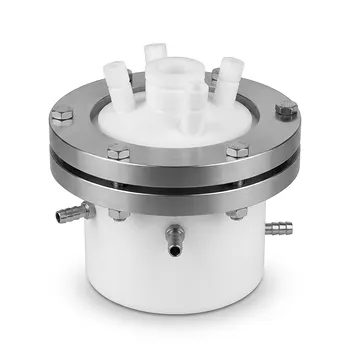
High-pressure reactors require specialized materials and robust sealing mechanisms to operate safely at 150°C. These systems are significantly more expensive to purchase and maintain than standard atmospheric tanks.
Safety Risks and Management
Operating a vessel under substantial internal pressure introduces the risk of mechanical failure or leaks. Safety relief valves and rigorous pressure testing are mandatory to prevent catastrophic failures during the heating process.
Energy Consumption
Maintaining a system at 150°C under pressure requires constant energy input and high-quality thermal insulation. While the reaction is faster, the energy overhead per batch must be carefully calculated to ensure the process remains economically viable.
Optimizing Your Esterification Setup
To achieve the best results with high-temperature esterification, you must align your equipment choices with your specific production goals.
- If your primary focus is Maximum Yield: Use a high-pressure reactor to maintain a high methanol-to-oil ratio in the liquid phase, ensuring the reaction reaches near-total completion.
- If your primary focus is Process Speed: Leverage the 150°C environment to reduce residence time, but ensure your reactor is rated for at least twice the expected vapor pressure for safety.
- If your primary focus is Cost Reduction: Consider lower-temperature catalysts that operate closer to the boiling point of methanol to reduce the need for expensive high-pressure infrastructure.
By masterfully controlling the relationship between temperature and pressure, you turn a volatile chemical process into a highly efficient biodiesel production line.
Summary Table:
| Aspect | Requirement / Detail |
|---|---|
| Methanol BP | 64.7°C (at atmospheric pressure) |
| Process Temp | 150°C (requires pressure to keep methanol liquid) |
| Core Objective | Maintain liquid-phase contact & stoichiometry |
| Reaction Benefit | Faster kinetics and higher conversion yield |
| Safety Focus | High-pressure seals and relief valves required |
Elevate Your Lab Research with KINTEK High-Performance Solutions
Precision and material integrity are non-negotiable when dealing with high-temperature esterification and volatile reactions. KINTEK specializes in manufacturing a comprehensive range of laboratory supplies crafted from premium PTFE and PFA to ensure your processes remain uncontaminated and efficient.
From everyday basic labware like beakers, measuring cylinders, and reagent bottles to specialized high-purity trace analysis instruments and cleaning tanks, we provide the tools you need for absolute phase control. Our expertise extends to fluid transfer components (tubing, valves, fittings) and advanced reaction apparatus, including hydrothermal synthesis liners, microwave digestion vessels, and custom electrochemical cells.
Whether you require high-volume standard consumables or bespoke CNC-fabricated components tailored to your specific setup, KINTEK’s exclusive focus on high-performance fluoropolymers guarantees durability and chemical resistance.
Ready to optimize your high-pressure setup? Contact us today to discuss your custom fabrication needs and source the industry's most reliable laboratory materials.
References
- Qiuyun Zhang, Yutao Zhang. Facile fabrication of heteropolyacid/bimetallic Bi/Ce-MOFs hybrid catalyst for sustainable biodiesel synthesis. DOI: 10.1186/s13065-025-01662-4
This article is also based on technical information from Kintek Knowledge Base .
Related Products
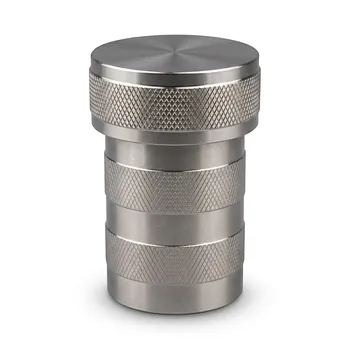
- High Pressure Custom TFM Reactor Stainless Steel Outer Vessel PTFE Inner Cup for Corrosive Synthesis
- High Temperature Corrosion Resistant Hydrothermal Synthesis Reactor with TFM Inner Liner and Straight Cylinder Design
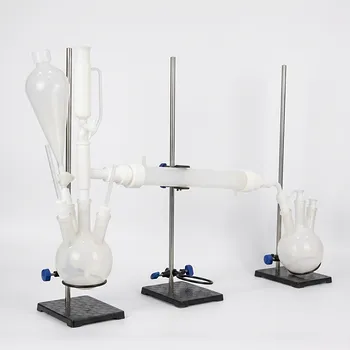
- High Purity PFA Constant Pressure Condensation Reaction System Acid Resistant High Temperature Customizable Teflon Labware
- Custom TFM Reaction Vessel with Stainless Steel Jacket and PTFE Inner Cup for High Corrosion Resistance
- High Temperature Teflon Continuous Reaction System and HF Resistant Three Neck Flask for Petrochemical Processing
People Also Ask
- Why is a PTFE-lined reactor required for Mn2O3 synthesis? Achieve High Purity & Corrosion Resistance
- What is the technical value of 180 bar pressure for MgO nanostructures? Unlock Superior Crystallinity and Morphology
- What are the technical advantages of using high-pressure PTFE reaction vessels during metal digestion? Expert Insights.
- How does the regulation of initial pressure within a high-pressure reaction system affect the production of MIL-100(Fe)?
- What is the function of a high-pressure reactor in ZnWO4/BiOBr synthesis? Optimize Morphology and Heterojunctions