Moisture-sensitive fluoropolymer intermediates must be handled as air- and moisture-controlled materials throughout transfer, reaction, storage, and scale-up. Use thoroughly purified reagents, sealed reaction equipment, chemically inert transfer lines, and corrosion-resistant storage systems. The process should also control oxygen, ignition sources, temperature, pressure, contamination, and toxic byproducts so that moisture protection does not create new hazards.
Core takeaway: Atmospheric moisture can cause side reactions or premature decomposition of sensitive fluorinated starting materials and intermediates. Reliable synthesis therefore depends on an integrated system of purification, closed handling, compatible materials, controlled process conditions, and effective ventilation.
Protecting Intermediates From Moisture
Use sealed reaction vessels
Reaction vessels should remain closed from reagent charging through intermediate isolation or transfer wherever practical. Seals, ports, valves, and sampling points must be selected to minimize moisture ingress and prevent vapor leakage.
A sealed vessel is only effective if its connected equipment is equally controlled. Open transfers, poorly fitted sampling ports, and repeated vessel venting can reintroduce humidity even when the reactor itself is suitable.
Control the transfer environment
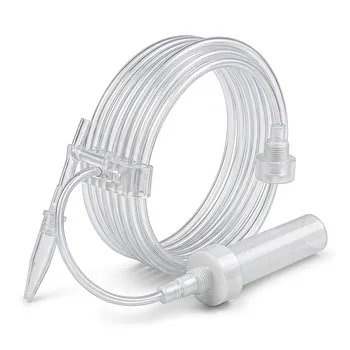
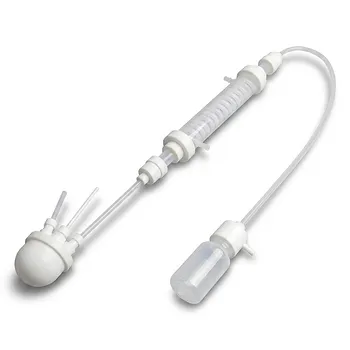
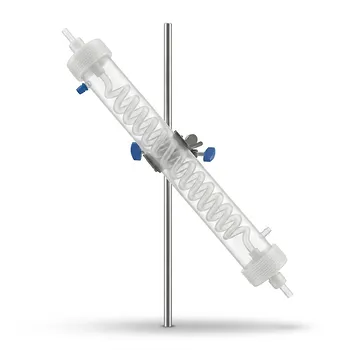
Use high-purity, chemically inert transfer lines and leak-resistant fittings for moving moisture-sensitive materials. Lines should be clean, dry, compatible with the chemicals, and configured to avoid dead legs or trapped residues that can contaminate later batches.
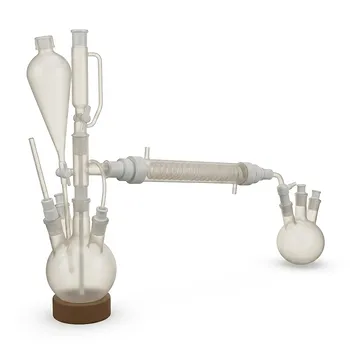
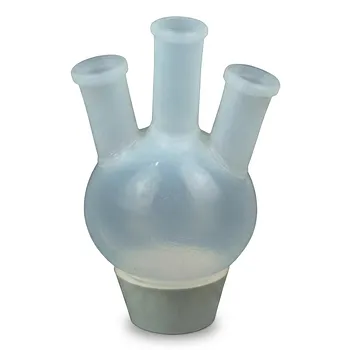
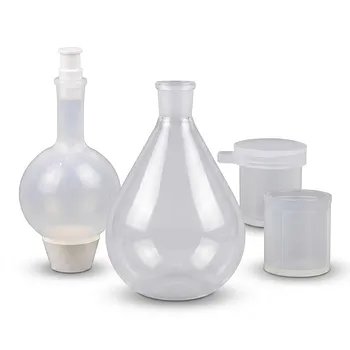
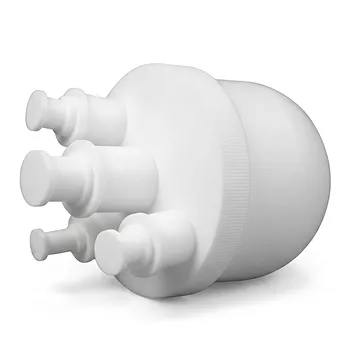
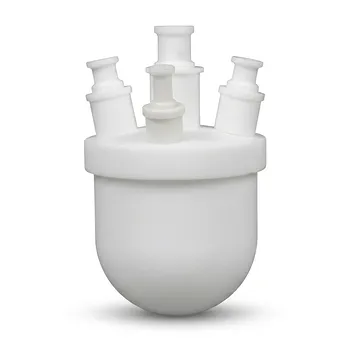
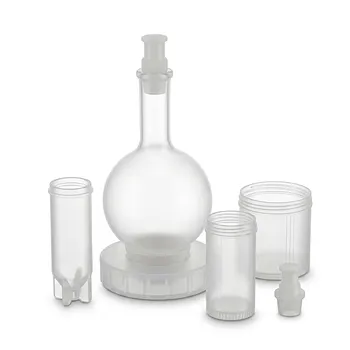
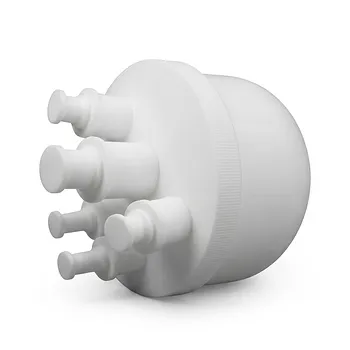
For volatile fluoroalkene precursors, sealed PTFE or PFA vessels and leak-proof fittings can provide chemical compatibility and vapor containment. Their temperature, pressure, mechanical, and permeation limits must still be verified for the specific process.
Minimize exposure during sampling
Sampling should be performed through closed or otherwise moisture-controlled systems. The procedure should limit the time that the reaction vessel or intermediate container is exposed to the surrounding atmosphere.
Sampling hardware must not become a contamination source. Use dedicated or appropriately cleaned equipment, and confirm that cleaning and drying methods do not leave water, solvent residue, particulates, or reactive residues behind.
Ensuring Reagent and Equipment Purity
Purify starting reagents
Starting reagents require meticulous purification because trace moisture or reactive contaminants can affect yield, selectivity, and intermediate stability. Purification specifications should be defined before scale-up, with suitable analytical checks for water and other critical impurities.
The required purity is process-specific. A material that is acceptable for a less sensitive step may be unsuitable for a moisture-sensitive fluoropolymer intermediate.
Dry and verify equipment
Reaction vessels, transfer lines, storage tanks, fittings, and sampling equipment should be dried using a validated procedure before use. Drying should account for equipment geometry, porous materials, trapped liquid, and the possibility of residual cleaning agents.
Equipment readiness should be verified rather than assumed. Appropriate checks may include moisture testing, inspection of the closed system, and confirmation that the equipment has remained isolated from humid air after drying.
Prevent cross-contamination
Fluoropolymer intermediates can be affected by trace contamination from previous campaigns, cleaning chemicals, metals, or degraded polymer residues. Equipment selection and cleaning validation should address both chemical contamination and moisture retention.
Dedicated equipment may be justified when the material is especially reactive or when contamination could compromise a high-value batch.
Selecting Compatible Materials
Use corrosion-resistant storage systems
Storage tanks and wetted components should be constructed from materials that resist the intermediate, associated solvents, moisture, and potential reaction byproducts. Corrosion-resistant construction protects both product purity and equipment integrity.
Material compatibility must cover the complete operating envelope, including temperature excursions, pressure changes, cleaning conditions, and long-term storage.
Treat fluoropolymer components as process-specific
PTFE and PFA can be useful for chemically aggressive or moisture-sensitive service because of their chemical inertness and thermal stability. They are not automatically suitable for every application, however.
Confirm temperature limits, pressure ratings, mechanical strength, permeability, seal performance, and compatibility with the actual monomer, solvent, and intermediate before specifying them.
Protect analytical samples
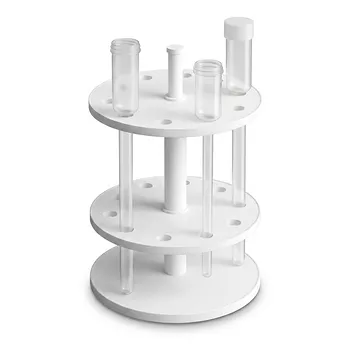
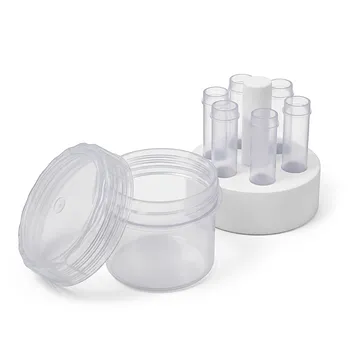
Trace-analysis samples require containers and closures that do not react with the sample or release contaminants. Sealed fluoropolymer containers may help preserve sample integrity during elevated-temperature polymerizations, provided their pressure and temperature ratings are appropriate.
Controlling the Process
Control temperature precisely
Temperature control should be tightly linked to intermediate stability. Uncontrolled heating can accelerate decomposition, change reaction behavior, or increase vapor pressure and containment demands.
For later fluoropolymer processing, multi-zone PID control of barrels and preheaters helps manage melt viscosity and avoid thermal degradation. Direct melt-temperature measurement is important because equipment setpoints may not represent the actual temperature of the material.
Control oxygen and ignition sources
Earlier monomer synthesis stages may involve reactive precursors such as tetrafluoroethylene. Eliminate ignition sources, including electrical arcs, hot spots, and unsuitable equipment, and control residual oxygen in accordance with the approved process hazard analysis.
This requirement is separate from moisture control. A dry system can still be hazardous if oxygen concentration, pressure, or ignition sources are not controlled.
Monitor pressure and containment
Closed handling increases the importance of pressure relief, leak detection, and controlled venting. Relief devices and pressure instrumentation must be compatible with corrosive fluorinated materials and their potential decomposition products.
Melt-contact thermowells, pressure transducers, and other wetted components may require highly corrosion-resistant nickel alloys such as Hastelloy-C where fluorinated melts or off-gases attack standard metals.
Control thermal decomposition
Fluoropolymer processing at excessive temperatures, particularly above approximately 400 °C where applicable to the material, can cause rapid or autocatalytic degradation. The resulting gases may include highly corrosive or toxic fluorinated compounds.
Local exhaust ventilation should be provided at extruder discharges, hot presses, curing ovens, and other points where heated material or off-gases can escape. The exact temperature limits and decomposition hazards must come from the product-specific safety documentation and process evaluation.
Managing Personnel Exposure
Use appropriate protective equipment
Personnel handling aqueous dispersions or contaminated equipment should wear protective clothing, safety goggles, or face shields. Dispersions are often neutral to moderately alkaline, but some specialty formulations can be strongly acidic, and surfactants or additives may irritate skin and eyes.
Personal protective equipment supplements, rather than replaces, closed handling, ventilation, and compatible equipment.
Respond immediately to contact
Skin contact should be flushed immediately with water. Eye contact requires immediate flushing and prompt medical attention, consistent with the applicable safety data sheet and site emergency procedures.
Emergency showers, eyewash stations, spill materials, and communication procedures should be accessible before work begins.
Control dust and fumes
Machining or grinding fluoropolymer components can generate airborne particulates. Use suitable dust controls and provide operators with safety glasses, protective gloves, and respiratory protection selected through the site's respiratory-protection program.
Thermal welding, pyrolysis cleaning, soldering, and other high-temperature operations can release toxic decomposition products, including hydrogen fluoride. These activities require dedicated local exhaust ventilation and, where the hazard assessment requires it, supplied-air or self-contained respiratory protection.
Understanding the Trade-offs
Closed systems increase operational complexity
Sealed vessels and transfer systems reduce moisture ingress and emissions, but they make leak testing, pressure control, sampling, maintenance, and emergency response more demanding. Procedures must address what happens when a closed system cannot be opened normally.
Inert materials are not universally risk-free
Fluoropolymers such as PTFE and PFA can reduce chemical contamination and corrosion, but they may have limitations involving permeation, mechanical strength, pressure, or elevated-temperature service. A material selection decision should be based on the complete process envelope rather than chemical inertness alone.
Ventilation must address both moisture and emissions
Moisture-sensitive synthesis may require a controlled atmosphere, while heating or decomposing fluoropolymers requires strong capture of corrosive and toxic gases. Ventilation design must prevent atmospheric moisture from compromising the process without allowing hazardous vapors to escape into the workplace.
Waste handling remains part of process control
Fluoropolymer scrap should be recycled or sent to an approved disposal route where feasible. Liquid dispersions require separation of polymer solids and compliance with local wastewater requirements.
Standard waste burners are not appropriate for fluoropolymers. Thermal disposal requires specialized incineration and wet scrubbing capable of capturing acidic products such as hydrogen fluoride and hydrogen chloride; wastes containing pigments, additives, or solvents may also be regulated as hazardous materials.
Making the Right Choice for Your Goal
The controls should be scaled to the intermediate's sensitivity, volatility, toxicity, corrosivity, and thermal stability.
- If your primary focus is product purity: Prioritize purified reagents, validated drying, sealed transfers, compatible wetted materials, and controlled sampling.
- If your primary focus is yield and repeatability: Combine moisture exclusion with precise temperature, pressure, oxygen, and residence-time control.
- If your primary focus is operator safety: Use closed equipment, effective local exhaust ventilation, compatible pressure protection, suitable PPE, and documented emergency procedures.
- If your primary focus is scale-up: Requalify seals, transfer lines, storage tanks, instrumentation, relief systems, and ventilation for the larger inventory and changed heat- and mass-transfer behavior.
- If your primary focus is environmental compliance: Control releases during synthesis and heating, segregate contaminated waste, meet wastewater requirements, and use approved disposal routes for fluoropolymer materials.
A robust moisture-control strategy protects the intermediate, the process, and the people operating it at the same time.
Summary Table:
| Precautions Category | Key Measures |
|---|---|
| Moisture Protection | Use sealed vessels, inert transfer lines, minimize sampling exposure. |
| Reagent & Equipment Purity | Purify reagents, dry and verify equipment, prevent cross-contamination. |
| Material Compatibility | Use corrosion-resistant storage, verify PTFE/PFA suitability, protect samples. |
| Process Control | Control temperature, oxygen, pressure, and thermal decomposition. |
| Personnel Safety | Use appropriate PPE, respond to contact, control dust and fumes. |
| Complexity & Trade-offs | Balance closed systems, inert materials, ventilation, waste handling. |
Ready to optimize your fluoropolymer synthesis? At KINTEK, we specialize in high-performance PTFE and PFA labware and custom solutions designed for the most demanding applications. From sealed reaction vessels and transfer lines to custom CNC-machined parts, our products help you maintain strict moisture control and process safety. Contact us today to discuss your requirements and discover how our expertise can enhance your lab's efficiency and reliability.
Related Products
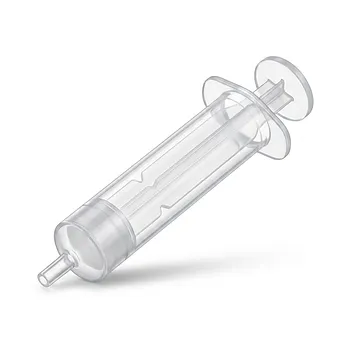
- Corrosion Resistant PFA Syringe Translucent Visual Fluoropolymer Labware 10ml Chemical Handling Tool
- High Purity PFA Chromatography Column with Collection Bottle Corrosion Resistant Fluoropolymer Filtration System for Trace Analysis
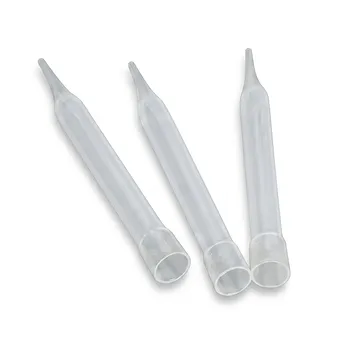
- Reusable FEP Pipette Tips Corrosion Resistant Fluoropolymer Labware Compatible with 5ml Pipettors
- PFA Laboratory Pipette Tips High Purity Fluoropolymer Pipetting Tubes for Electronic Pipettors Customizable Teflon Suction Tubes
- PTFE Distillation Condensation Apparatus High Temperature Hydrofluoric Acid Resistant Fluorination Reaction Flask
People Also Ask
- Why do PFA fluoropolymer laboratory products offer different melt-processability and structural toughness compared to standard PTFE labware?
- Which material characteristics make fluoropolymers suitable for lithium-ion battery separators, and how do fluoropolymer laboratory supplies support separator performance testing?
- Why use PTFE/PFA for pH adjustment in dye studies? Ensure chemical purity and reliable adsorption data accuracy.
- How do the chemical properties of fluorinated materials support specialized processing requirements in semiconductor cleanrooms and analytical labs? Discover high-purity PTFE/PFA solutions.
- Why might incorporating fluorine into a fluoropolymer backbone not always lead to a noticeable increase in surface hydrophobicity or water contact angle?