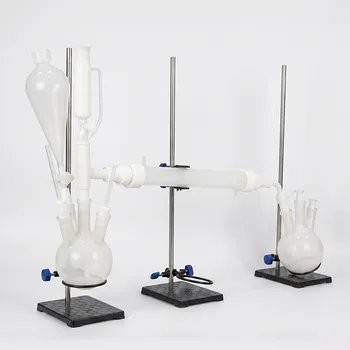
PFA is generally the stronger choice for high-temperature chemical laboratory equipment. It combines chemical inertness comparable to FEP with a higher continuous-use temperature, typically up to 260 °C, while FEP is generally limited to approximately 200-205 °C. PFA also provides greater tensile strength, creep resistance, melt strength, and resistance to stress cracking, making it better suited to vessels, tubing, fittings, and fluid-control components exposed to sustained heat and mechanical loading.
PFA offers greater thermal and mechanical headroom than FEP, while both provide excellent chemical resistance and melt-processability. FEP remains a practical choice for moderate-temperature applications where flexibility, electrical insulation, and cost are more important than maximum temperature or long-term mechanical durability.
Where PFA Gains an Advantage
Higher Continuous-Use Temperature
PFA can support continuous service at temperatures up to approximately 260 °C, comparable to the thermal endurance associated with PTFE. FEP typically supports continuous operation only to about 200-205 °C, after which its mechanical properties deteriorate more quickly.
This difference matters in heated reaction vessels, digestion equipment, high-temperature tubing, and fluid fittings. A component that operates close to FEP's temperature limit may soften, deform, or lose sealing reliability over time.
Greater Thermal Stability
PFA has a higher melting range, commonly reported around 300-310 °C, while FEP generally melts in the region of 250-280 °C, depending on grade and formulation.
Melting temperature is not the same as safe operating temperature, but the higher thermal threshold gives PFA more resistance to softening and dimensional change during elevated-temperature service.
Better Resistance to Stress Cracking
PFA contains perfluoroalkyl vinyl ether comonomers that introduce ether linkages into the polymer structure. These linkages reduce steric strain in the main chain and contribute to improved resistance to stress cracking.
In laboratory equipment exposed simultaneously to aggressive chemicals, heat, pressure, and flexing, this can extend service life and reduce the risk of cracks, leaks, and premature replacement.
Mechanical Performance in Laboratory Equipment
Higher Tensile Strength
Representative data place PFA's tensile strength around 31 MPa, or approximately 4,500 psi, compared with about 21 MPa, or approximately 3,000 psi, for FEP.
Actual values vary by resin grade, processing method, temperature, and test conditions. Nevertheless, PFA generally retains greater mechanical robustness when used in demanding fluid-handling hardware.
Better Creep and Flexural Resistance
Both PFA and FEP are flexible fluoropolymers, but PFA generally offers better resistance to creep, repeated flexing, and deformation under load. Its higher melt strength helps components maintain their shape when subjected to pressure and heat.
PFA is also reported to provide substantially better repeated-bending endurance than FEP. This is important for flexible tubing, valve diaphragms, moving connections, and assemblies that experience thermal cycling or repeated manipulation.
Comparable Elongation With Greater Load Capacity
PFA commonly provides elongation at break of roughly 300%, while FEP is often reported near 290%. These figures indicate that both materials can deform substantially before rupture.
The more meaningful distinction for many laboratory designs is PFA's higher tensile strength and improved resistance to creep. A material can remain highly elongating while still differing significantly in its ability to maintain dimensions under sustained stress.
Chemical and Surface Properties
Excellent Chemical Resistance
Both PFA and FEP provide very high resistance to aggressive chemicals and solvents. Neither material is normally selected for its mechanical strength alone; their value comes from combining chemical inertness with useful thermal and fabrication properties.
PFA is particularly attractive for high-purity vessels, reagent containers, tubing, fittings, valves, and fluid-control components where contamination and chemical attack must be minimized.
Lower Permeability With PFA
PFA generally offers lower water-vapor permeability than FEP. The practical significance depends on wall thickness, temperature, pressure, chemical exposure, and the specific grade.
For high-purity chemical handling, lower permeability can help reduce unwanted transport through tubing or vessel walls, although the complete system design still determines actual containment performance.
Low Friction and Non-Stick Behavior
PFA and FEP both have low coefficients of friction and non-stick surfaces. PFA generally provides slightly lower friction than FEP, although PTFE typically remains the benchmark when the lowest possible friction is the primary requirement.
For laboratory equipment, these properties help reduce residue retention and support easier cleaning. Abrasive cleaning tools should still be avoided because fluoropolymer surfaces can be scratched.
Processing and Equipment Design
PFA Supports Complex Molded Components
PFA is fully melt-processible, allowing it to be injection molded or extruded into complex geometries. This supports the manufacture of seamless vessels, intricate fittings, valves, tubing, and customized fluidic components.
Smooth, non-porous molded surfaces are valuable in high-purity laboratory systems because they reduce crevices and simplify cleaning compared with some assembled or mechanically finished designs.
FEP Remains Useful for Moderate-Temperature Systems
FEP is also melt-processible and can provide excellent flexibility, chemical resistance, transparency, and electrical insulation. It is well suited to fluid handling systems that remain comfortably below its approximately 200-205 °C continuous-use range.
Its lower temperature capability is not a defect when the application is properly specified. It becomes a limitation when the equipment must sustain high temperatures while also carrying mechanical loads.
Temperature, Load, and Chemical Exposure Must Be Evaluated Together
A material's nominal temperature rating does not guarantee performance under every laboratory condition. Continuous exposure to heat, internal pressure, bending, aggressive solvents, and thermal cycling can reduce the practical service limit.
The correct comparison is therefore not simply “260 °C versus 205 °C.” It is whether the selected material can maintain dimensional stability, seal integrity, and resistance to cracking under the complete operating envelope.
Understanding the Trade-offs
FEP May Be Adequate and More Economical
For moderate-temperature tubing, liners, containers, and electrically insulating components, FEP may provide sufficient performance without the additional thermal and mechanical capability of PFA.
Selecting PFA where the equipment never approaches FEP's operating limit can increase material cost without delivering a meaningful operational benefit.
PFA Is Not the Best Material for Every Mechanical Requirement
PFA is mechanically more robust than FEP in many high-temperature applications, but it is still a fluoropolymer rather than a rigid engineering plastic. It can deform under sustained load, particularly at elevated temperature, so wall thickness, support, pressure, and sealing geometry remain important.
Designers should not treat the maximum continuous-use temperature as a pressure rating or assume that chemical compatibility eliminates the need for mechanical analysis.
Data Must Be Confirmed for the Specific Grade
Published tensile strength, elongation, permeability, melting range, and electrical values vary among manufacturers and grades. Processing history and test temperature can also materially affect results.
For critical equipment, the supplier's grade-specific data should take precedence over generic comparison tables, especially for pressurized systems, trace-analysis vessels, and repeated thermal cycling.
Electrical Performance Can Favor FEP
Both materials provide excellent dielectric properties, with dielectric constants near 2.1 under commonly cited test conditions. Some comparative data report higher dielectric strength for FEP than for PFA.
This difference may matter in specialized electrochemical or high-voltage laboratory equipment, although thermal and mechanical requirements should be assessed first when the component is exposed to aggressive chemicals and elevated temperatures.
Making the Right Choice for Your Goal
The selection should be based on the highest combined thermal, chemical, mechanical, and purity demands of the equipment.
- If your primary focus is maximum temperature and service life: Choose PFA because its approximately 260 °C continuous-use capability and stronger resistance to creep, flexing, and stress cracking provide greater operating margin.
- If your primary focus is moderate-temperature fluid handling: Choose FEP when operating temperatures remain below approximately 200-205 °C and its flexibility and chemical resistance meet the design requirements.
- If your primary focus is complex, high-purity molded equipment: Choose PFA because melt-processability supports seamless vessels, fittings, valves, and customized geometries with smooth, non-porous surfaces.
- If your primary focus is electrical insulation: Compare the specific grades, since FEP may provide higher dielectric strength while still offering excellent chemical resistance.
For high-temperature chemical laboratory equipment, PFA is the safer default when long-term mechanical integrity and thermal margin are critical, while FEP is appropriate when the application remains within its lower temperature and loading limits.
Summary Table:
| Property | PFA | FEP |
|---|---|---|
| Continuous Use Temperature | ~260°C | ~200-205°C |
| Melting Range | ~300-310°C | ~250-280°C |
| Tensile Strength | ~31 MPa (~4500 psi) | ~21 MPa (~3000 psi) |
| Elongation at Break | ~300% | ~290% |
| Stress Cracking Resistance | Excellent | Good |
| Creep Resistance | Excellent | Good |
| Flexibility | Good | Excellent |
| Chemical Resistance | Excellent | Excellent |
| Water Vapor Permeability | Low | Higher |
| Dielectric Strength | Good | Better |
Discover the Ideal Fluoropolymer Solution for Your Lab
At KINTEK, we specialize in high-performance fluoropolymers, crafting laboratory supplies exclusively from PTFE and PFA. Our products are engineered to withstand extreme temperatures and corrosive chemicals, ensuring your equipment performs reliably under demanding conditions.
From everyday labware to complex custom components, our end-to-end CNC machining capabilities deliver precision and durability. Benefit from our expertise in selecting the right material for your application, ensuring optimal performance and longevity.
Contact us today to discuss your specific requirements and elevate your laboratory's capabilities. Get in Touch
Related Products
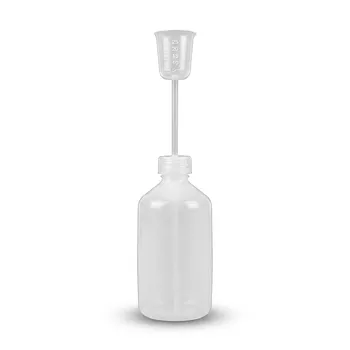
- Corrosion Resistant PFA Bottle Top Dispenser Translucent Squeeze Liquid Extraction System for Ultra Pure Chemical Handling
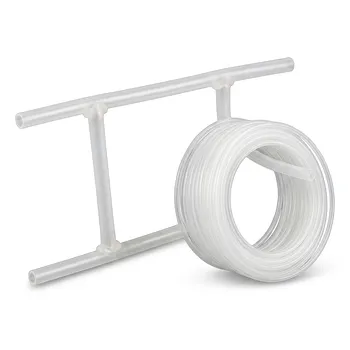
- Corrosion Resistant High Purity PFA Valve and Weldable Transparent Tubing for Semiconductor Fluid Transfer
- Corrosion Resistant PFA Tubing 1/4 Inch Custom Molded Welded Fluid Transfer Components
- Custom PFA Tubing 1/4 Inch High Purity Corrosion Resistant Fluoropolymer Tube with Welding and Machining Services
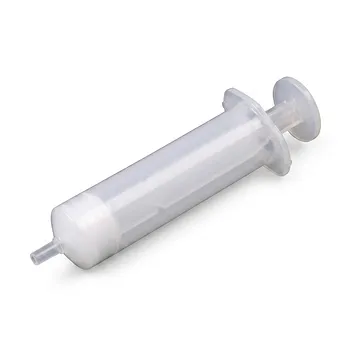
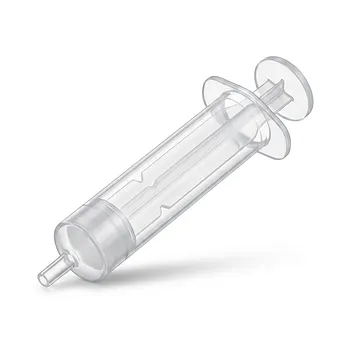
- Corrosion Resistant High Purity PFA Syringe Translucent Chemical Sampling Tool
People Also Ask
- Why use high-purity PFA bottles for Carbon Quantum Dots? Ensure Ink Stability and Prevent Fluorescence Quenching
- Why is the use of high-purity PFA sampling bottles necessary for trace element analysis? Ensure PPT Accuracy
- How does high-purity PFA tubing maintain reagent purity? Achieve Ultra-Smooth, Zero-Contamination Fluid Transfer
- How do PTFE and PFA liquid handling tools optimize phase separation and intermediate extraction in fluorinated polymer synthesis? Discover key benefits and best practices.
- Why are high-purity PFA fluid transfer components preferred for battery electrolytes? Ensure Purity & Data Accuracy