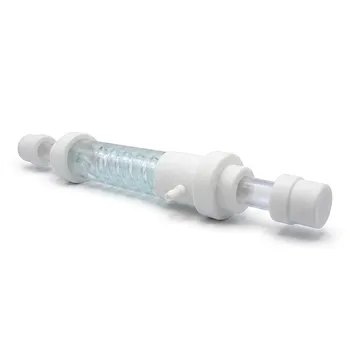
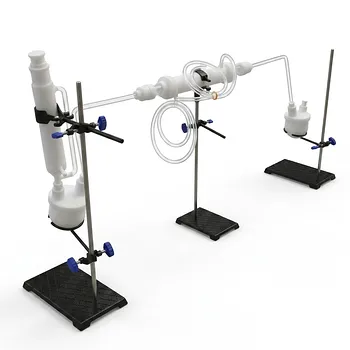
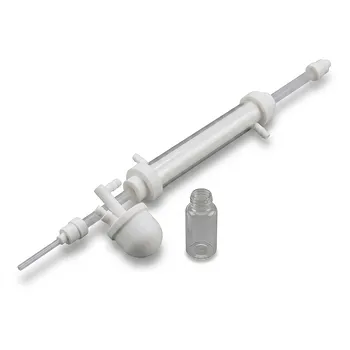
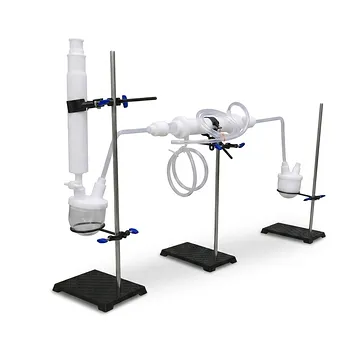
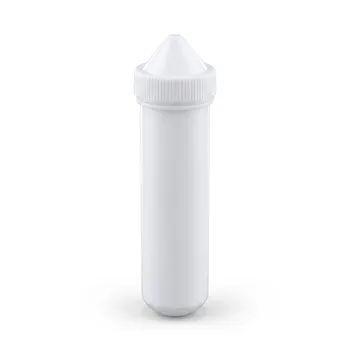
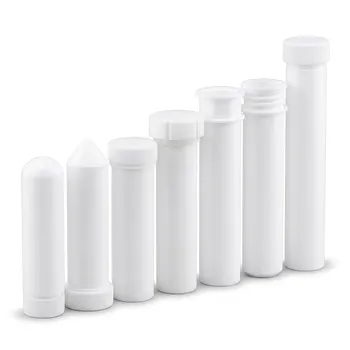
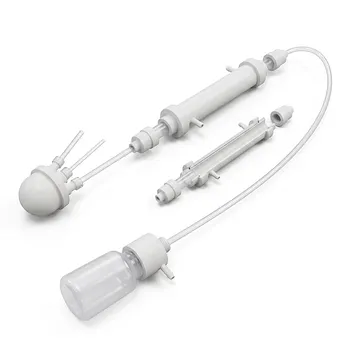
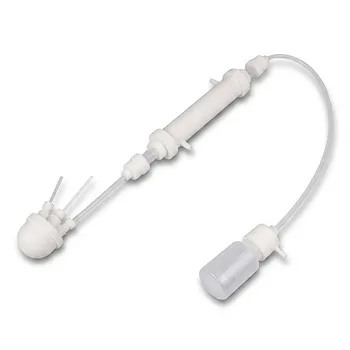
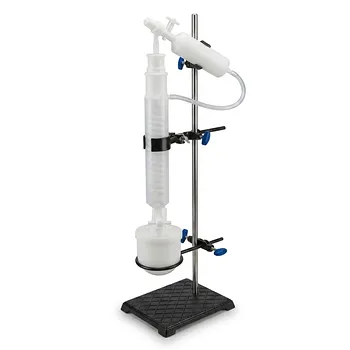
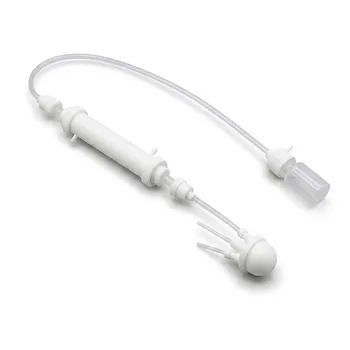
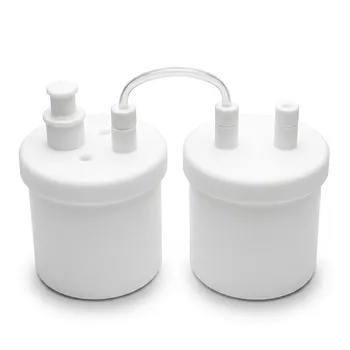
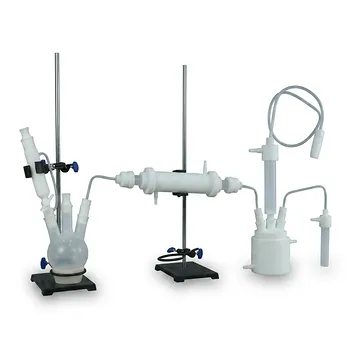
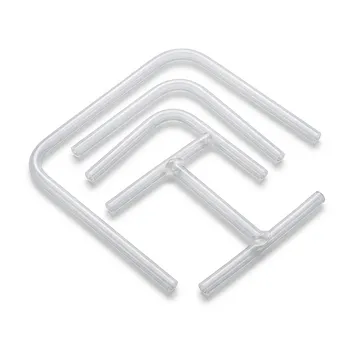
A PTFE condenser tube is a high-performance heat-transfer component designed for extreme environments. Its primary function is to condense vapors into liquids within heat-exchange systems, particularly where fluids are highly corrosive, high-temperature, or require ultra-high purity. It is composed of Polytetrafluoroethylene (PTFE), a synthetic fluoropolymer consisting entirely of carbon and fluorine atoms.
PTFE condenser tubes serve as a robust alternative to metal or glass, utilizing the material's total chemical inertness to facilitate phase changes in aggressive or ultrapure chemical processes.
The Material Composition of PTFE Tubes
The Fluoropolymer Foundation
PTFE is a high-molecular-weight linear fluoropolymer. The strength of the carbon-fluorine bond provides the material with its hallmark chemical inertness and exceptional thermal stability.
Resin Variations
These tubes are typically fabricated from virgin or modified PTFE resins. This ensures the material remains free from additives that could leach into the process fluid, maintaining the integrity of the chemical environment.
Surface Characteristics
The composition results in a non-stick surface with low friction. This physical property is critical for reducing particle entrapment and preventing the formation of "dead-legs" where contaminants could accumulate.
Primary Functions in Industrial Systems
Phase Change and Heat Transfer
The central role of the tube is to facilitate vapor-to-liquid condensation. It acts as a thermal barrier that allows heat to move from the vapor to a cooling medium (like water or glycol) circulating on the opposite side of the tube wall.
Contamination Control
In industries like semiconductor manufacturing, these tubes manage ultrapure etchants and deionized water. Because PTFE is inert, it prevents ionic or particulate contamination that would otherwise destroy sensitive silicon wafers.
Corrosion Resistance
PTFE condenser tubes are deployed specifically where metallic tubes (such as stainless steel or copper) would suffer from rapid oxidation or chemical attack. They are the standard choice for handling aggressive acids like nitric or hydrofluoric acid.
Common Configurations and Deployments
Shell-and-Tube Designs
In large-scale industrial settings, a bundle of parallel PTFE tubes is often housed within a shell. Typically, the coolant flows inside the tubes while the vapor occupies the shell side to maximize the surface area for condensation.
Immersed and Coiled Tubes
For laboratory reflux or small-scale processing, a single coiled PTFE tube may be submerged directly into a chemical bath. This configuration is highly effective for localized cooling and space-saving applications.
Integration with Digestion Systems
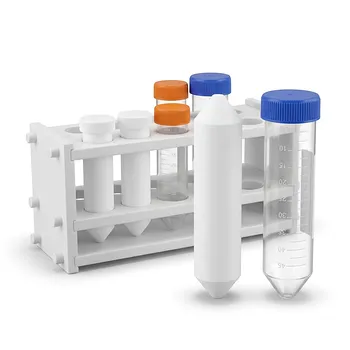
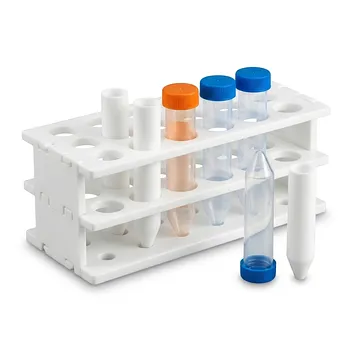
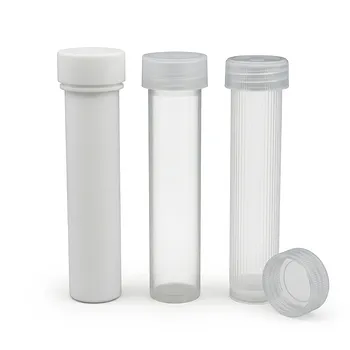
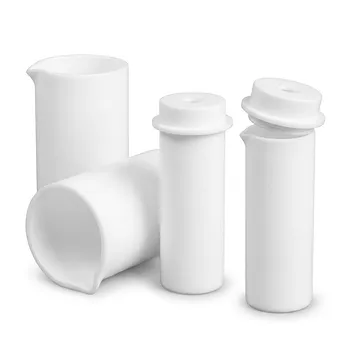
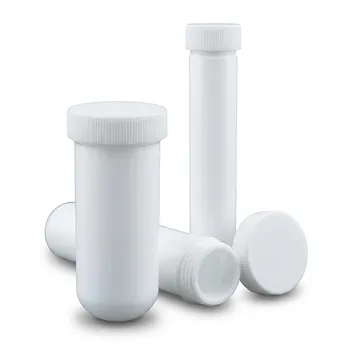
While condenser tubes focus on heat exchange, the same material properties allow PTFE to be used in digestion tubes. These containers decompose complex samples using aggressive reagents at high temperatures prior to elemental analysis.
Understanding the Trade-offs
Thermal Conductivity
PTFE has significantly lower thermal conductivity than metals like copper or aluminum. To compensate for this, PTFE tubes are often designed with thinner walls or increased surface areas to achieve the necessary heat transfer rates.
Mechanical Limitations
While thermally stable, PTFE is a "soft" plastic compared to alloys. It is more susceptible to mechanical deformation under extreme pressure or physical impact, requiring careful support within the heat exchanger housing.
Cost Considerations
The specialized manufacturing process and the cost of raw fluoropolymer resins make PTFE tubes a higher initial investment than glass or standard metals. They are chosen based on their long-term reliability and the avoidance of frequent replacement costs.
Making the Right Choice for Your Goal
How to Apply This to Your Project
- If your primary focus is Chemical Longevity: Prioritize PTFE over stainless steel when handling aggressive mineral acids to prevent frequent tube failures and leaks.
- If your primary focus is Ultra-High Purity: Utilize PTFE condenser tubes in semiconductor or pharmaceutical lines to ensure sub-ppb (parts per billion) purity levels.
- If your primary focus is High-Temperature Stability: Ensure the specific grade of PTFE resin is rated for your process peak to maintain structural integrity during thermal cycling.
PTFE condenser tubes are the definitive solution for thermal management in environments where material purity and chemical resistance cannot be compromised.
Summary Table:
| Feature | Description | Key Benefit |
|---|---|---|
| Composition | High-molecular-weight virgin/modified PTFE | Absolute chemical inertness and zero leaching. |
| Primary Function | Vapor-to-liquid phase change (condensation) | Facilitates efficient heat transfer in aggressive environments. |
| Corrosion Resistance | Resistant to concentrated acids (HF, Nitric, etc.) | Long service life in conditions that destroy glass or metal. |
| Purity Level | Ultra-high purity, non-stick surface | Prevents ionic contamination and particle entrapment. |
| Design Options | Shell-and-tube, coiled, or immersed | Adaptable to industrial scales or localized lab cooling. |
Elevate Your Lab Performance with KINTEK’s Fluoropolymer Expertise
When your research demands absolute purity and uncompromising durability, KINTEK delivers. We specialize in high-performance fluoropolymer solutions, offering an extensive range of laboratory supplies crafted from PTFE and PFA.
Whether you need everyday essentials—such as beakers, crucibles, and reagent bottles—or specialized components like PTFE condenser tubes, high-purity filtration tools, and advanced electrochemical cells, we have you covered. Our capabilities extend to:
- General Labware: Digestion tubes, separatory funnels, and fluid transfer fittings.
- Advanced Apparatus: Battery testing fixtures, hydrothermal synthesis liners, and microchannel reactors.
- Bespoke Fabrication: End-to-end custom CNC machining for non-standard parts and complex laboratory setups.
Don't settle for standard materials when you can have the precision of KINTEK. Contact us today to discuss your custom project or high-volume order and see how our expertise in high-performance materials can optimize your chemical processes.
Related Products
- Custom PTFE Condenser Tube 100ml Serpentine and Straight Fluoropolymer Laboratory Heat Exchanger with Flask Adapters
- Custom PTFE Condenser Tube Hydrofluoric Acid Resistant Reflux Device Constant Pressure Separatory Funnel
- Custom PTFE Condenser Tube Reflux Reaction Condensation Purification Device Semiconductor Chemical Lab Equipment
- Custom PTFE Condensation Device Reflux Condenser Tube Fluoropolymer Heat Exchanger Chemical Resistant Laboratory Apparatus
- High Purity PTFE Digestion Tubes and Custom Centrifuge Tubes 100ml for Trace Analysis and Chemical Digestion
People Also Ask
- How do PTFE condenser tubes perform in flue-gas cleaning? High-Resistance Solutions for Waste-Treatment Efficiency
- What are the temperature and pressure limitations for PTFE condenser tubes? Master PTFE Safety & Performance Limits
- How do PTFE condenser tubes address the challenge of low thermal conductivity? Geometric Optimization & Thin-Wall Design
- What are the typical configurations for PTFE condenser tubes in industrial applications? Expert Design Guide
- What are the three steps of heat transfer involved in the operation of a PTFE condenser tube? Optimize Thermal Efficiency