The primary application of a hydrothermal synthesis vessel in the preparation of quantum dot sensitized solar cells (QDSSCs) is the growth of nanostructured metal oxide photoanodes. These vessels create a controlled environment of high temperature and high pressure to synthesize frameworks, such as titanium dioxide (TiO2) or zinc oxide (ZnO). This specialized process results in a high specific surface area that allows for superior loading of quantum dots, directly enhancing the cell's photocurrent density and overall energy conversion efficiency.
Core Takeaway: Hydrothermal synthesis vessels are indispensable for engineering the porous, high-surface-area metal oxide architectures required to maximize quantum dot sensitization and optimize the electrical output of next-generation solar cells.
Engineering the Photoanode Framework
Growth of Metal Oxide Nanostructures
The vessel provides the extreme thermal and barometric conditions necessary to grow TiO2 or ZnO directly onto substrates. This hydrothermal method allows for the formation of complex, nanostructured geometries that cannot be achieved through standard atmospheric processing.
Maximizing Specific Surface Area
By utilizing high-pressure environments, the process creates porous framework structures. A higher surface area provides more "real estate" for quantum dots to attach, which is a critical factor in how much light the solar cell can eventually capture.
Facilitating Uniform Sensitization
The framework produced in these vessels ensures that quantum dots are distributed uniformly throughout the film. Effective sensitization prevents "clumping" and ensures that each quantum dot can contribute to the generation of electron-hole pairs.
Synthesis of Carbon Quantum Dots (CQDs)
Chemical Transformation of Precursors
Beyond the photoanode, these reactors are used to convert precursors like lignin or glucose into Carbon Quantum Dots. The closed system facilitates the dehydration and carbonization reactions required for these materials to exhibit quantum size effects.
Surface Functionalization
The high-pressure environment promotes the development of specific surface functional groups on the CQDs. These groups are vital for the chemical stability of the dots and their ability to interface effectively with other components in the solar cell.
The Critical Role of Vessel Integrity
Protecting Against Corrosive Media
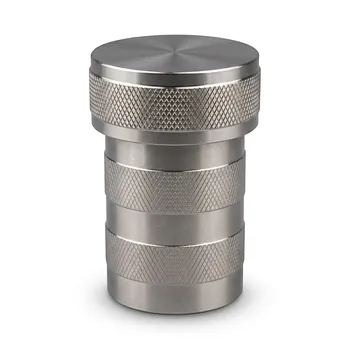
Hydrothermal reactions often involve aggressive chemical agents that become highly reactive at elevated temperatures. The internal lining (typically PTFE or PPL) acts as a critical barrier to prevent the medium from attacking the stainless-steel outer shell.
Preventing Sample Contamination
A stable, inert lining ensures that no metallic ions from the vessel leach into the reaction. Maintaining chemical purity is essential for QDSSCs, as even trace contaminants can create recombination centers that significantly lower solar cell efficiency.
Understanding the Trade-offs
Thermal and Pressure Limitations
While hydrothermal synthesis offers superior structural control, it is limited by the thermal thresholds of the vessel's lining. Exceeding these limits can lead to lining deformation or "creeping," which risks catastrophic failure of the pressurized system.
Complexity of Kinetic Control
Achieving the "perfect" nanostructure requires precise timing and temperature management. Small fluctuations in the hydrothermal environment can lead to inconsistent crystal growth, resulting in photoanodes that vary in performance from batch to batch.
Applying This Technology to Your Project
Recommendations for Implementation
Success in QDSSC fabrication depends on matching your vessel parameters to your specific material goals.
- If your primary focus is maximizing light harvesting: Use the hydrothermal vessel to prioritize the growth of high-porosity TiO2 structures to increase the density of quantum dot loading.
- If your primary focus is material purity and longevity: Ensure your vessel utilizes a high-grade inert lining and conduct regular inspections for stress-corrosion cracking in the outer shell.
- If your primary focus is synthesizing CQDs from organic waste: Focus on precise pressure control during the dehydration phase to ensure uniform carbonization and functionalization.
By mastering the high-pressure environment of the hydrothermal synthesis vessel, researchers can unlock the structural precision required to push quantum dot solar technology toward commercial viability.
Summary Table:
| Application | Materials & Process | Key Benefit to Solar Cells |
|---|---|---|
| Photoanode Growth | TiO2/ZnO nanostructuring at high pressure | High specific surface area for maximum QD loading. |
| CQD Synthesis | Dehydration/carbonization of organic precursors | Precise quantum size effects and functionalization. |
| Purity Maintenance | Inert PTFE/PPL internal vessel linings | Prevents ion leaching and recombination centers. |
| Structural Control | Precise kinetic & barometric management | Uniform sensitization and consistent cell performance. |
Elevate Your Nanomaterials Research with KINTEK
Precision in quantum dot synthesis and photoanode engineering requires equipment that stands up to the most demanding chemical and thermal environments. KINTEK specializes in high-performance fluoropolymer solutions designed specifically for advanced laboratory applications.
From PTFE and PFA hydrothermal synthesis liners and microwave digestion vessels to everyday high-purity labware like beakers, crucibles, and reagent bottles, we ensure your samples remain free from contamination. Our expertise extends to comprehensive fluid transfer components (tubing, valves, fittings) and bespoke end-to-end custom CNC fabrication for non-standard machined parts and complex laboratory setups.
Whether you need high-volume consumables or a custom-engineered reaction apparatus, KINTEK delivers the durability and chemical inertness your research demands.
Contact us today to discuss your custom laboratory needs and see how our fluoropolymer expertise can drive your next solar energy breakthrough.
References
- Arjan J. Houtepen, Zeger Hens. Colloidal quantum dots for optoelectronics. DOI: 10.1038/s43586-025-00413-y
This article is also based on technical information from Kintek Knowledge Base .
Related Products
- PTFE Lined High Pressure Digestion Vessel 50ml High Temperature Hydrothermal Synthesis Tank
- High Temperature Corrosion Resistant Hydrothermal Synthesis Reactor with TFM Inner Liner and Straight Cylinder Design
- High Purity PFA Reaction Vessel for Biopharmaceutical Synthesis and Corrosive Chemical Fluid Handling with Customizable Tube Fittings
- High Temperature PTFE Reaction Flask 1000ml Single Neck Round and Flat Bottom Laboratory Bottle
- High Pressure Custom TFM Reactor Stainless Steel Outer Vessel PTFE Inner Cup for Corrosive Synthesis
People Also Ask
- What are the benefits of using a PTFE-lined vessel for carbon-sulfur cathode treatment? Maximize Purity & Performance
- Why are PTFE-lined pressure digestion vessels required for the preparation of Ag/CeO2 catalysts? Purity & Performance
- What safety features are typically incorporated into high-pressure PTFE digestion vessel designs? Ensure Lab Safety
- What is the function of PTFE lined high-pressure vessels in g-C3N4 synthesis? Achieve High-Purity Material Growth
- Role of High-Pressure Digestion Tanks in Perovskite Synthesis: Achieve Superior Stability and Latent Heat