The macromolecular substitution route builds a reactive polymer backbone first, then installs fluorinated side groups afterward. For polyorganophosphazene-based fluoropolymers, the process typically begins by forming poly(dichlorophosphazene) through thermal ring-opening polymerization or living cationic polymerization. Chlorine atoms on that backbone are then replaced by nucleophilic reagents such as fluoroalkoxides, allowing the final polymer to be tailored for specific chemical, thermal, mechanical, and fluid-handling requirements.
Core takeaway: Macromolecular substitution separates backbone formation from side-group design. That separation makes it possible to tune one high-performance polymer platform for demanding applications such as corrosive-fluid transfer, high-purity laboratory equipment, and custom-machined fluoropolymer components.
How the Macromolecular Substitution Route Works
Building the Reactive Backbone
The first stage is the synthesis of a linear, reactive intermediate, commonly poly(dichlorophosphazene). Its phosphorus-nitrogen backbone contains chlorine substituents that can later participate in substitution reactions.
This intermediate can be assembled through thermal ring-opening polymerization or living cationic polymerization. The result is a polymer framework prepared for controlled chemical modification.
Replacing Chlorine with Fluorinated Groups
In the second stage, nucleophilic reagents attack the reactive sites along the backbone. Fluoroalkoxides are one example of reagents that can replace chlorine atoms and introduce fluorinated organic side groups.
The resulting polyorganophosphazene can contain different side-group compositions along the same fundamental backbone. This is the defining feature of the route: polymer architecture and side-group chemistry are designed in separate steps.
Adjusting the Final Polymer Profile
Changing the identity and proportion of the substituents can alter properties such as:
- Surface energy and wettability
- Elasticity and flexibility
- Thermal stability
- Chemical inertness
- Resistance to aggressive reagents
This makes the method useful when a standard fluoropolymer does not provide the right combination of flexibility, chemical resistance, purity, or processing behavior.
Why This Matters for Fluid Handling
Matching Materials to Specific Chemicals
Fluid-handling systems often encounter acids, bases, solvents, oxidizing agents, or fluorinated process chemicals. A material selected only by its general label, such as “fluoropolymer,” may not offer the best performance against every reagent or operating condition.
Macromolecular substitution enables the side-group chemistry to be adjusted for the intended chemical environment. That supports more deliberate material selection for tubing, valves, vessels, transfer lines, and seals.
Combining Chemical Resistance with Mechanical Requirements
Chemical inertness alone is not enough for practical equipment. Components may also need flexibility, dimensional stability, impact resistance, or resistance to deformation at elevated temperatures.
Because the backbone remains a design platform while the side groups are varied, the material can be tuned toward a more useful balance of chemical resistance and mechanical behavior.
Supporting High-Purity Transfer
High-purity fluid systems must minimize contamination, extractables, and unwanted interactions between the fluid and the equipment surface. Fluorinated substituents can contribute to low surface energy and chemical inertness, while controlled synthesis can support a material profile suited to demanding transfer applications.
The polymer chemistry is only part of the purity equation. Processing, machining, cleaning, joining, and quality control also determine whether a finished component is appropriate for high-purity service.
Why This Matters for Laboratory Equipment
Designing Specialized Labware
Laboratory equipment is often exposed to unusual combinations of temperature, pressure, corrosive chemicals, and cleanliness requirements. Off-the-shelf materials may force users to accept compromises in durability or chemical compatibility.
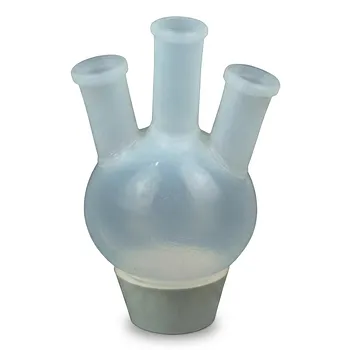
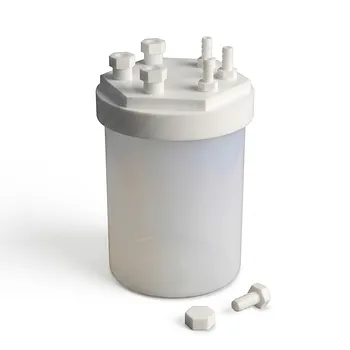
A tailored fluoropolymer can be developed for a specific use case, including reaction vessels, digestion containers, fluid-transfer components, corrosion-resistant valves, and custom-machined apparatus.
Handling Aggressive Fluorinated Chemistry
Fluorinated monomers and solvents can be chemically demanding. Equipment used during synthesis and processing therefore needs suitable resistance to corrosion, swelling, contamination, and degradation.
PTFE and PFA components are examples of fluoropolymer equipment used in such environments. Tailored polyorganophosphazenes extend the broader design principle by allowing material chemistry to be adjusted for specialized requirements.
Enabling Custom Geometries
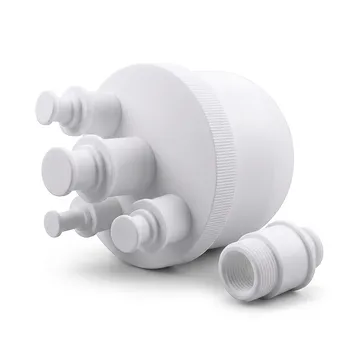
Custom laboratory systems rarely consist only of standard vessels and tubing. They may require complex manifolds, fittings, channels, connectors, or machined holders.
A material platform with tunable elasticity, surface properties, and chemical resistance gives equipment designers more freedom to match the polymer to the required geometry and operating conditions.
Understanding the Trade-offs
The Route Is Not Universal for Every Fluoropolymer
Macromolecular substitution is especially relevant to polymers with reactive sites suitable for post-polymerization modification, such as poly(dichlorophosphazene). It should not be presented as the standard synthesis route for all fluoropolymers.
Many established fluoropolymers are made directly from fluorinated monomers using techniques such as emulsion polymerization, supercritical carbon dioxide emulsion polymerization, or electrochemical polymerization.
Greater Flexibility Requires Greater Process Control
The substitution stage must be controlled carefully to achieve the intended composition and uniformity. Incomplete or uneven substitution can produce variations in local chemical resistance, flexibility, surface behavior, or thermal performance.
Material characterization and process validation are therefore essential before using a tailored polymer in critical equipment.
Customization Can Increase Qualification Burden
A specialized polymer may provide a better technical fit, but it can require additional testing for chemical compatibility, extractables, thermal aging, mechanical durability, and manufacturing consistency.
Standard materials may be easier to source and qualify, even when they are less precisely optimized for the application.
Equipment Materials Must Be Chosen as a System
The polymer is not the only variable. Seals, valves, tubing, vessel walls, fittings, machining methods, cleaning procedures, and connection technologies all affect system performance.
A chemically resistant polymer can still fail operationally if the component design creates excessive stress, poor sealing, contamination, or inadequate temperature control.
Making the Right Choice for Your Goal
The most effective selection process starts by defining the actual fluid, temperature, pressure, purity level, mechanical load, and expected service life.
- If your primary focus is chemical resistance: Use macromolecular substitution to select fluorinated side groups that better match the specific reagents and operating environment.
- If your primary focus is high-purity fluid handling: Evaluate the complete material and manufacturing system, including extractables, surface condition, cleaning, machining, and component qualification.
- If your primary focus is mechanical flexibility: Adjust the polymer composition to balance elasticity with thermal stability and chemical inertness.
- If your primary focus is custom laboratory equipment: Treat the tailored fluoropolymer as a design platform for specialized vessels, transfer components, valves, and machined apparatus.
- If your primary focus is production efficiency: Compare the added synthesis and qualification requirements with the cost of failures, contamination, corrosion, or premature replacement.
Macromolecular substitution is advantageous because it turns a reactive polymer backbone into a customizable materials platform, allowing fluoropolymer equipment to be designed around the demands of the fluid and the process rather than around the limitations of a fixed material.
Summary Table:
| Aspect | Macromolecular Substitution | Traditional Direct Synthesis |
|---|---|---|
| Process | Build backbone, then attach fluorinated groups | Polymerize fluorinated monomers directly |
| Customization | High tunability of side groups | Limited to monomer selection |
| Flexibility | Adjustable mechanical and chemical properties | Fixed properties |
| Control | Requires careful substitution control | Easier to control if monomer available |
| Qualification | More testing for new tailored materials | Established qualification |
| Ideal for | Customized fluid handling, lab equipment | Standard high-performance applications |
Leverage tailored fluoropolymers for your custom fluid handling and lab equipment. At KINTEK, we specialize in high-performance PTFE and PFA products, from standard labware to custom machining. Our expertise in polymer customization ensures your components meet exact chemical, thermal, and mechanical demands. Contact us today to discuss your project and benefit from our end-to-end CNC machining capabilities, high-purity manufacturing, and supply reliability. Request a consultation and let our team support your success.
Related Products
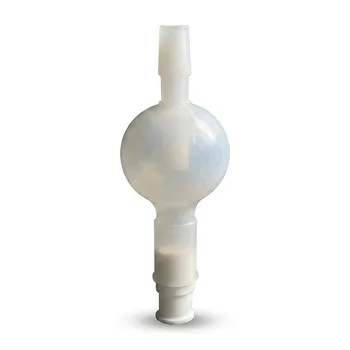
- High Purity PFA Chromatography Column with Collection Bottle Corrosion Resistant Fluoropolymer Filtration System for Trace Analysis
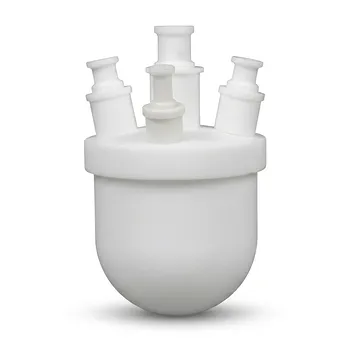
- Custom PTFE Flask 250ml High Purity Fluoropolymer Laboratory Vessel for Chemical Research
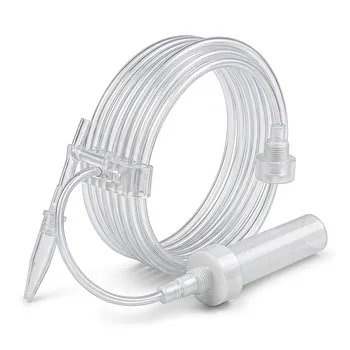
- Custom PFA Tubing 1/4 Inch High Purity Corrosion Resistant Fluoropolymer Tube with Welding and Machining Services
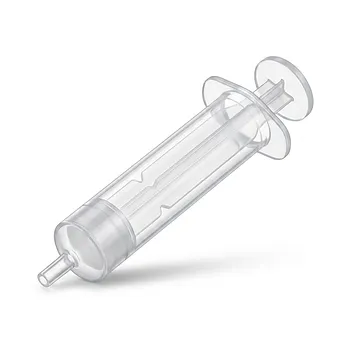
- Corrosion Resistant PFA Syringe Translucent Visual Fluoropolymer Labware 10ml Chemical Handling Tool
- Custom PTFE Reaction Tank Corrosion Resistant Fluoropolymer Chemical Processing Barrel 10L 20L 30L
People Also Ask
- Why is the chemical stability of polymer endgroups critical when selecting melt-processible fluoropolymers like PFA for high-purity laboratory apparatus? Choose Stable Endgroups for Reliable Performance
- What are the characteristics of PFA material? A Guide to Its High-Performance Balance
- Why is Perfluoroalkoxy alkane (PFA) preferred over glass or stainless steel in pharmaceutical process development? Pure Yield
- Why is PFA superior for cleaning and preventing cross-contamination? The Gold Standard for Ultra-Trace Lab Hygiene
- What are the key properties of PFA (PerFluoroAlkoxy)? A Guide to Extreme Chemical and Thermal Resistance