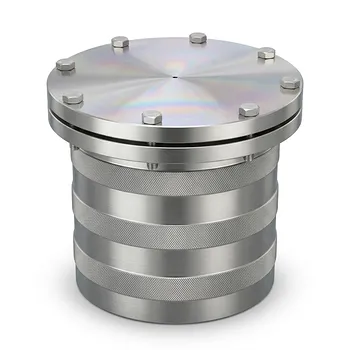
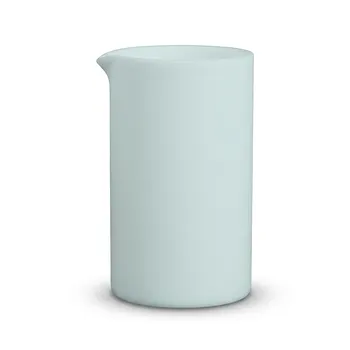
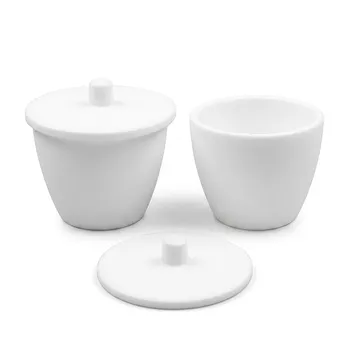
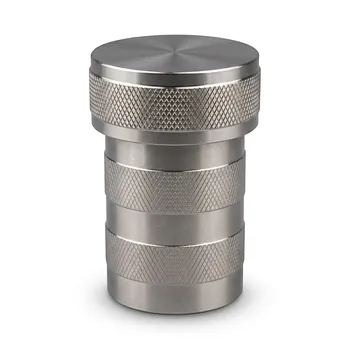
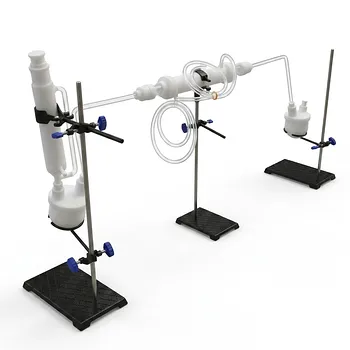
The Teflon-lined autoclave acts as a specialized pressurized reactor that creates a stable hydrothermal or solvothermal environment for the chemical reduction of graphene oxide. By providing a sealed, high-pressure, and chemically inert chamber, it enables graphene oxide to react with reducing agents at temperatures exceeding the boiling point of the solvent. This process is essential for removing oxygen-containing functional groups and facilitating the precise doping of heteroatoms like nitrogen and sulfur into the graphene lattice.
Core Takeaway: A Teflon-lined autoclave is critical for graphene synthesis because it combines high-pressure thermal processing with absolute chemical inertness, ensuring that the reduction and doping processes occur efficiently without introducing metallic contaminants from the reactor walls.
Creating the Hydrothermal Reaction Environment
Facilitating High-Pressure Conditions
The primary function of the autoclave is to maintain a sealed environment where internal pressure rises as the temperature increases. This high-pressure state allows solvents to remain liquid at temperatures far above their standard boiling points, significantly accelerating the kinetic rate of the reduction reaction.
Enhancing Thermal Stability
By controlling the internal temperature within this pressurized vessel, researchers can maintain the precise thermal energy required to break oxygen bonds in graphene oxide. This stable heat distribution is vital for the uniform transformation of graphene oxide into reduced graphene oxide (rGO).
Enabling Heteroatom Doping
The autoclave environment is particularly effective for introducing foreign atoms into the graphene structure. Under these high-pressure conditions, agents like ammonium thiocyanate or caffeine can more effectively integrate nitrogen or sulfur atoms into the carbon lattice, enhancing the material's electronic properties.
Chemical Protection and Product Purity
Superior Corrosion Resistance
The Teflon (PTFE) liner serves as a sacrificial yet highly durable barrier between the reaction chemistry and the stainless steel body of the autoclave. Many reducing agents and precursors—such as concentrated sodium hydroxide—are highly corrosive and would otherwise damage the metal vessel.
Preventing Metal Contamination
Without a Teflon liner, the harsh chemical environment inside the autoclave could leach metal ions from the reactor's steel walls. The liner ensures that the resulting graphene-based materials remain high-purity, preventing unwanted metallic impurities from interfering with the catalyst's performance.
Ensuring Structural Stability
By maintaining a consistent and isolated chemical environment, the autoclave allows for the growth of stable nanostructures. This is crucial for maintaining the structural integrity and surface area of the graphene nanosheets during the intensive reduction process.
Understanding the Trade-offs
Temperature Limitations
While Teflon is highly inert, it has a physical temperature ceiling, typically around 240°C to 260°C. Attempting to run reduction processes above these temperatures can cause the liner to soften or release toxic fumes, limiting the thermal range compared to all-metal or ceramic reactors.
Pressure Sensitivity and Sealing
The effectiveness of the autoclave depends entirely on the integrity of the seal between the Teflon liner and the autoclave cap. If the liner is deformed through over-tightening or excessive heat, the seal may fail, leading to a loss of pressure and an incomplete reduction of the graphene.
Heat Transfer Delays
Teflon is an excellent insulator, which means it does not conduct heat as quickly as the outer metal shell. This creates a lag between the temperature set on the external oven and the actual temperature of the precursor solution inside, requiring careful calibration of reaction times.
How to Apply This to Your Project
Making the Right Choice for Your Goal
- If your primary focus is high-purity electronic materials: Use a fresh Teflon liner and a slow cooling cycle to ensure no metallic ions or structural defects are introduced during the reduction.
- If your primary focus is maximum heteroatom doping (N or S): Prioritize higher temperatures (near 200°C) within the autoclave to provide the activation energy necessary for nitrogen or sulfur integration.
- If your primary focus is large-scale morphological regularity: Ensure the autoclave is filled to approximately 60-80% capacity to maintain optimal vapor pressure and consistent crystal growth.
By leveraging the unique pressurized and inert environment of a Teflon-lined autoclave, you can achieve a highly controlled, high-purity reduction process that is essential for advanced graphene applications.
Summary Table:
| Key Function | Impact on Graphene Synthesis | Critical Consideration |
|---|---|---|
| High-Pressure Containment | Facilitates hydrothermal reactions above solvent boiling points. | Maintains seal integrity for uniform reduction. |
| Chemical Inertness | Prevents metal ion leaching and ensures high product purity. | Protects stainless steel shell from corrosive agents. |
| Heteroatom Doping | Enables effective integration of Nitrogen or Sulfur into the lattice. | Requires precise thermal calibration (up to 240-260°C). |
| Thermal Insulation | Provides a stable internal environment for nanostructure growth. | Potential heat transfer lag due to Teflon's properties. |
Elevate Your Graphene Research with KINTEK’s Precision Fluoropolymers
Achieving high-purity reduced graphene oxide requires equipment that can withstand extreme chemical environments without compromising sample integrity. KINTEK specializes in high-performance fluoropolymer solutions tailored for advanced hydrothermal and solvothermal synthesis.
From our core hydrothermal synthesis liners and microwave digestion vessels to a comprehensive range of PTFE and PFA laboratory supplies—including beakers, reagent bottles, filters, and complex fluid transfer components—we provide the tools necessary for zero-contamination research.
Why choose KINTEK?
- Custom Fabrication: End-to-end CNC machining for bespoke laboratory setups and non-standard parts.
- Comprehensive Range: Everything from basic labware (crucibles, pipettes, tweezers) to advanced electrochemical cells and battery testing fixtures.
- Material Expertise: Absolute focus on high-performance PTFE and PFA for maximum corrosion resistance and thermal stability.
Ready to optimize your reduction process? Contact our technical team today to discuss your custom requirements and high-volume orders!
References
- Sthephanie J. Martínez, Elena Pastor. Ni Nanoparticles Supported on Graphene-Based Materials as Highly Stable Catalysts for the Cathode of Alkaline Membrane Fuel Cells. DOI: 10.3390/nano14211768
This article is also based on technical information from Kintek Knowledge Base .
Related Products
- Custom TFM Reaction Vessel with Stainless Steel Jacket and PTFE Inner Cup for High Corrosion Resistance
- Corrosion Resistant PTFE Digestion Tubes for Graphite Digestion Systems with Reflux Caps and Customizable Dimensions
- High Purity Corrosion Resistant Teflon Crucible Low Background Laboratory PTFE Vessel for Trace Analysis and Acid Digestion
- High Temperature Corrosion Resistant Hydrothermal Synthesis Reactor with TFM Inner Liner and Straight Cylinder Design
- High Purity Custom PTFE Laboratory Reaction Tank with Baffles for Low Background Trace Analysis
People Also Ask
- Why are high-performance pressure-resistant reaction vessels required for oxygen-assisted hydrothermal conversion at 150 °C?
- Why are high-quality fluoropolymer-lined reaction vessels required for alk-Ti3C2Tx MXene? Ensure Purity & HF Resistance
- How do magnetic stirring and reaction vessels impact MOF-derived carbon quality? Optimize Your Composite Performance
- Why are PTFE-lined reaction vessels necessary for forced degradation studies? Ensure high-purity results and accuracy.
- Why is a high-purity PTFE lined reaction vessel required for the acidic etching of MXenes? Ensure Material Purity.