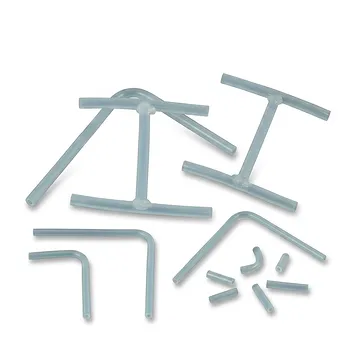
PTFE tubing is a cornerstone of the electronics industry due to its exceptional insulation properties, specifically its high dielectric strength and extremely low dielectric constant. These characteristics allow it to prevent electrical breakdown under high voltage while minimizing signal loss and capacitance in high-frequency circuits.
PTFE serves as a premier electrical insulator because it combines extreme thermal stability with near-perfect dielectric performance. This unique profile ensures that electronic components remain reliable and efficient even when subjected to high heat, moisture, or high-speed data transmission requirements.
Superior Insulation and Dielectric Performance
High Dielectric Strength for Voltage Protection
PTFE exhibits a dielectric strength ranging from 50 to 170 kV/mm, allowing it to withstand significant electrical stress without failing. In thin sections, it can insulate up to 500 volts per mil, making it ideal for compact electronic assemblies where space is at a premium.
Exceptional Volume and Surface Resistivity
With a volume resistivity exceeding $10^{16}$ to $10^{19}$ ohm-cm, PTFE effectively eliminates current leakage between conductive components. This resistance remains stable across a wide range of operating temperatures and frequencies, ensuring consistent performance in diverse environments.
Low Dielectric Constant and Dissipation Factor
PTFE features a very low dielectric constant (approximately 2.0 to 2.1) and a minimal dissipation factor (around 0.0003). These properties are critical for high-frequency applications, as they minimize capacitive loading and signal distortion in high-speed data transmission.
Stability in Extreme Environments
Thermal Endurance and Safety
The material remains thermally stable at temperatures up to 500°F (260°C), allowing it to be used near heat-generating components like transformers and motors. Additionally, its non-flammability and low smoke generation are vital for safety-critical sectors such as avionics and data centers.
Resistance to Moisture and Chemicals
Unlike materials like nylon or PVC, PTFE resists moisture penetration and chemical corrosion. This prevents the degradation of insulating properties over time, which is essential for maintaining the longevity of electrical appliances and outdoor electronics.
Mechanical Integrity in Precision Applications
Close-tolerance extruded PTFE tubing is used when machining long lengths of other materials to tight specifications is impossible. It is often machined into standoff insulators and high-voltage encapsulation devices, providing a robust physical barrier that does not degrade under electrical load.
Understanding the Trade-offs
Mechanical Creep and Cold Flow
While PTFE is an excellent insulator, it is susceptible to "cold flow" or creep, meaning it can deform under constant mechanical pressure. Engineers must account for this when designing seals or supports that are under physical stress.
Difficulty in Bonding
Due to its low surface energy, PTFE is inherently "non-stick," making it difficult to bond to other components without specialized chemical etching or mechanical fastening. This can increase the complexity and cost of the assembly process.
Cost and Processing Complexity
PTFE is generally more expensive than standard plastics like PVC or polyethylene. Its high melting point also requires specialized extrusion and fabrication techniques, which may not be necessary for low-spec consumer electronics.
How to Apply This to Your Project
Making the Right Choice for Your Goal
When selecting PTFE tubing for your electrical application, consider the primary environmental and electrical stressors:
- If your primary focus is High-Frequency Signal Integrity: Prioritize PTFE for its low dielectric constant to minimize signal attenuation and maintain high data speeds.
- If your primary focus is High-Voltage Insulation: Utilize thin-walled PTFE tubing to achieve high dielectric breakdown protection without adding significant bulk to the component.
- If your primary focus is Harsh Environment Reliability: Leverage PTFE’s chemical and moisture resistance to ensure your insulation does not become conductive or brittle over time.
By aligning these unique electrical properties with your specific operational requirements, you can ensure your electronic systems achieve maximum durability and performance.
Summary Table:
| Property | Value/Performance | Electronic Benefit |
|---|---|---|
| Dielectric Strength | 50 – 170 kV/mm | Prevents breakdown in high-voltage assemblies |
| Dielectric Constant | 2.0 – 2.1 | Minimizes signal loss & capacitive loading |
| Dissipation Factor | ~0.0003 | Ensures high-speed data transmission efficiency |
| Volume Resistivity | $10^{16}$ – $10^{19}$ ohm-cm | Eliminates current leakage between components |
| Thermal Stability | Up to 260°C (500°F) | Reliable performance near heat-generating parts |
| Chemical Resistance | Excellent | Protects insulation from moisture and corrosion |
Optimize Your Electronics with Precision KINTEK Fluoropolymers
Need reliable insulation for high-frequency circuits or high-voltage protection? KINTEK specializes in manufacturing a comprehensive range of high-performance labware and components crafted exclusively from PTFE and PFA.
From everyday basic labware like tubing, beakers, and reagent bottles to advanced high-purity trace analysis instruments and comprehensive fluid transfer components (fittings, valves, and filters), we provide the materials that the electronics industry trusts. Our expertise extends to advanced derivative apparatus, including custom electrochemical cells and microwave digestion vessels.
Why choose KINTEK?
- End-to-End Customization: Our custom CNC fabrication delivers everything from complex non-standard machined parts to bespoke laboratory setups.
- Unmatched Material Focus: Absolute focus on high-performance fluoropolymers for extreme thermal and electrical reliability.
- Scale and Quality: We are equipped for both high-volume orders and specialized one-off prototypes.
Ensure your project’s success with the industry's most reliable fluoropolymer solutions. Contact KINTEK today to discuss your custom specifications!
Related Products
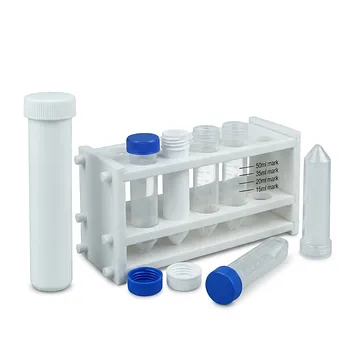
- Custom PTFE Digestion Tubes and High Purity Polytetrafluoroethylene Centrifuge Vessels 60ml for Trace Analysis
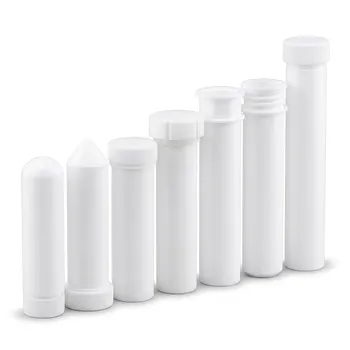
- Custom High Purity PTFE Digestion Tubes and Centrifuge Tubes for Trace Metal Analysis
- High Purity PTFE Digestion Tubes and Custom Centrifuge Tubes 100ml for Trace Analysis and Chemical Digestion
- Corrosion Resistant PTFE Digestion Tubes for Graphite Block Systems with Acid Reflux Caps Custom Dimensions
- High Purity PTFE Centrifuge Tubes for Trace Analysis Custom Laboratory Centrifugation Containers with Racks
People Also Ask
- How do PTFE digestion tubes assist in pharmaceutical and biological sample preparation? Ensure High Recovery & Purity
- What is the primary function of PTFE digestion tubes in a laboratory setting? Essential for Pure Sample Mineralization
- What are the common capacities and physical configurations available for PTFE digestion tubes? Expert Selection Guide
- How do PTFE digestion tubes minimize contamination during ultra-trace elemental analysis? Achieve high-purity results.
- How do PTFE digestion tubes facilitate the analysis of food and agricultural products? Ensure High-Purity Mineralization