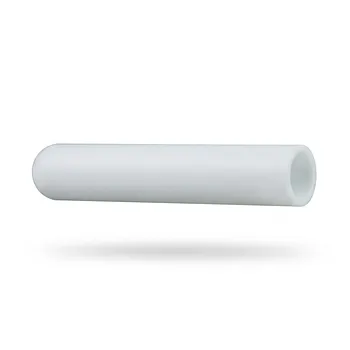
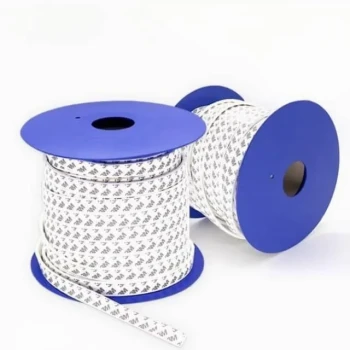
PTFE (Polytetrafluoroethylene) tubing is distinguished by its nearly universal chemical inertness, vast operating temperature range, and an exceptionally low coefficient of friction. These characteristics are a direct result of high-energy carbon-fluorine bonds that shield the polymer backbone from external reactions. In industrial settings, this material provides a non-toxic, non-stick, and highly durable conduit for everything from aggressive corrosive acids to high-purity medical fluids.
PTFE tubing serves as a "gold standard" for extreme environments because it combines chemical immunity with thermal stability from -200°C to +260°C. Its primary value lies in its ability to maintain mechanical integrity where other polymers would melt, crack, or degrade.
The Molecular Foundation of PTFE Performance
Superior Chemical and Corrosion Resistance
PTFE is almost entirely chemically inert, meaning it does not react with most industrial substances. It withstands aggressive acids, alkalis, and organic solvents that would typically dissolve or weaken other plastics.
This resistance is due to the fluorine atoms that completely surround the carbon chain, acting as a protective barrier. This makes it the ideal choice for transporting hazardous chemicals without the risk of tube degradation or fluid contamination.
High Thermal Stability and Cryogenic Integrity
The material maintains its properties over a massive operating range, typically from -200°C to +260°C. At the upper end, it resists melting and thermal aging; at the lower end, it remains flexible and resists cracking.
With a melting point of approximately 327°C, PTFE remains stable in high-heat applications like automotive engines or industrial ovens. Unlike many plastics that become brittle in sub-zero environments, PTFE retains its cryogenic integrity.
Surface Dynamics and Performance
Low Coefficient of Friction and Non-Stick Properties
PTFE possesses one of the lowest coefficients of friction of any known solid material, often compared to the slipperiness of wet ice. This "self-lubricating" quality facilitates high fluid flow rates and prevents clogs or residue buildup.
Because it has very low surface energy, the material is both hydrophobic (repels water) and oleophobic (repels oils). This makes the tubing incredibly easy to clean and prevents sticky substances from adhering to the inner walls.
Dielectric Strength and Electrical Insulation
PTFE is an outstanding electrical insulator, maintaining its dielectric properties even at high frequencies and temperatures. It resists electrical breakdown, making it valuable for protecting sensitive wiring in aerospace and electronic applications.
The material does not absorb water, which ensures that its insulating properties remain consistent even in humid or wet environments. This reliability is critical for maintaining safety in high-voltage industrial systems.
Understanding the Trade-offs
Mechanical "Creep" and Softness
While PTFE is tough, it is a relatively soft fluoropolymer and is susceptible to "creep" or cold flow under constant pressure. Over time, the material may deform if subjected to heavy mechanical loads, which can affect seal integrity in certain fittings.
Difficulty in Bonding and Assembly
The same non-stick properties that make PTFE useful also make it notoriously difficult to bond to other materials. Standard adhesives will not stick to its surface, often requiring specialized chemical etching or mechanical fasteners to secure the tubing in a system.
Pressure Limitations and Transparency
PTFE tubing is typically semi-transparent or opaque, which can make visual fluid inspection more difficult than with clear materials like PFA or PVC. Additionally, while it handles temperature well, its burst pressure ratings may be lower than reinforced synthetic rubbers or metallic hoses at extreme temperatures.
How to Apply This to Your Project
Recommendations Based on Industrial Goals
To select the right PTFE tubing, you must align the material's specific grade and diameter with your primary environmental challenges.
- If your primary focus is Chemical Purity: Utilize PTFE's inertness to prevent leaching, ensuring that the transported fluid remains uncontaminated by the tubing material.
- If your primary focus is High-Heat Fluid Transfer: Rely on the 260°C continuous service rating to maintain structural safety in environments where standard polymers would fail.
- If your primary focus is Precision Flow Control: Leverage the ultra-low friction and non-stick interior to minimize pressure drops and prevent the accumulation of viscous residues.
By understanding these material foundations, you can transition from simply selecting a "plastic hose" to implementing a high-performance engineering solution.
Summary Table:
| Characteristic | Key Feature | Industrial Benefit |
|---|---|---|
| Chemical Inertness | High-energy carbon-fluorine bonds | Universal resistance to corrosive acids and solvents. |
| Thermal Stability | -200°C to +260°C operating range | Maintains mechanical integrity in cryogenic and high-heat environments. |
| Friction Level | Ultra-low coefficient (self-lubricating) | Prevents clogs, reduces pressure drops, and ensures high flow rates. |
| Electrical Insulation | High dielectric strength | Reliable protection for high-voltage and aerospace electronics. |
| Surface Energy | Hydrophobic and oleophobic | Exceptionally non-stick; facilitates easy cleaning and prevents residue. |
Upgrade Your Laboratory with KINTEK Fluoropolymer Expertise
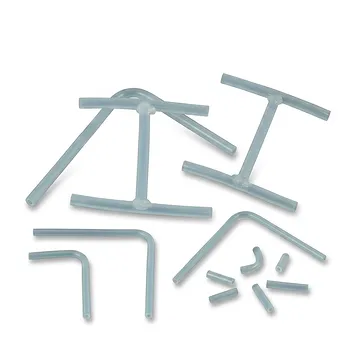
Maximize your industrial efficiency with KINTEK, your dedicated partner for high-performance fluoropolymer solutions. Whether you require everyday basic labware like beakers, measuring cylinders, and reagent bottles, or specialized fluid transfer components such as precision-engineered PTFE and PFA tubing, fittings, and valves, we offer unparalleled durability and chemical purity.
Our capabilities extend far beyond standard supplies. We provide advanced reaction apparatus, including custom electrochemical cells, battery testing fixtures, and microwave digestion vessels. Backed by end-to-end custom CNC fabrication, KINTEK is equipped to deliver everything from complex non-standard machined parts to high-volume orders of high-purity trace analysis tools and filtration equipment.
Ready to optimize your workflow with bespoke laboratory setups? Contact us today to discover how our high-performance material focus can benefit your project!
Related Products
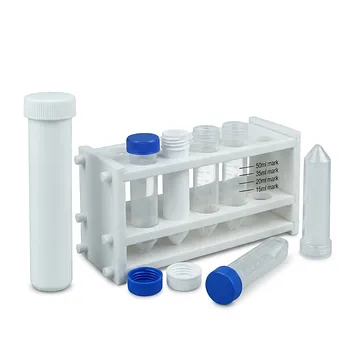
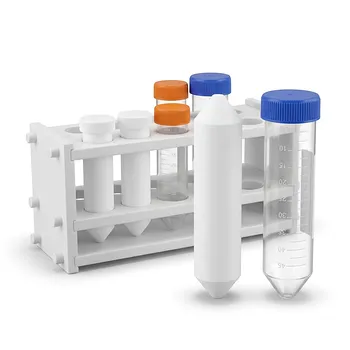
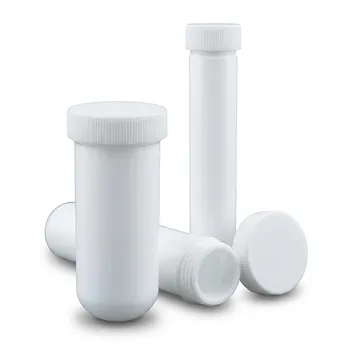
- Custom PTFE Digestion Tubes and High Purity Polytetrafluoroethylene Centrifuge Vessels 60ml for Trace Analysis
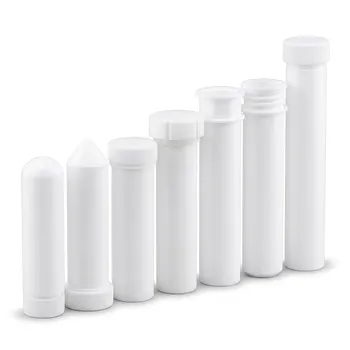
- Custom High Purity PTFE Digestion Tubes and Centrifuge Tubes for Trace Metal Analysis
- High Purity PTFE Digestion Tubes and Custom Centrifuge Tubes 100ml for Trace Analysis and Chemical Digestion
- Corrosion Resistant PTFE Digestion Tubes for Graphite Block Systems with Acid Reflux Caps Custom Dimensions
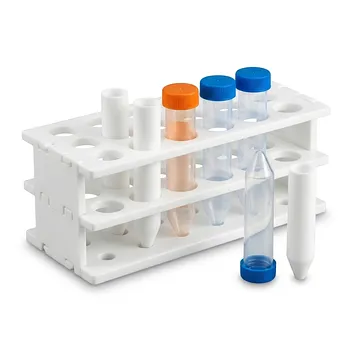
- High Purity PTFE Centrifuge Tubes for Trace Analysis Custom Laboratory Centrifugation Containers with Racks
People Also Ask
- How do PTFE digestion tubes assist in pharmaceutical and biological sample preparation? Ensure High Recovery & Purity
- What is the primary function of PTFE digestion tubes in a laboratory setting? Essential for Pure Sample Mineralization
- What are the common capacities and physical configurations available for PTFE digestion tubes? Expert Selection Guide
- How do PTFE digestion tubes minimize contamination during ultra-trace elemental analysis? Achieve high-purity results.
- How do PTFE digestion tubes facilitate the analysis of food and agricultural products? Ensure High-Purity Mineralization