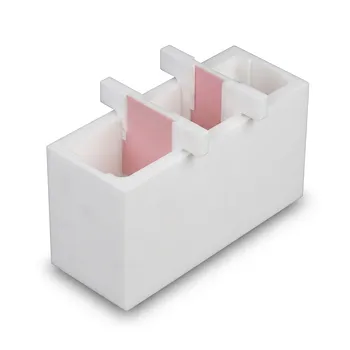
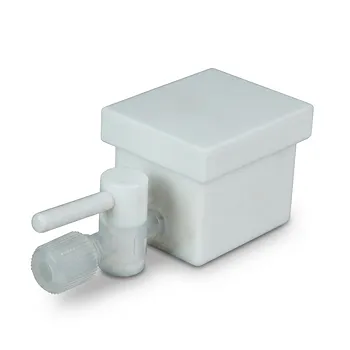
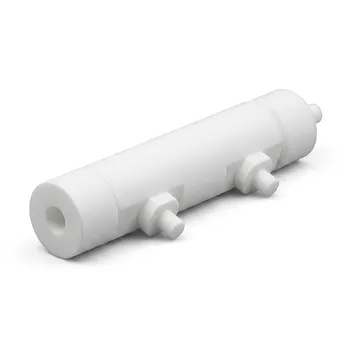
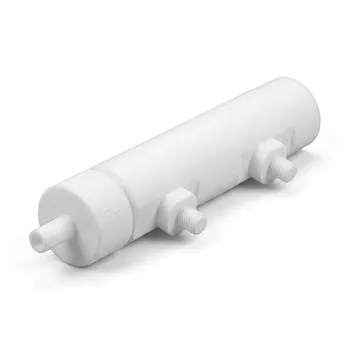
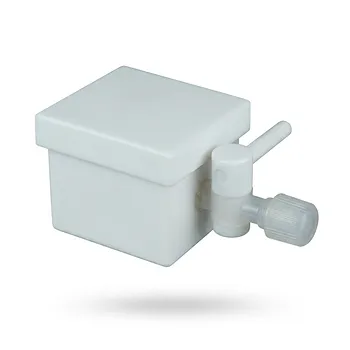
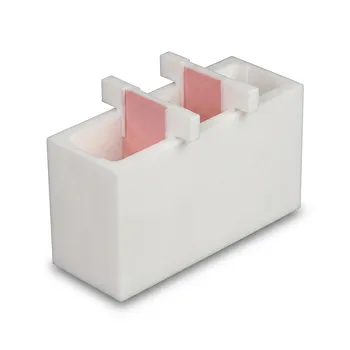
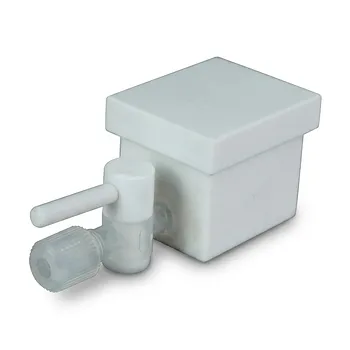
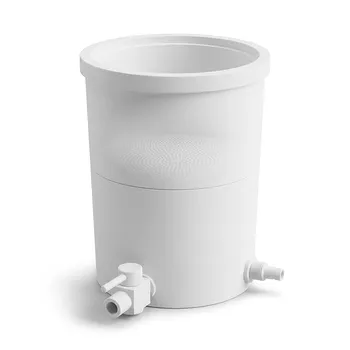
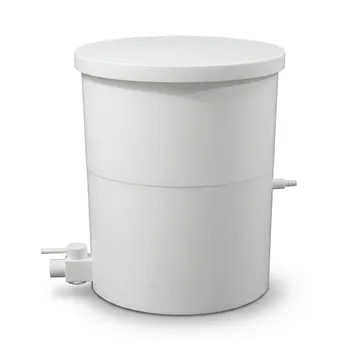
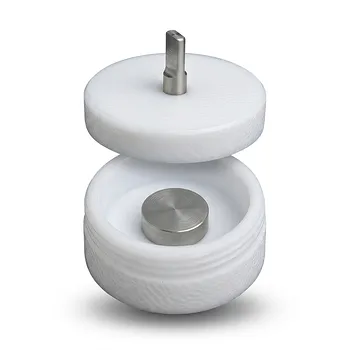
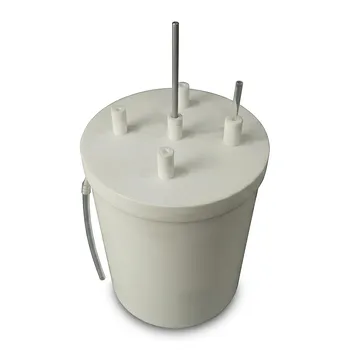
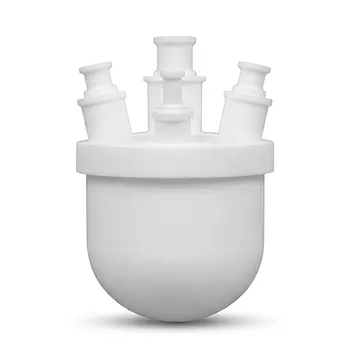
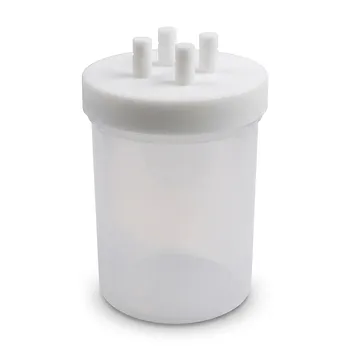
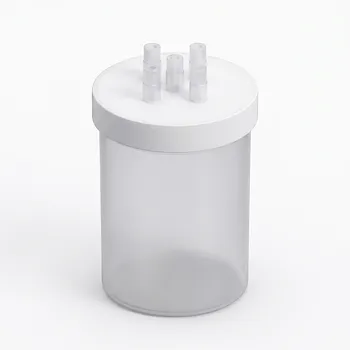
The dual-chamber configuration and its integrated membranes are essential for isolating electrochemical reactions and ensuring accurate performance metrics. By physically separating the anode and cathode, these components prevent the recombination of products and allow for the independent optimization of the chemical environments surrounding each electrode.
The core function of this setup is to maintain high Coulombic efficiency and product purity by preventing cross-reactions while simultaneously facilitating ionic transport to complete the electrical circuit. This isolation is critical for characterizing the true catalytic activity of photoelectrodes without interference from competing back-reactions.
The Strategic Role of Dual-Chamber Architecture
Spatial Separation of Redox Reactions
A dual-chamber cell acts as a physical barrier that divides the reduction and oxidation half-reactions. This separation ensures that photogenerated charges migrate to their respective electrodes to perform work without the risk of immediate product recombination.
Providing a Controlled Light Path
In PEC characterization, the cell must provide a stable and transparent path for light to reach the semiconductor photoelectrode. The dual-chamber design allows for a clear optical window while keeping the counter-electrode and its associated bubbles or precipitates away from the light-sensitive area.
Maximizing Chemical Yield and Purity
By isolating the chambers, the system prevents reduction products (like hydrogen or ethylene) from mixing with oxidation products (like oxygen or chlorine). This separation is vital for achieving high chemical yield and simplifying the downstream analysis of reaction products.
The Functionality of Ion-Exchange Membranes
Facilitating Ionic Current Conduction
Ion-exchange membranes (IEMs) allow the passage of specific ions to balance the charge between the two chambers. This maintains the necessary electrical circuit without allowing the bulk mixing of the different electrolyte solutions.
Preventing Transmembrane Migration
The membrane serves as a selective gatekeeper that blocks the migration of reactant molecules and reaction products. This prevents unwanted "shuttling" where a product formed at one electrode is destroyed at the other, which would otherwise lead to inaccurate efficiency measurements.
Managing Local pH Gradients
Specialized components like bipolar membranes (BPM) allow for different pH environments in each chamber. This enables a setup where, for example, the cathode operates in a neutral environment for $CO_2$ reduction while the anode performs oxidation in highly alkaline conditions, optimizing the thermodynamics for both sides.
Understanding the Trade-offs and Pitfalls
Ohmic Resistance and Energy Loss
Introducing a membrane into the cell increases the internal resistance (ohmic loss) of the system. This can result in a significant voltage drop, meaning the measured potential may not reflect the actual energy efficiency of the catalyst itself.
Membrane Fouling and Stability
Over time, membranes can become fouled by precipitates or degraded by harsh chemical environments. This degradation leads to a decrease in ionic conductivity and can eventually allow for product crossover, compromising the integrity of long-term stability tests.
Crossover Leakage
No membrane is a perfect barrier; some crossover of small molecules is inevitable. If the crossover rate is high, it can lead to "chemical short-circuits" that artificially inflate or deflate the observed Faradaic efficiency of the PEC system.
How to Optimize Your Cell Setup
Making the Right Choice for Your Goal
To ensure accurate PEC characterization, select your cell components based on the specific requirements of your reaction.
- If your primary focus is high-purity gas collection: Use an H-type cell with a high-quality Anion Exchange Membrane (AEM) to strictly isolate hydrogen from oxygen.
- If your primary focus is asymmetric pH optimization: Utilize a Bipolar Membrane (BPM) to maintain distinct acidic and basic environments for the anode and cathode respectively.
- If your primary focus is liquid product analysis: Ensure the membrane has a low permeability for organic molecules to prevent the crossover of products like alcohols or organic acids.
By carefully selecting the cell geometry and membrane type, you can isolate the true performance of your photoelectrode from the complexities of the overall electrochemical environment.
Summary Table:
| Component | Core Function | Key Benefit to PEC |
|---|---|---|
| Dual-Chamber Design | Physical separation of anode/cathode | Prevents product recombination & ensures clear light path |
| Ion-Exchange Membrane | Facilitates selective ionic transport | Balances charge while blocking reactant/product crossover |
| Bipolar Membrane | Maintains asymmetric pH environments | Optimizes separate conditions for reduction and oxidation |
| H-Type Configuration | Isolates gas/liquid products | Maximizes chemical yield and simplifies product analysis |
Elevate your PEC research with KINTEK’s specialized laboratory solutions. We manufacture a comprehensive range of high-performance supplies, from basic PFA/PTFE labware like beakers and reagent bottles to advanced, custom-machined electrochemical cells and microchannel reactors. Whether you require standard components—such as tubing, fittings, and filtration tools—or bespoke reaction apparatus like hydrothermal synthesis liners and electrode accessories, our end-to-end CNC fabrication ensures precision for every non-standard part. Backed by an absolute focus on fluoropolymer performance, KINTEK delivers the durability and purity your analysis demands. Contact us today to discuss your custom setup!
References
- Virgil Andrei, Peidong Yang. Perovskite-driven solar C2 hydrocarbon synthesis from CO2. DOI: 10.1038/s41929-025-01292-y
This article is also based on technical information from Kintek Knowledge Base .
Related Products
- Corrosion Resistant PTFE Electrochemical Cell for New Energy Research Inert Insulating Customizable Lab Reaction Vessel
- Custom PTFE Corrosion Resistant Insulating Electrophoresis Reaction Cell with Septum and Valves for Low Background Trace Analysis
- Custom PTFE Electrolytic Cell Corrosion Resistant Low Background Reaction Vessel with Inlet Outlet Ports
- High Purity Custom PTFE Reaction Cell Electrolytic Tank for Semiconductor and Polysilicon Industrial Applications
- Flame Retardant Electrophoresis Cell Corrosion Resistant PTFE Evaporating Dish Customizable White Hydrolysis Cell
People Also Ask
- How do custom PTFE electrochemical cells improve the accuracy of stability testing for alkaline catalysts compared to glass cells?
- How does the hydrophobicity of PTFE benefit electrochemical measurements? Enhance Stability and Precision in Your Lab
- What makes PTFE an ideal construction material for custom electrochemical cells and electronic analytical instrumentation housings? Discover superior chemical resistance and electrical insulation
- Why must seawater electrolysis test cells have high corrosion resistance? Protect catalyst stability & data accuracy.
- What are the key steps for structural integrity in molded PTFE lab reaction vessels? Master fine powder processing.