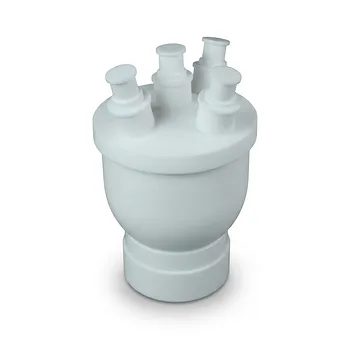
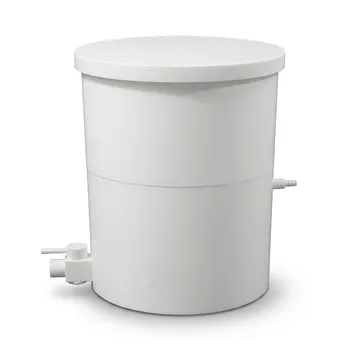
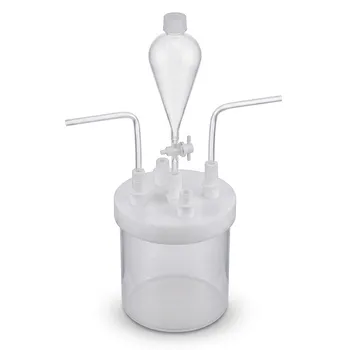
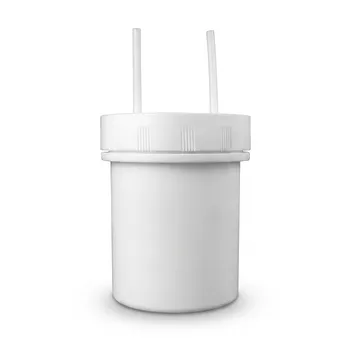
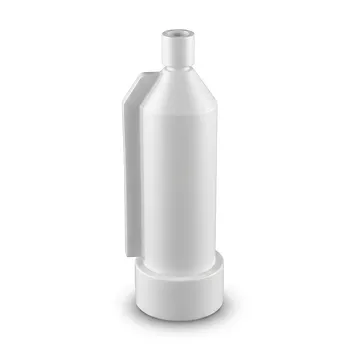
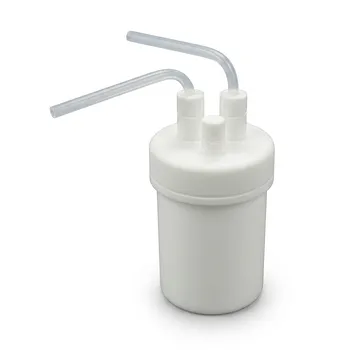
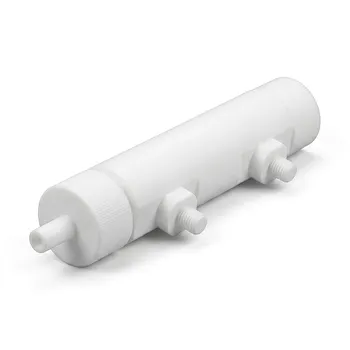
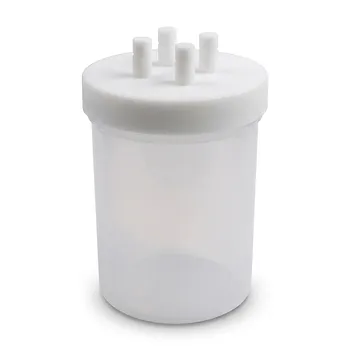
PTFE and PFA linings are the industry standard for vegetable oil modification because they provide a near-invulnerable barrier against the aggressive chemicals required for these reactions. Specifically, processes like epoxidation and transesterification utilize strong acid catalysts, hydrogen peroxide, and alcohols that rapidly corrode standard metallic reactors. By using these fluoropolymers, manufacturers prevent metal ion leaching and ensure the final product meets the high-purity specifications required for biolubricants and fine chemicals.
Core Takeaway: Vegetable oil modification requires extreme chemical inertness to handle corrosive catalysts and oxidants while preventing trace metal contamination. PTFE and PFA linings offer a unique combination of broad-spectrum chemical resistance and low-adsorption surfaces that safeguard both the equipment and the chemical integrity of the final product.
The Corrosive Nature of Oil Modification
Resistance to Strong Acid Catalysts and Oxidants
Processes like epoxidation often rely on a combination of hydrogen peroxide and organic or mineral acids. These reagents are highly corrosive to standard stainless steel, which can suffer from pitting or general thinning over time. PTFE and PFA are chemically inert to these substances, ensuring the structural integrity of the vessel remains intact despite prolonged exposure.
Stability Against Polar Solvents and Alcohols
Transesterification involves the use of alcohols (like methanol or ethanol) and alkaline or acidic catalysts. These components can penetrate or degrade lower-quality coatings and seals. Fluoropolymers maintain their mechanical properties and chemical resistance across a wide range of solvent environments, preventing swelling or degradation.
Handling Reactive Oxygen Species
Advanced modifications may involve highly reactive oxygen species (ROS) or radicals. Much like the Fenton process used in advanced oxidation, these radicals can attack many materials. PTFE and PFA do not react with these radicals, ensuring that the vessel does not interfere with the reaction kinetics or consume the reagents intended for the oil modification.
Preserving Product Integrity and Purity
Eliminating Metal Ion Leaching
When acid catalysts contact metal surfaces, they can cause metal ion leaching (e.g., iron, chromium, or nickel). These ions act as contaminants that can darken the oil, reduce the oxidative stability of biolubricants, or interfere with sensitive catalytic mechanisms. Fluoropolymer liners act as an absolute physical barrier, ensuring the purity of the charge environment.
Preventing Surface Adsorption and Fouling
Vegetable oils and their modified derivatives, such as lignin-based additives, can be prone to adhering to vessel walls. PTFE and PFA possess extremely low surface energy, which minimizes material loss and makes the cleaning process more efficient. This prevents "ghosting" or cross-contamination between different batches of modified oils.
Thermal Stability Across Wide Ranges
Vegetable oil modification often requires precise temperature control, sometimes reaching elevated levels to drive the reaction. Both PTFE and PFA maintain their exceptional chemical inertia and physical stability across a broad temperature spectrum. This ensures safety and consistency whether the process involves exothermic epoxidation or high-heat transesterification.
Understanding the Trade-offs
Thermal Conductivity Limitations
Fluoropolymers are excellent insulators, which means they have much lower thermal conductivity than the metal substrates they protect. This can result in slower heating and cooling cycles. Engineers must often compensate for this by using specialized heat exchangers or agitation systems to maintain uniform temperature profiles.
Pressure and Permeation Risks
While these materials are chemically resistant, they can be susceptible to gas permeation at very high pressures and temperatures. If corrosive vapors permeate the lining, they can attack the metal shell of the vessel from the inside out. Regular inspection and the use of vacuum-rated bonding for the liners are necessary to mitigate the risk of lining collapse or hidden corrosion.
How to Apply This to Your Process
When selecting a lining for your vegetable oil modification project, consider the specific environmental stressors of your reaction.
- If your primary focus is extreme chemical purity for biolubricants: Utilize high-purity PFA linings to ensure zero metal leaching and maximum resistance to the hydrogen peroxide used in epoxidation.
- If your primary focus is cost-effective, large-scale transesterification: Standard PTFE linings provide the necessary resistance to alcohols and basic catalysts while offering a more economical solution for large-volume vessels.
- If your primary focus is a process involving high-viscosity modified oils: Prioritize PFA due to its smoother surface finish, which further reduces material adsorption and facilitates easier vessel drainage.
By aligning your material choice with the specific chemical and thermal demands of the modification process, you ensure both the longevity of your equipment and the superior quality of your chemical output.
Summary Table:
| Key Feature | PTFE/PFA Performance Benefit | Impact on Oil Modification |
|---|---|---|
| Chemical Inertness | Resists strong acids and H2O2 | Prevents vessel corrosion and structural failure |
| Purity Protection | Zero metal ion leaching | Maintains oil color and oxidative stability |
| Surface Energy | Extremely low (Non-stick) | Minimizes fouling and simplifies cleaning cycles |
| Thermal Stability | Wide operating temperature range | Ensures safety during exothermic reactions |
| Solvent Resistance | Stable against alcohols/polar solvents | Prevents lining swelling or degradation |
Elevate Your Lab's Performance with KINTEK Fluoropolymer Solutions
Protect your research and production integrity with KINTEK’s world-class PTFE and PFA laboratory supplies. Whether you are performing complex vegetable oil epoxidation or large-scale transesterification, our high-performance fluoropolymer products provide the ultimate defense against corrosive catalysts and metal contamination.
Our comprehensive range includes:
- Basic Labware: Beakers, measuring cylinders, crucibles, dishes, and reagent/wash bottles.
- Sample Prep & Analysis: Centrifuge tubes, digestion tubes, filters, pipettes, and high-purity trace analysis instruments.
- Fluid Handling: Tubing, fittings, valves, and cleaning/storage tanks.
- Specialized Apparatus: Custom electrochemical cells, battery testing fixtures, microwave digestion vessels, and microchannel reactors.
From everyday consumables like stirring bars and O-rings to bespoke laboratory setups and complex non-standard machined parts, KINTEK utilizes end-to-end custom CNC fabrication to meet your exact specifications. Experience the reliability of high-volume orders backed by an exclusive focus on high-performance fluoropolymers.
Ready to optimize your chemical processes? Contact us today to discuss your custom project!
References
- Iwona Wilińska, Sabina Wilkanowicz. Advancements in Environmentally Friendly Lubricant Technologies: Towards Sustainable Performance and Efficiency. DOI: 10.3390/en18154006
This article is also based on technical information from Kintek Knowledge Base .
Related Products
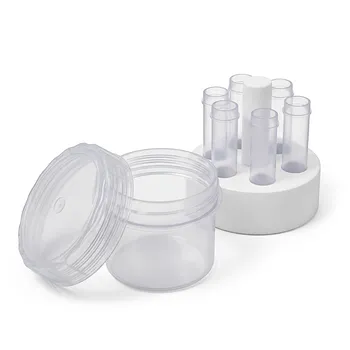
- High Purity Corrosion Resistant PFA Reaction Vessel with PTFE Holder and Integrated Sampling Tube for Trace Analysis
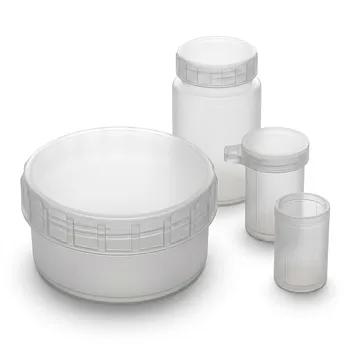
- Custom PFA Reaction Bottles High Purity PTFE Reaction Vessels Corrosion Resistant Petrochemical Containers
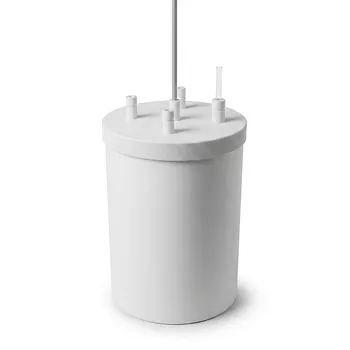
- High Performance Customizable PTFE Reaction Vessel and Corrosion Resistant Polytetrafluoroethylene Flask for Chemical Laboratory Use
- PFA Reaction Jar Corrosion Resistant Wide Mouth PTFE Lab Bottle High Purity Chemical Vessel
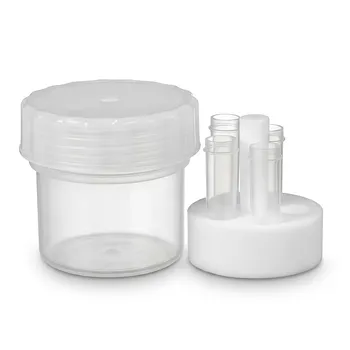
- Corrosion Resistant PTFE Support with PFA Transparent Reaction Tank and High Purity PFA Sampling Tube for Trace Analysis
People Also Ask
- Why is the choice of reaction vessel material critical during B-NiBDC synthesis? Optimize MOF Purity & Performance
- What is the function of corrosion-resistant reaction vessels in the acid hydrolysis process of molasses for microalgae culture media?
- How do the material choice and sealing integrity of the reaction vessel affect the growth of NiFe-LDH? Optimize Synthesis
- Why are corrosion-resistant vessels needed for alkaline cellulose extraction? Ensure Purity and Process Safety
- Why are well-sealed reaction vessels necessary for superacid-promoted Friedel-Crafts polycondensation? Optimize Synthesis