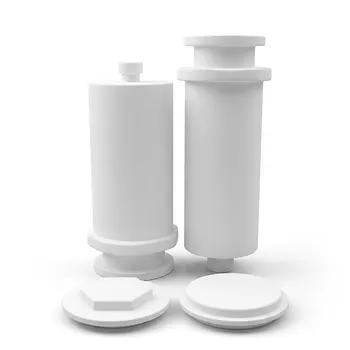
The integrity of core-shell zeolite synthesis depends entirely on the chemical isolation provided by the reaction vessel liner. High-quality PTFE (polytetrafluoroethylene) or PFA (perfluoroalkoxy) liners are critical because they provide total chemical resistance against aggressive alkaline reagents like sodium hydroxide and organic templates. This prevents metal ions from the stainless steel autoclave from leaching into the reaction, ensuring the high purity and structural precision required for functional core-shell catalysts.
High-quality fluoropolymer liners act as an inert chemical barrier that prevents corrosive alkaline media from leaching metal impurities into the catalyst framework. This isolation is mandatory for maintaining the structural purity, morphology, and catalytic performance of zeolites under high-temperature, high-pressure hydrothermal conditions.
Preventing Metallic Contamination and Framework Integrity
Eliminating Metal Ion Leaching
During hydrothermal synthesis, strong bases can aggressively attack the stainless steel walls of the outer pressure vessel. PTFE and PFA liners provide a completely inert barrier that isolates these reactants from the metal shell. Without this barrier, iron, nickel, or chromium ions could enter the solution, poisoning the catalyst and altering its intended chemical properties.
Preserving High-Purity Molecular Sieves
Core-shell zeolites require precise assembly of the framework around a central core. The presence of even trace metallic impurities can disrupt the nucleation and growth of the zeolite shell. By using high-purity liners, researchers ensure that the organic templates, such as TPAOH, interact only with the silicon and aluminum sources rather than stray metal contaminants.
Ensuring Chemical Resistance to Alkaline Media
Strongly alkaline environments are necessary to dissolve silica and alumina precursors during synthesis. Fluoropolymers like PFA and PTFE are uniquely resistant to high concentrations of NaOH and other caustic reagents. This resistance prevents the liner itself from degrading or introducing carbonaceous impurities into the high-purity molecular sieve system.
Maintaining Structural Reliability Under Pressure
Seal Integrity at Elevated Temperatures
Hydrothermal synthesis of zeolites often occurs at temperatures reaching 170°C and significant internal pressures. High-quality liners are designed to maintain their shape and sealing performance under these extreme conditions. A reliable seal prevents the loss of volatile templates and maintains the constant pressure required for uniform crystal growth.
Corrosion Protection for the Autoclave Shell
The outer stainless steel vessel provides the mechanical strength needed to contain high pressure, but it is vulnerable to chemical attack. The liner acts as a sacrificial chemical shield, extending the service life of the expensive autoclave hardware. By preventing "pitting" or stress-corrosion cracking in the metal, the liner ensures the overall safety of the laboratory environment.
Enhancing Product Recovery and Morphology Control
Low Surface Energy and Mold Release
PTFE and PFA possess extremely low surface energy, which prevents synthesized nanopowders from adhering to the container walls. This excellent mold-release property ensures that the synthesized core-shell materials can be easily collected without mechanical scraping. This minimizes physical damage to the delicate zeolite crystals and maximizes the final yield.
Facilitating Controlled Crystal Growth
A clean, inert environment is essential for the controlled growth of microstructures and uniform morphology. Because the liner does not react with the precursors, the synthesis kinetics remain predictable and repeatable. This consistency is vital when transitioning from laboratory-scale synthesis to larger-batch production of catalysts.
Understanding the Trade-offs and Limitations
Thermal Expansion and Pressure Deformation
While PTFE is chemically inert, it is a "soft" plastic that can undergo creep or cold flow under high pressure. If the temperature exceeds the material's stable range, the liner may deform, making it difficult to remove from the metal shell. PFA is often preferred for more demanding applications because it maintains better mechanical stiffness at higher temperatures.
Temperature Thresholds and Safety
PTFE typically has a maximum continuous service temperature of approximately 250°C to 260°C, but hydrothermal seals often fail much earlier. Exceeding these limits can cause the material to soften or, in extreme cases, release toxic fluorinated vapors. Users must strictly adhere to the temperature ratings of their specific liner and autoclave assembly to prevent catastrophic failure.
Quality Variations in Fluoropolymers
Not all liners are created equal; recycled or low-grade PTFE can contain micropores or residual contaminants from the manufacturing process. High-quality, "virgin" PTFE or PFA is necessary to ensure the extremely low leaching rates required for electronic-grade or high-performance catalyst synthesis. Using sub-par liners can lead to ghost peaks in analytical data and inconsistent catalyst activity.
Strategic Selection for Your Synthesis Goals
How to Choose the Right Liner for Your Project
To achieve the best results in your hydrothermal synthesis, align your liner selection with the specific requirements of your zeolite framework.
- If your primary focus is absolute chemical purity: Use high-purity PFA liners, as they typically offer lower trace-metal leaching profiles than standard PTFE.
- If your primary focus is high-temperature stability (up to 200°C): Ensure you are using thick-walled, virgin PTFE liners with a reinforced stainless steel autoclave to prevent liner deformation.
- If your primary focus is ease of product collection: Prioritize PTFE liners for their superior non-stick properties, which facilitate the recovery of fine nanopowders.
- If your primary focus is long-term cost efficiency: Invest in high-quality liners and inspect them regularly for "crazing" or discoloration to prevent contamination before it occurs.
By prioritizing the quality and integrity of the reaction liner, you ensure the reproducible synthesis of high-performance core-shell catalysts.
Summary Table:
| Key Feature | Benefit for Zeolite Synthesis |
|---|---|
| Chemical Inertness | Prevents leaching of Fe, Ni, or Cr ions from stainless steel autoclaves. |
| High-Purity Material | Eliminates trace metallic impurities that disrupt nucleation and shell growth. |
| Low Surface Energy | Facilitates easy recovery of delicate crystals without mechanical damage. |
| Corrosion Resistance | Protects the outer pressure vessel from aggressive NaOH and organic templates. |
| Sealing Performance | Maintains constant internal pressure for uniform morphology and crystal growth. |
Elevate Your Synthesis with KINTEK’s Fluoropolymer Expertise
Precision in core-shell zeolite synthesis demands the highest material purity and chemical isolation. KINTEK specializes in high-performance fluoropolymer solutions tailored for the most demanding laboratory environments.
Whether you require everyday basic labware like beakers, crucibles, and reagent bottles, or specialized high-purity trace analysis instruments and cleaning tanks, we have you covered. Our expertise extends to comprehensive fluid transfer components (tubing, valves, fittings), sample prep tools (separatory funnels, filters, tweezers), and general consumables (O-rings, gaskets, seal tapes).
For advanced researchers, we offer standard and custom electrochemical cells, battery testing fixtures, and hydrothermal synthesis liners (PTFE/PFA) specifically designed to withstand aggressive alkaline media and high pressures. Backed by end-to-end custom CNC fabrication, KINTEK delivers everything from complex non-standard machined parts to high-volume orders with an absolute focus on high-performance fluoropolymers.
Ensure the integrity of your next catalyst batch—contact KINTEK today for bespoke laboratory setups and high-purity supplies.
References
- Hui Li. The Synthesis of Core-Shell Encapsulated Metal Catalysts for Conversion of Methanol to Aromatics. DOI: 10.22399/ijcesen.3072
This article is also based on technical information from Kintek Knowledge Base .
Related Products
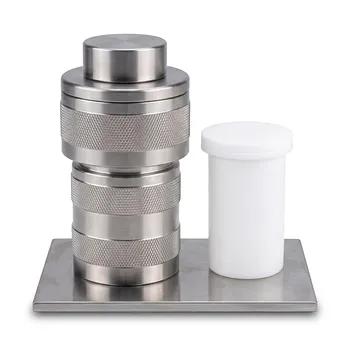
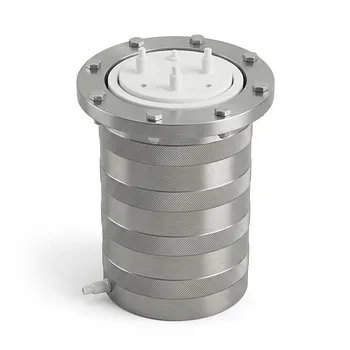
- PTFE Lined High Pressure Digestion Vessel 50ml High Temperature Hydrothermal Synthesis Tank
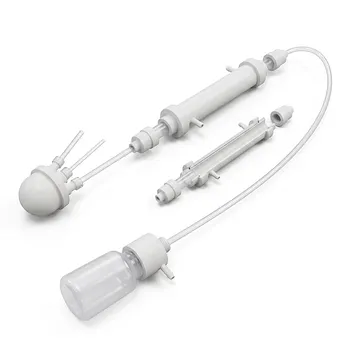
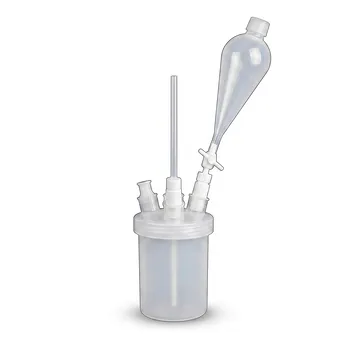
- High Temperature Corrosion Resistant PTFE Hydrogen Fluoride Condensation Reflux System with Separatory Funnel and PFA Collection Bottle
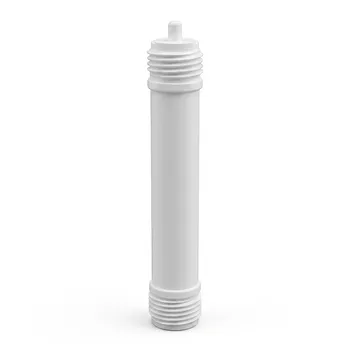
- High Purity PTFE Microwave Digestion Vessel for Soil and Food Analysis Acid Resistant Fluoropolymer Sample Preparation Liners
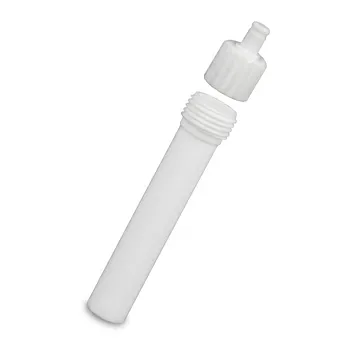
- High Purity PTFE Microwave Digestion Vessel Replacement Liner for Acid Sample Preparation and Trace Analysis
- Custom PTFE Acid Resistant Support Rack for PFA Hydrogen Absorption Systems Multi Hole Configurations
People Also Ask
- What are the benefits of using a PTFE-lined vessel for carbon-sulfur cathode treatment? Maximize Purity & Performance
- Why are PTFE-lined pressure digestion vessels required for the preparation of Ag/CeO2 catalysts? Purity & Performance
- What safety features are typically incorporated into high-pressure PTFE digestion vessel designs? Ensure Lab Safety
- What is the function of PTFE lined high-pressure vessels in g-C3N4 synthesis? Achieve High-Purity Material Growth
- Role of High-Pressure Digestion Tanks in Perovskite Synthesis: Achieve Superior Stability and Latent Heat