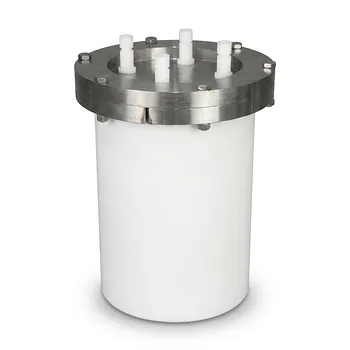
The selection of liner materials is the cornerstone of successful hydrothermal synthesis. In the production of transition metal molybdates, liners—typically made of Polytetrafluoroethylene (PTFE) or perfluoroalkoxy (PFA)—serve as a critical chemical barrier that protects the reactor vessel and ensures the purity of the final product. Without a properly selected liner, the extreme heat and pressure required for synthesis would cause aggressive chemical precursors to corrode the steel autoclave, contaminating the reaction and compromising safety.
Core Takeaway: Liner materials provide the chemical inertness and environmental stability necessary to isolate reaction precursors from the autoclave body. This isolation is essential for preventing impurity leaching, ensuring uniform crystal nucleation, and allowing for the precise morphological tailoring of transition metal molybdate nanostructures.
Maintaining Reactor Integrity and Safety
Chemical Isolation of Aggressive Media
Hydrothermal synthesis of molybdates often involves strong acidic or alkaline precursors that are highly corrosive. A PTFE liner acts as a robust shield, preventing these chemicals from directly contacting and damaging the stainless steel walls of the autoclave.
Equipment Longevity and Pressure Safety
By neutralizing the corrosive effects of the reaction environment, high-quality liners significantly extend the service life of expensive pressure vessels. This protection is vital for maintaining the structural integrity of the autoclave, which must withstand intense internal pressures without failure.
Preserving Chemical Purity and Crystalline Quality
Preventing Metal Ion Leaching
One of the most critical roles of the liner is to stop metal ions (such as iron, chromium, or nickel) from the steel vessel from leaching into the solution. This ensures that the synthesized transition metal molybdates remain pure and exhibit the intended intrinsic chemical properties.
Facilitating Uniform Nucleation
The exceptional surface inertness of PTFE and modified liners provides a stable environment for the full dissolution of raw materials. This stability promotes uniform nucleation throughout the closed system, resulting in materials with high crystallinity and consistent phase purity.
Precision Control of Morphology and Catalysis
Directing Microstructure Growth
The closed environment within the liner allows researchers to precisely regulate temperature and pressure to influence the growth of specific crystal planes. This control is what enables the synthesis of complex architectures, such as nanosheets, nanoflowers, or nanodots.
Optimizing Catalytic Activity
By tailoring the morphology and crystalline structure through liner-controlled environments, the material's catalytic performance can be optimized. For instance, the ratio between different crystalline phases can be adjusted to improve efficiency in processes like furfural reduction or electrocatalysis.
Understanding the Trade-offs and Limitations
Temperature Thresholds
While PTFE is highly stable, it has specific thermal limits, typically becoming unstable or deforming above 250°C. For reactions requiring higher temperatures, specialized modified liners or alternative materials must be used to prevent liner failure.
Thermal Expansion Challenges
Liner materials like PTFE have a different coefficient of thermal expansion than the stainless steel outer shell. If the liner is not correctly sized or if the heating/cooling rate is too rapid, the liner may warp, leading to a loss of the hermetic seal and potential leakage.
How to Apply This to Your Project
Selecting the right liner depends on the specific requirements of your synthesis and the desired characteristics of the molybdate product.
- If your primary focus is maximum material purity: Utilize high-purity PFA or PTFE liners to completely eliminate the risk of metal ion contamination from the reactor walls.
- If your primary focus is specific morphology (e.g., nanodots): Ensure your liner provides a perfect, high-pressure seal to maintain the stable internal environment required for directional crystallization.
- If your primary focus is equipment longevity: Regularly inspect your liners for discoloration, thinning, or pitting, as any breach in the liner will lead to irreversible corrosion of the autoclave body.
By treating the liner as a precision component rather than a simple container, you ensure the repeatable synthesis of high-performance transition metal compounds.
Summary Table:
| Key Critical Factor | Role of PTFE/PFA Liner | Outcome for Molybdate Synthesis |
|---|---|---|
| Chemical Isolation | Shield against acidic/alkaline precursors | Prevents autoclave corrosion and structural failure |
| Purity Preservation | Blocks metal ion leaching from steel walls | Ensures high-purity crystals with intrinsic properties |
| Morphology Control | Maintains stable high-pressure environment | Allows tailoring of nanosheets, nanodots, and flowers |
| Equipment Safety | Provides robust chemical barrier | Extends the service life of expensive pressure vessels |
Achieve Synthesis Excellence with KINTEK’s Precision Fluoropolymers
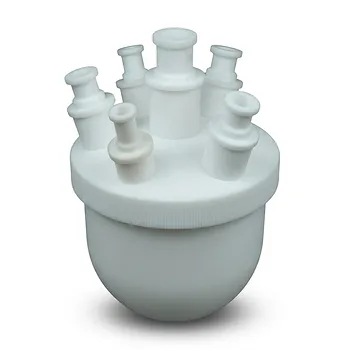
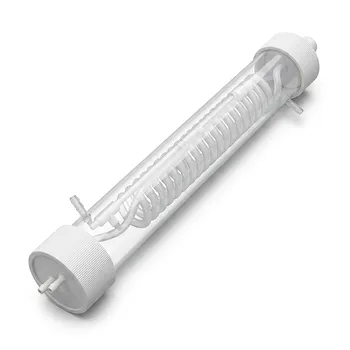
Successful hydrothermal synthesis demands zero contamination and absolute material stability. KINTEK provides an exhaustive range of laboratory supplies crafted exclusively from high-performance PTFE and PFA. From essential hydrothermal synthesis liners and microwave digestion vessels to complex microchannel reactors and condensation/reflux devices, we ensure your reaction environment is perfectly isolated and controlled.
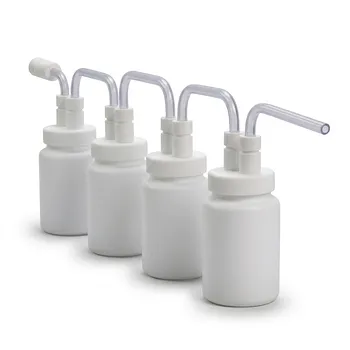
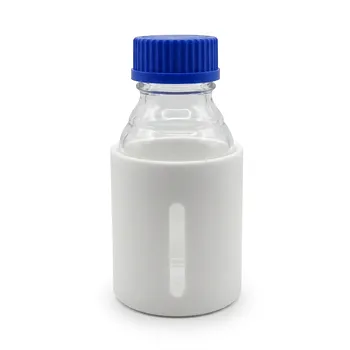
Our expertise extends from everyday consumables—including beakers, crucibles, reagent bottles, stirring bars, and O-rings—to advanced tools like electrochemical cells and battery testing fixtures. Backed by end-to-end custom CNC fabrication, we deliver everything from high-volume standard orders to bespoke, non-standard machined parts tailored to your specific research parameters.
Ready to optimize your material purity and reactor longevity? Contact KINTEK today to discuss your custom laboratory needs.
References
- Digambar S. Sawant, G. M. Lohar. Transition Metal Molybdates Emerging Materials for High‐Performance Supercapacitors: A Machine Learning Analysis. DOI: 10.1002/bte2.20240073
This article is also based on technical information from Kintek Knowledge Base .
Related Products
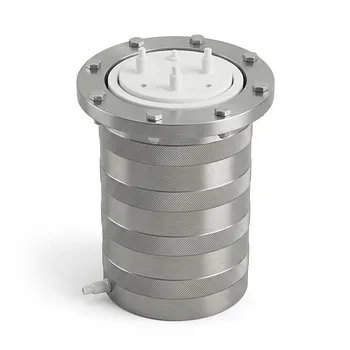
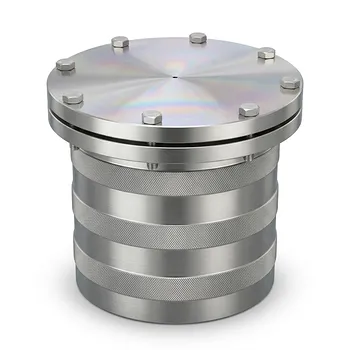
- PTFE Lined High Pressure Digestion Vessel 50ml High Temperature Hydrothermal Synthesis Tank
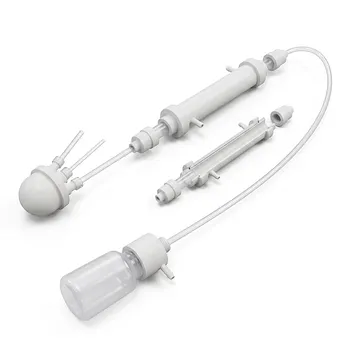
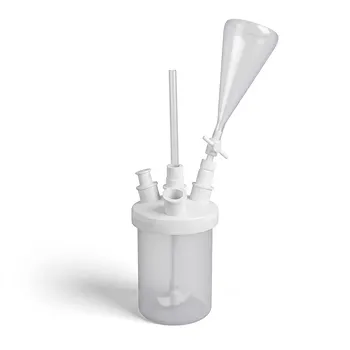
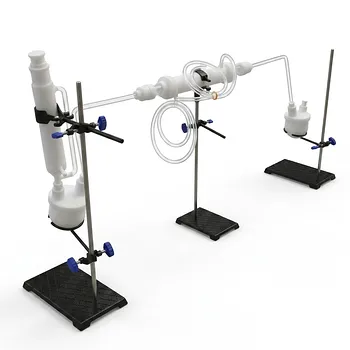
- High Temperature Corrosion Resistant PTFE Hydrogen Fluoride Condensation Reflux System with Separatory Funnel and PFA Collection Bottle
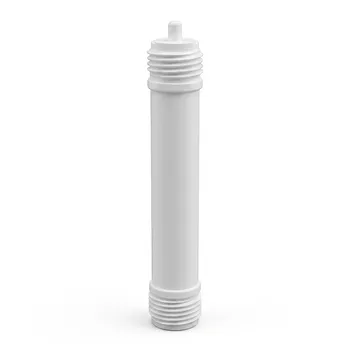
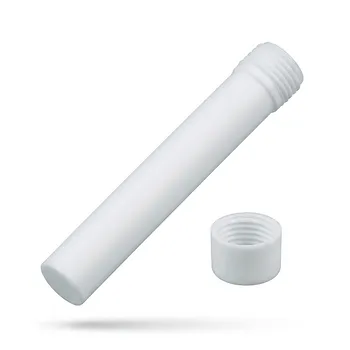
- High Purity PTFE Microwave Digestion Vessel for Soil and Food Analysis Acid Resistant Fluoropolymer Sample Preparation Liners
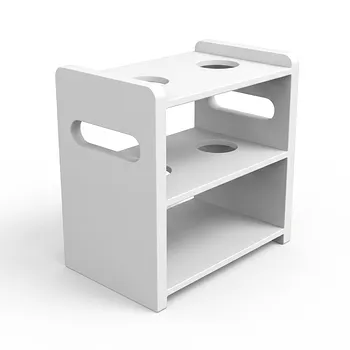
- Custom PTFE Acid Resistant Support Rack for PFA Hydrogen Absorption Systems Multi Hole Configurations
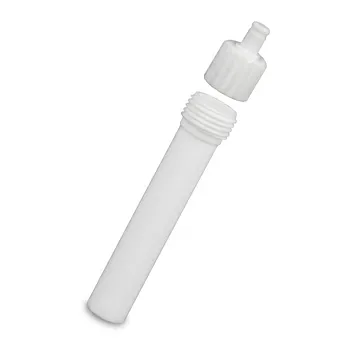
- High Purity PTFE Microwave Digestion Vessel Replacement Liner for Acid Sample Preparation and Trace Analysis
People Also Ask
- What are the benefits of using a PTFE-lined vessel for carbon-sulfur cathode treatment? Maximize Purity & Performance
- Why are PTFE-lined pressure digestion vessels required for the preparation of Ag/CeO2 catalysts? Purity & Performance
- What safety features are typically incorporated into high-pressure PTFE digestion vessel designs? Ensure Lab Safety
- What is the function of PTFE lined high-pressure vessels in g-C3N4 synthesis? Achieve High-Purity Material Growth
- Role of High-Pressure Digestion Tanks in Perovskite Synthesis: Achieve Superior Stability and Latent Heat