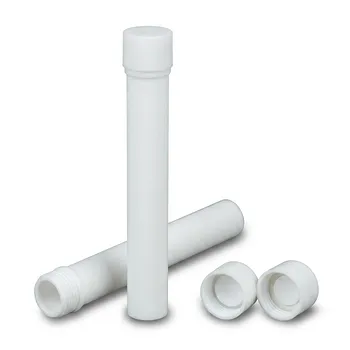
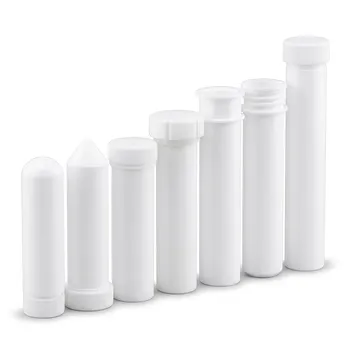
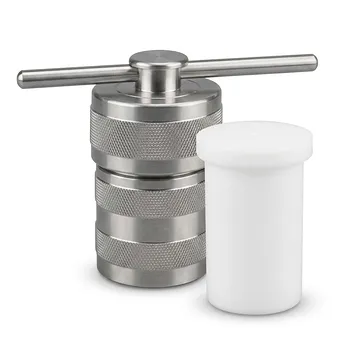
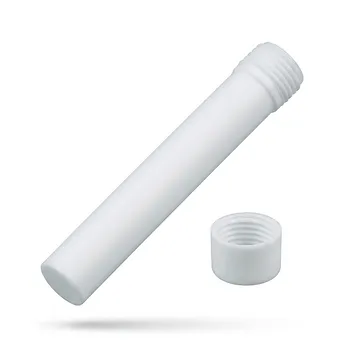
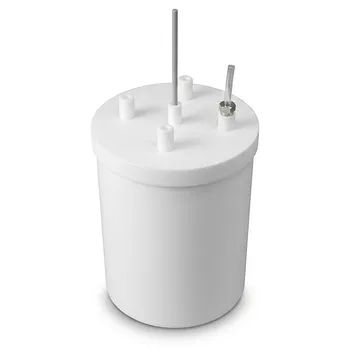
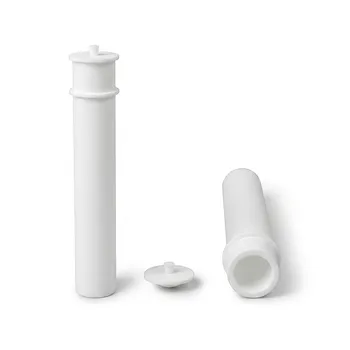
The integrity of ICP analysis for PtAu/3D graphene aerogels depends entirely on the purity and stability of the digestion environment. High-purity PFA or PTFE vessels are required because they withstand the aggressive aqua regia needed to dissolve precious metals while preventing trace metal leaching and ion adsorption. This ensures the resulting data reflects the true composition of the catalyst rather than environmental contamination or loss of analyte to the container walls.
Core Takeaway: Using high-purity fluoropolymers like PFA or PTFE is essential to eliminate "background noise" and sample loss during the digestion of noble metal catalysts. These materials provide the chemical inertness and thermal stability necessary to maintain sample representativeness under the extreme acidic conditions required for complete mineralization.
The Necessity of Chemical Inertness in Noble Metal Digestion
Resisting Aqua Regia and Corrosive Reagents
Dissolving platinum (Pt) and gold (Au) nanoparticles within a 3D graphene framework requires aqua regia or concentrated oxidizing acids at high temperatures. High-purity PFA and PTFE are among the few materials capable of withstanding these extreme chemical environments without degrading or reacting with the reagents.
Preventing Trace Metal Leaching
Standard laboratory glassware or lower-grade plastics can leach metal ions into the sample solution when exposed to strong acids. Because ICP analysis is highly sensitive, even nanogram-level leaching from a digestion vessel can artificially inflate the measured concentrations of Pt, Au, or other dopants.
Maintaining Thermal and Pressure Stability
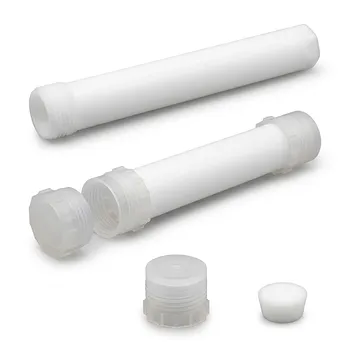
Sample digestion often occurs under high-pressure and high-temperature conditions, such as in microwave-assisted digestion systems. Fluoropolymers like PTFE and PFA maintain their structural integrity and chemical resistance under these stresses, ensuring the vessel does not fail or introduce impurities during the process.
Maintaining Sample Integrity at the Molecular Level
Minimizing Ion Adsorption on Vessel Walls
Precious metal ions have a tendency to "stick" or adsorb onto the interior surfaces of many container materials. The exceptionally smooth, non-polar surfaces of high-purity PFA and PTFE minimize this adsorption, ensuring that 100% of the dissolved metals remain in the solution for ICP measurement.
Ensuring Accuracy for Low-Content Dopants
In 3D graphene aerogels, the weight percentage of Pt or Au may be relatively low or precisely controlled to optimize catalytic activity. High-purity vessels eliminate external impurity interference, which is critical for the accurate determination of the true proportions of these low-content elements.
Suppressing Background Noise
Ultra-trace element analysis requires a "clean" baseline to achieve high sensitivity and reliability. High-purity fluoropolymers are characterized by an extremely low trace metal background, allowing researchers to detect minute concentrations of metals without the interference of container-sourced contaminants.
Understanding the Trade-offs and Limitations
Cost and Lifecycle Management
High-purity PFA and PTFE vessels are significantly more expensive than standard labware and require stringent cleaning protocols between uses. While they are durable, they are not indestructible; over time, repeated exposure to extreme temperatures can lead to "memory effects" if not cleaned properly.
Material Selection: PTFE vs. PFA
While both materials offer excellent resistance, PFA is often preferred for ultra-trace analysis because it can be manufactured with a smoother surface finish than PTFE. However, PTFE is frequently chosen for its slightly higher temperature tolerance in specific high-pressure digestion applications.
How to Apply This to Your Project
Recommendations for Sample Pre-treatment
Effective digestion requires matching the vessel material to your specific analytical goals and budget.
- If your primary focus is ultra-trace metal detection (ppb level): Use high-purity PFA vessels, as they offer the lowest leaching rates and the smoothest surfaces to prevent ion loss.
- If your primary focus is high-pressure microwave digestion: Utilize heavy-walled PTFE vessels, which provide the necessary mechanical strength and thermal stability for rapid mineralization.
- If your primary focus is routine catalyst screening (wt% level): Standard high-grade PTFE is generally sufficient, provided a rigorous acid-leaching cleaning cycle is performed before use.
By prioritizing high-purity fluoropolymer vessels, you ensure that your ICP results are a definitive reflection of your material's composition.
Summary Table:
| Feature | PFA/PTFE Benefit | Impact on ICP Analysis |
|---|---|---|
| Chemical Inertness | Resists aqua regia & strong acids | Prevents vessel degradation and sample contamination |
| Purity Levels | Near-zero trace metal leaching | Eliminates background noise and false positives |
| Surface Properties | Non-polar & exceptionally smooth | Minimizes ion adsorption (sample loss) on vessel walls |
| Thermal Stability | Maintains integrity at high temps | Ensures safety and reliability during microwave digestion |
Optimize Your ICP Accuracy with KINTEK’s High-Purity Fluoropolymers
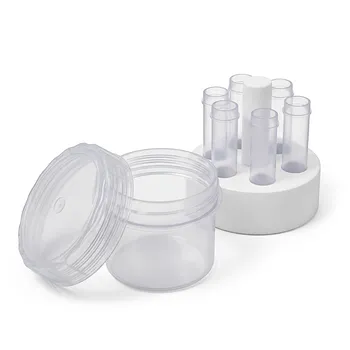
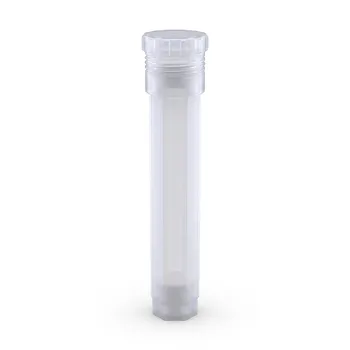
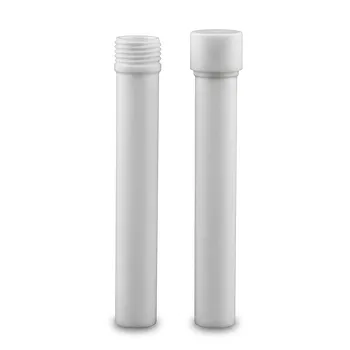
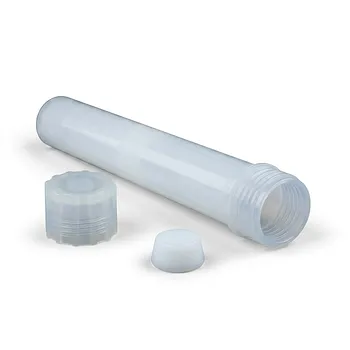
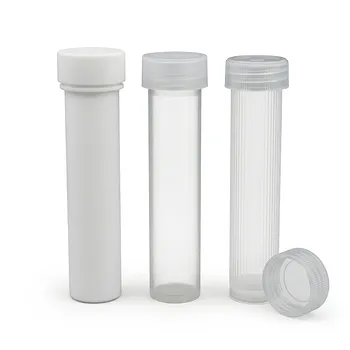
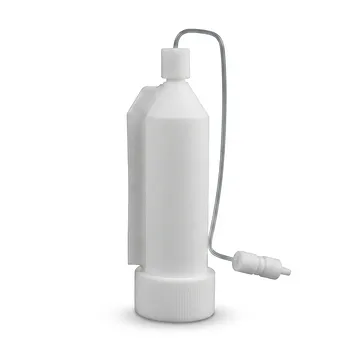
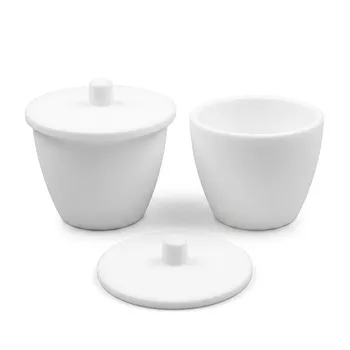
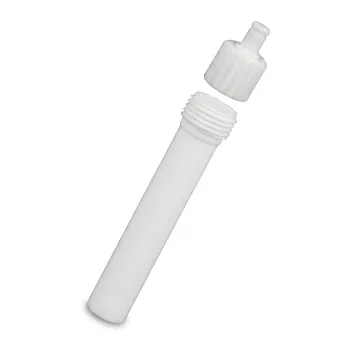
Don't let container contamination or analyte loss compromise your research. KINTEK specializes in high-performance PTFE and PFA laboratory supplies, specifically designed to meet the rigorous demands of trace element analysis. From everyday basics like beakers, digestion tubes, and reagent bottles to advanced microwave digestion vessels and custom reaction apparatus, we provide the chemical inertness your catalysts require.
Whether you need high-volume standard labware or bespoke, non-standard parts tailored via our end-to-end custom CNC fabrication, KINTEK delivers precision-engineered solutions with an absolute focus on fluoropolymer excellence.
Ensure the integrity of your results—contact us today to discuss your specific laboratory needs and secure the high-purity tools your research deserves!
References
- Xiao Yu, Qixian Zhang. One‐Pot Solvothermal Synthesis of PtAu/3d Graphene Aerogels for Methanol Fuel Cells. DOI: 10.1002/elan.12051
This article is also based on technical information from Kintek Knowledge Base .
Related Products
- High Purity Laboratory Microwave Digestion Vessel Customizable PFA PTFE Digestion Tank for Analytical Sample Preparation Trace Metal Analysis
- High Purity Corrosion Resistant PFA Reaction Vessel with PTFE Holder and Integrated Sampling Tube for Trace Analysis
- High Purity PTFE PFA Microwave Digestion Vessels Custom Acid Digestion Tanks for Laboratory Sample Preparation
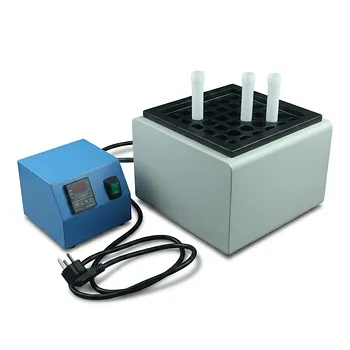
- Custom High Purity PTFE Microwave Digestion Vessels and Graphite Block Compatible Acid Evaporation Tanks for Trace Metal Analysis
- High Purity PTFE Microwave Digestion Vessels for 44 Position Systems Trace Analysis Acid Digestion and Evaporation
People Also Ask
- What are the advantages of using microwave digestion vessels for environmental analysis? Boost speed and sample accuracy.
- What safety features are commonly integrated into microwave digestion vessels? Ensuring High-Pressure Laboratory Safety
- What are the advantages of using microwave digestion vessels? Optimize EG@MO synthesis with superior thermal control.
- How do microwave digestion vessels support pharmaceutical elemental impurity testing? Achieve Precise USP Compliance
- Which safety mechanisms are typically integrated into high-precision microwave digestion vessels? A Complete Safety Guide