The requirement for high-purity PFA in polyoxometalate (POM) research is driven by the need to maintain a chemically static environment for samples that are hypersensitive to their surroundings. High-purity PFA (perfluoroalkoxy) provides an extremely low metal ion background and superior chemical inertness, which prevents the leaching of impurities and the adsorption of target analytes. Because the molecular structure and species distribution of polyoxometalates are easily altered by minute pH changes or trace metal contamination, PFA ensures that analytical data—such as X-ray total scattering—reflects the true composition of the solution.
Core Takeaway: High-purity PFA is the definitive choice for polyoxometalate analysis because it eliminates container-induced chemical shifts and trace metal interference. By providing a non-reactive, low-leaching surface, PFA preserves the delicate equilibrium of POM species required for accurate molecular identification.
Protecting the Delicate Equilibrium of Polyoxometalates
Sensitivity to pH and Environmental Impurities
Polyoxometalates are complex molecular clusters that are highly sensitive to their chemical environment. Even microscopic changes in pH or the introduction of stray ions can trigger a shift in species distribution, causing the molecules to reorganize or degrade.
Unlike glass, which can leach alkaline components and subtly alter the pH of a solution, high-purity PFA is chemically inert. This stability ensures that the equilibrium of the POM species remains undisturbed during storage and analysis.
Preventing Target Ion Adsorption
In trace analysis, the loss of target ions to the surface of a container can lead to significant underreporting of concentrations. PFA materials possess minimal surface adsorption characteristics, ensuring that POM clusters stay in the liquid phase rather than sticking to the vessel walls.
This "anti-adsorption" property is critical for maintaining the homogeneity of the sample. It allows researchers to achieve the ultra-high sensitivity and accuracy required for advanced chemical research.
Eliminating Background Interference and Contamination
Extremely Low Metal Ion Leaching
Traditional laboratory glassware and standard plastics can introduce trace metals into a sample through leaching. High-purity PFA is manufactured to have an extremely low metal ion background, making it the gold standard for trace element detection.
By removing the risk of secondary contamination, PFA allows analysts to trust that the metals detected in their instruments originate solely from the POM samples. This is essential for meeting the strict requirements of high-level academic and industrial research.
Ensuring Data Rigor in Advanced Analytics
Advanced techniques like X-ray total scattering and high-sensitivity mass spectrometry require samples of the highest purity to produce clear results. Any impurities introduced by the container can create "noise" or artifacts in the data, leading to incorrect molecular models.
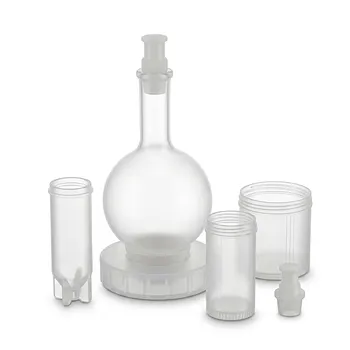
Using PFA labware, such as beakers and volumetric flasks, guarantees that the resulting data accurately reflects the true molecular composition. This level of precision is non-negotiable for definitive species identification.
Understanding the Trade-offs
The Cost of High Purity
The primary trade-off when adopting high-purity PFA is the significant financial investment compared to standard glass or disposable plastics. The specialized manufacturing processes required to achieve ultra-low leaching levels make these tools considerably more expensive.
Maintenance and Cleaning Protocols
While PFA is chemically resistant, it still requires rigorous specialized cleaning (often involving hot acid baths) to maintain its high-purity status over time. Improper handling or cross-contamination during the cleaning phase can negate the material's inherent benefits.
Physical Limitations
PFA is softer than glass and can be prone to mechanical deformation if subjected to extreme pressure or weight at high temperatures. While it has excellent thermal resistance, it does not offer the same structural rigidity as borosilicate glass in high-vacuum or high-pressure setups.
Making the Right Choice for Your Goal
- If your primary focus is species identification of POMs: Use high-purity PFA beakers and flasks to ensure that pH-sensitive molecular structures do not shift during preparation.
- If your primary focus is trace metal quantification: Prioritize PFA reagent bottles and centrifuge tubes to minimize the leaching of background ions and prevent the adsorption of your target analytes.
- If your primary focus is long-term sample storage: Select PFA containers to provide a chemically inert environment that prevents sample degradation or container interaction over time.
By utilizing high-purity PFA, researchers eliminate the container as a variable, ensuring that their analytical findings are a true reflection of the polyoxometalate chemistry under investigation.
Summary Table:
| Key Requirement | PFA Advantage | Benefit for POM Research |
|---|---|---|
| pH Stability | Chemically inert; no alkaline leaching | Prevents degradation of sensitive clusters |
| Purity Level | Ultra-low metal ion background | Eliminates secondary contamination/noise |
| Sample Recovery | Minimal surface adsorption | Ensures accurate analyte concentration |
| Data Integrity | High transparency for advanced analytics | Reliable X-ray scattering & mass spec results |
Elevate Your Trace Analysis with KINTEK’s High-Performance Fluoropolymers
When your research demands absolute purity and chemical inertness, KINTEK delivers. We specialize exclusively in high-performance fluoropolymers, providing an exhaustive range of PFA and PTFE solutions tailored for sensitive applications like polyoxometalate analysis.
Our offerings span from everyday basic labware (beakers, crucibles, and reagent bottles) and fluid transfer components (tubing, valves, and fittings) to advanced reaction apparatus such as electrochemical cells and microwave digestion vessels. Beyond standard supplies, our end-to-end custom CNC fabrication ensures we can manufacture bespoke, non-standard machined parts specifically for your laboratory's unique setups.
Don't let container-induced contamination compromise your data. Partner with the experts in fluoropolymer laboratory excellence.
Contact KINTEK today for a consultation or quote
References
- Laura S. Junkers, Carles Bó. Uncovering Polyoxometalate Speciation in Hydrothermal Systems by Combining Computational Simulation with X-ray Total Scattering. DOI: 10.1021/jacs.5c04696
This article is also based on technical information from Kintek Knowledge Base .
Related Products
- High Purity PFA Laboratory Rectangular Tank Corrosion Resistant Acid Cleaning Bath for Silicon Wafer Processing and Trace Analysis
- High Purity PFA Crucible and Corrosion Resistant PTFE Beaker for Trace Analysis and Custom Laboratory Applications
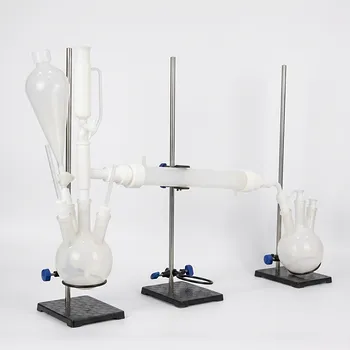
- High Purity PFA Constant Pressure Condensation Reaction System Acid Resistant High Temperature Customizable Teflon Labware
- High Purity PFA Rectangular Laboratory Acid Cleaning Tank Corrosion Resistant Silicon Wafer Washing Bath
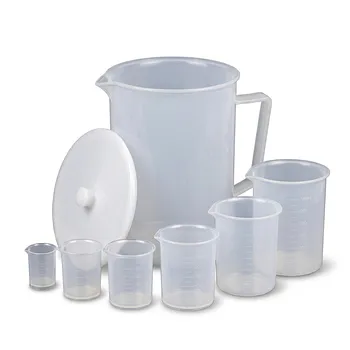
- High Purity PFA Beakers with Handles Large Capacity Chemical Resistant Teflon Laboratory Beakers and Custom Cleaning Baskets
People Also Ask
- What are the advantages of high-purity PFA labware for NiFe catalyst prep? Ensure Precision and Trace-Level Purity.
- What are the technical advantages of using high-purity PFA containers for MSN synthesis? Boost Purity and Yield
- What technical advantages does high-purity PFA labware provide in trace fluorescence detection? Ensure Peak Sensitivity
- Why is high-purity PFA labware preferred when preparing mixed solutions? Prevent Trace-Metal Leaching & Contamination
- What are the core advantages of high-purity PFA labware? Achieve Unmatched Precision in Trace Analysis