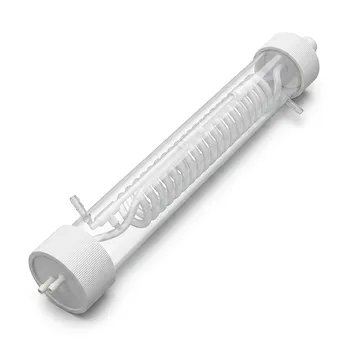
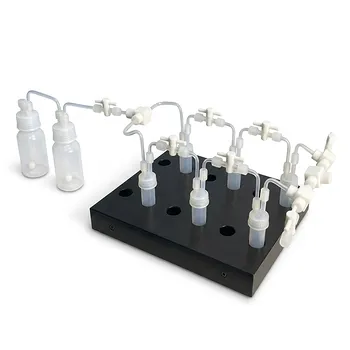
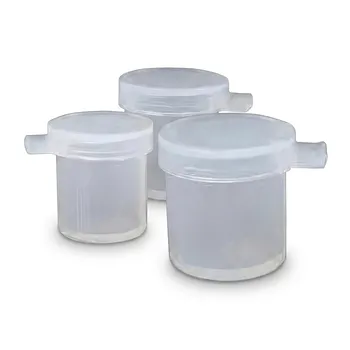
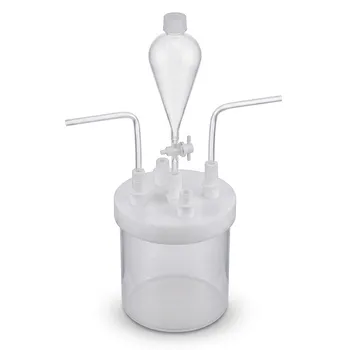
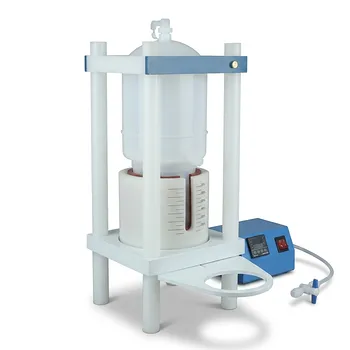
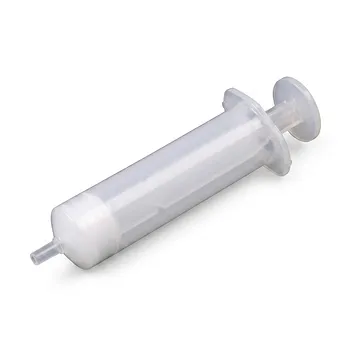
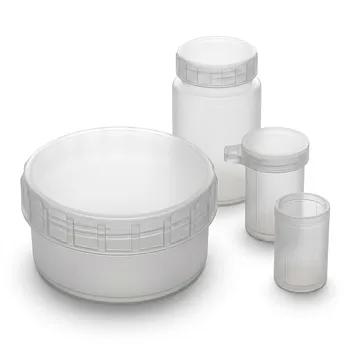
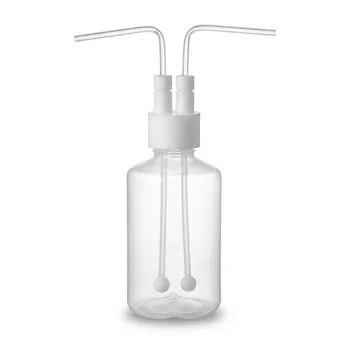
High-purity Perfluoroalkoxy (PFA) laboratory equipment is the industry standard for trace analysis of Lanthanide Metal-Organic Frameworks (Ln-MOFs) due to its near-zero metal ion leaching and exceptional surface inertness. These properties ensure that the delicate lanthanide concentrations being measured are neither contaminated by the container nor lost to its walls, maintaining the integrity of sensitive performance data.
The primary value of PFA in Ln-MOF research is its ability to provide a chemically "silent" environment. By eliminating background interference and preventing analyte loss, PFA ensures that analytical results reflect the true composition of the MOF rather than laboratory artifacts.
Eliminating Background Interference
The Critical Need for Low Metal Leaching
In trace analysis, the detection limits are often governed by the "blank" value or the baseline contamination present in the system. High-purity PFA features an extremely low metal ion leaching rate, which prevents the introduction of external impurities into the sample.
Why Traditional Glassware Fails
Standard laboratory glass is composed of silicates and various metal oxides that can leach ions like sodium, boron, and aluminum into solution. When analyzing lanthanide elements at trace levels, this leaching can significantly skew data and mask the actual concentration of the target metals.
Ensuring High-Purity Baselines
Using PFA bottles and volumetric flasks allows researchers to maintain a high-purity environment throughout the preparation process. This is essential for achieving the ultra-high sensitivity required in advanced chemical research and performance testing of Ln-MOFs.
Maintaining Sample Integrity and Concentration
The Challenge of Surface Adsorption
Lanthanide ions are prone to "sticking" or adsorbing onto the surface of many laboratory materials, which leads to a decrease in the measured concentration of the sample. High-purity PFA possesses superior anti-adsorption properties, ensuring that target analytes remain in the liquid phase.
Improving Reproducibility
When analytes are lost to the walls of a container, experimental results become inconsistent and difficult to replicate. The hydrophobic and non-stick nature of PFA minimizes these residues, directly enhancing the reproducibility of the analytical data.
Preventing Cross-Contamination
Because PFA is highly resistant to sample carry-over, it reduces the risk of cross-contamination between different batches of MOFs. This ensures that the specific lanthanide signature of one framework does not interfere with the analysis of another.
Durability in Aggressive Analytical Workflows
Superior Chemical Resistance
The analysis of MOFs often requires sample digestion using strong acids or bases to break down the organic framework. PFA material is exceptionally inert and can withstand these harsh reagents without degrading or releasing contaminants into the sample.
Thermal Stability for Sample Prep
Many trace analysis protocols involve heating or digestion at elevated temperatures to ensure complete dissolution. PFA maintains its structural integrity and purity across a wide temperature range, making it safer and more reliable than standard plastics.
Longevity in the Laboratory
Unlike glass, which can etch or become porous over time when exposed to corrosive chemicals, PFA remains smooth and non-reactive. This longevity ensures that the low background values remain consistent over the entire lifespan of the equipment.
Understanding the Trade-offs
The Cost of High Purity
The primary drawback of high-purity PFA is its significant initial cost compared to glass or standard polymers like HDPE. However, this is generally viewed as a necessary investment to avoid the far higher cost of invalidated research data and repeated experiments.
Mechanical Limitations
While PFA is chemically robust, it is a "soft" plastic compared to glass, meaning it can be deformed under extreme pressure or scratched by abrasive cleaning. Users must employ specialized cleaning protocols—often involving acid soaking rather than mechanical scrubbing—to maintain the surface integrity.
Optical Transparency
PFA is translucent rather than transparent, which can make it more difficult to observe subtle color changes or precipitate formation during a reaction. Researchers must often rely on precise volumetric markings and external sensors to monitor sample status.
How to Apply This to Your Project
Recommendations for Equipment Selection
- If your primary focus is achieving the lowest detection limits: Use PFA volumetric flasks and reagent bottles for all mother liquor preparations to eliminate leaching.
- If your primary focus is sample digestion and recovery: Utilize PFA beakers and digestion tubes to ensure that no lanthanide ions are lost to the container walls during the breakdown process.
- If your primary focus is long-term storage of standards: Select high-purity PFA bottles to prevent the gradual change in concentration that occurs in glass due to ion exchange and adsorption.
High-purity PFA is the definitive choice for researchers who require absolute certainty in the accuracy and sensitivity of their lanthanide trace analysis.
Summary Table:
| Feature | PFA Benefit | Impact on Ln-MOF Trace Analysis |
|---|---|---|
| Metal Leaching | Near-zero leaching rate | Eliminates background interference & blank value errors |
| Surface Adsorption | Hydrophobic & non-stick | Prevents loss of lanthanide ions to container walls |
| Chemical Resistance | Inert to strong acids/bases | Withstands harsh digestion reagents without degradation |
| Thermal Stability | High temperature range | Ensures safety and purity during heated sample prep |
| Durability | Non-porous & non-reactive | Maintains consistent low backgrounds over long-term use |
Elevate Your Trace Analysis Precision with KINTEK
Achieving the ultra-low detection limits required for Lanthanide Metal-Organic Frameworks (Ln-MOFs) research demands the highest purity labware. At KINTEK, we maintain an exclusive and absolute focus on high-performance fluoropolymer materials to provide a chemically "silent" environment for your most sensitive analytical work.
From everyday basics like beakers, measuring cylinders, crucibles, and reagent/wash bottles to high-purity trace analysis instruments and comprehensive fluid transfer components (tubing, fittings, valves), we offer everything needed to eliminate contamination. Our expertise extends to sample prep tools (separatory funnels, filters, pipettes, tweezers) and advanced reaction apparatus, including hydrothermal synthesis liners, microwave digestion vessels, and custom electrochemical cells designed for harsh analytical workflows.
Whether you need high-volume consumables or complex non-standard machined parts via our end-to-end custom CNC fabrication, KINTEK is equipped to deliver absolutely everything your laboratory requires with bespoke precision.
Contact our experts today to secure your high-purity PFA laboratory setup!
References
- Kankan Patra, Haridas Pal. Lanthanide-based metal–organic frameworks (Ln-MOFs): synthesis, properties and applications. DOI: 10.1039/d4su00271g
This article is also based on technical information from Kintek Knowledge Base .
Related Products
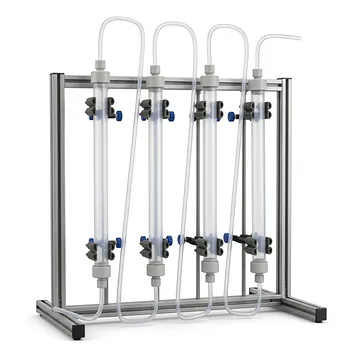
- High Purity PFA Chromatography Columns Series Filtration Resin Ion Exchange System with Sieve Plate Rack Customizable Corrosion Resistant Laboratory Fluid Handling
- High Purity PFA Laboratory Rectangular Tank Corrosion Resistant Acid Cleaning Bath for Silicon Wafer Processing and Trace Analysis
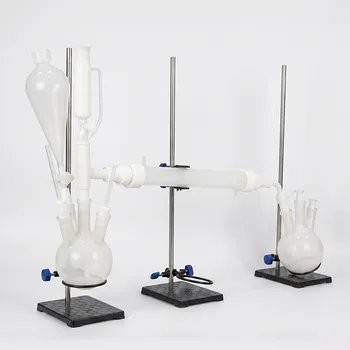
- High Purity PFA Constant Pressure Condensation Reaction System Acid Resistant High Temperature Customizable Teflon Labware
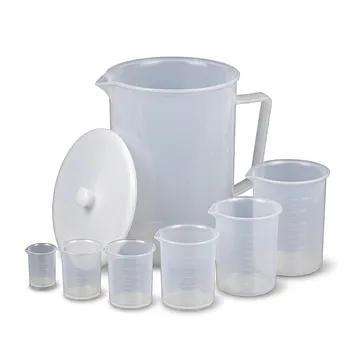
- High Purity PFA Crucible and Corrosion Resistant PTFE Beaker for Trace Analysis and Custom Laboratory Applications
- High Purity PFA Rectangular Laboratory Acid Cleaning Tank Corrosion Resistant Silicon Wafer Washing Bath
People Also Ask
- Why are high-purity PTFE or PFA laboratory products preferred in chemical synthesis and sample preparation processes?
- How does high-purity PFA tubing maintain reagent purity? Achieve Ultra-Smooth, Zero-Contamination Fluid Transfer
- Why are high-purity PFA fluid transfer components preferred for battery electrolytes? Ensure Purity & Data Accuracy
- How does surfactant choice during fluoropolymer synthesis affect the molecular weight and Melt Flow Rate (MFR) of PFA resin used in high-performance laboratory equipment?
- What are the structural and thermal performance advantages of PFA resin compared to FEP and standard PTFE in high-purity laboratory labware and fluid transfer systems? Discover how PFA combines PTFE-level endurance with melt processability.