High-purity PTFE and PFA materials are preferred because they provide near-absolute chemical inertness and extremely low leaching profiles. Unlike traditional materials, these fluoropolymers do not react with aggressive reagents or release trace metal ions into the sample. This ensures the chemical integrity of the reaction system and the accuracy of high-sensitivity analytical results.
The primary value of PTFE and PFA labware lies in its ability to act as a "blank slate" for chemical processes. By preventing both contamination from the container and sample loss through surface adsorption, these materials ensure that experimental data is a true reflection of the sample rather than the vessel.
Eliminating Contamination in Sensitive Environments
The Danger of Metal Ion Leaching
Traditional laboratory materials, such as borosilicate glass, can leach metal ions and other impurities into a solution when exposed to corrosive chemicals. High-purity PFA and PTFE possess an extremely low leaching background, ensuring that the reaction system remains uncontaminated. This is a critical foundation for achieving reproducibility in high-level analytical research and fine chemical synthesis.
Superior Chemical Inertness
These fluoropolymers remain virtually non-reactive even when in contact with the most aggressive substances, including strong acids, strong bases, and organic solvents. They are essential for processes involving aqua regia or nitric acid, where other materials would degrade. This stability protects the sample and prevents the introduction of secondary contamination from the container walls.
Maintaining Reagent Purity During Storage
Storing high-purity chemicals requires containers that do not degrade or release particles over time. PFA bottles are the industry standard for semiconductor-grade chemicals and trace analysis reagents because they maintain the original purity of the liquid. They ensure that the background contamination remains below detectable limits during long-term storage.
Optimizing Sample Recovery and Quantitative Accuracy
Minimizing Surface Adsorption
In trace element analysis, even a tiny amount of sample adhering to the container wall can lead to falsely low results. High-purity PTFE and PFA exhibit extremely low surface adsorption, preventing trace elements from "sticking" to the vessel. This property is vital for environmental sediment analysis where extremely low detection limits are required.
Non-Stick Properties in Sample Transfer
The excellent non-stick surface properties of fluoropolymers facilitate the complete transfer of valuable samples. During centrifugation or liquid handling, these materials significantly reduce sample loss caused by adherence to the tube walls. This ensures that the component integrity of rare or expensive materials is maintained throughout the workflow.
Enhancing Performance in Extreme Conditions
PTFE and PFA labware maintain their physical structural stability even under harsh conditions like high-temperature solvothermal synthesis. While traditional glassware might fail or introduce silica into the mix, fluoropolymer liners provide a safe and stable environment. This reliability is essential for the consistent synthesis of nanomaterials and other advanced compounds.
Understanding the Trade-offs
Cost and Material Clarity
The primary trade-off when choosing high-purity fluoropolymers is the significantly higher cost compared to standard glass or plastic. Furthermore, while PFA is translucent, it is not as transparent as glass, which can make visual monitoring of certain reactions more difficult. PTFE is completely opaque, which may necessitate the use of external sensors or specialized viewing ports.
Thermal and Mechanical Limitations
While fluoropolymers handle heat well, they cannot be exposed to direct flames or temperatures exceeding their specific melting points (approx. 260°C to 300°C). They are also softer than glass, meaning they can be scratched or deformed if handled with sharp metal tools. Users must balance the need for chemical purity with these specific physical handling requirements.
Making the Right Choice for Your Goal
To select the appropriate material for your laboratory, consider the specific demands of your application:
- If your primary focus is trace element analysis: Utilize PFA labware to ensure the lowest possible metal ion leaching and maximum sample recovery.
- If your primary focus is bulk chemical synthesis with strong acids: Choose PTFE for its cost-effective durability and near-universal chemical resistance.
- If your primary focus is high-speed centrifugation of corrosive samples: Select high-purity fluoropolymer tubes to prevent material leaching under high-stress rotation.
- If your primary focus is the storage of semiconductor-grade reagents: Standardize on PFA bottles to prevent the degradation of reagent purity over time.
By matching the specific properties of PTFE and PFA to your experimental needs, you ensure the highest levels of data integrity and sample protection.
Summary Table:
| Feature | PTFE (Polytetrafluoroethylene) | PFA (Perfluoroalkoxy) |
|---|---|---|
| Appearance | Opaque, White | Translucent, Semi-clear |
| Chemical Resistance | Universal (pH 0-14) | Universal (pH 0-14) |
| Leaching Profile | Extremely Low | Lowest (Ideal for trace analysis) |
| Surface Property | Hydrophobic & Non-stick | Extremely Smooth & Non-stick |
| Best Application | Bulk synthesis, liners, seals | Trace metal analysis, reagent storage |
Precision Crafted. Purity Guaranteed.
Ensure the integrity of your most sensitive chemical processes with KINTEK’s high-performance fluoropolymer solutions. We manufacture virtually all imaginable laboratory supplies crafted from PTFE and PFA, providing an absolute focus on material performance and contamination control.
Our extensive range includes:
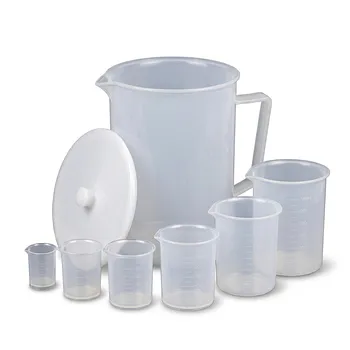
- Basic Labware: Beakers, measuring cylinders, crucibles, dishes, reagent/wash bottles, centrifuge and digestion tubes.
- Trace Analysis & Storage: High-purity analysis instruments and cleaning/storage tanks.
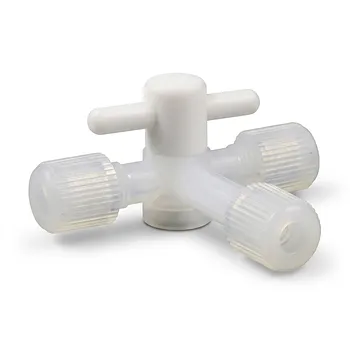
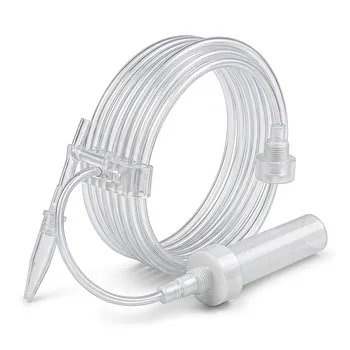
- Fluid Transfer: Tubing, fittings, and valves.
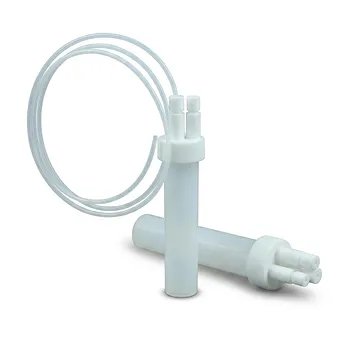
- Sample Prep & Filtration: Separatory funnels, burettes, filters, pipettes, tweezers, and spatulas.
- General Consumables: Stirring bars, O-rings, gaskets, seal tapes, and septa.
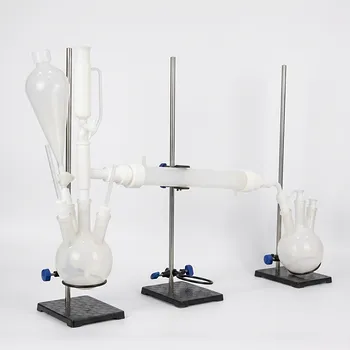
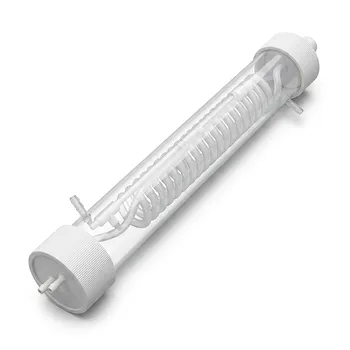
- Advanced Apparatus: Standard or custom electrochemical cells, battery testing fixtures, hydrothermal synthesis liners, microwave digestion vessels, microchannel reactors, and condensation/reflux devices.
Whether you require high-volume orders or complex, non-standard machined parts through our end-to-end custom CNC fabrication, KINTEK is equipped to deliver exactly what your research demands.
Contact KINTEK today to discuss your custom laboratory needs!
References
- Pusit Pookmanee, Thipsuda Pookmanee. Green Hydrothermal Synthesis of Dual‐Phase Submicron Cu <sub>2</sub> O‐CuO Particles Using Corn Husk Extract for Enhanced Antibacterial Applications. DOI: 10.1002/slct.202502184
This article is also based on technical information from Kintek Knowledge Base .
Related Products
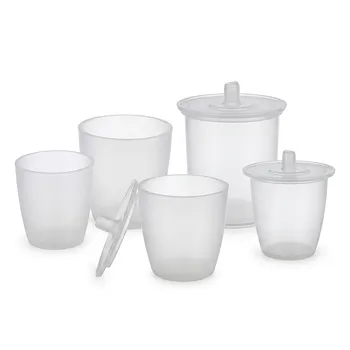
- High Purity PFA Crucible and Corrosion Resistant PTFE Beaker for Trace Analysis and Custom Laboratory Applications
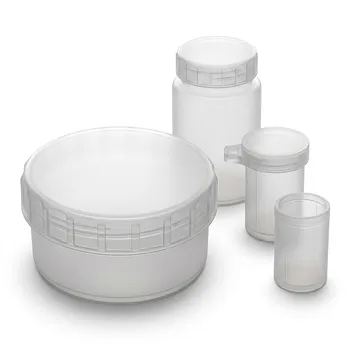
- PFA Reaction Jar Corrosion Resistant Wide Mouth PTFE Lab Bottle High Purity Chemical Vessel
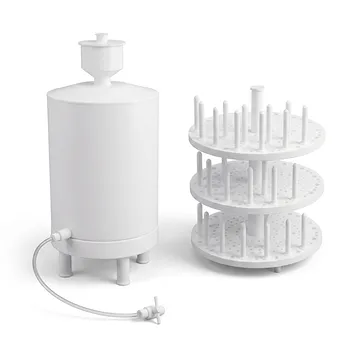
- High Purity Corrosion Resistant PTFE Acid Reflux Cleaning System for Laboratory Trace Analysis
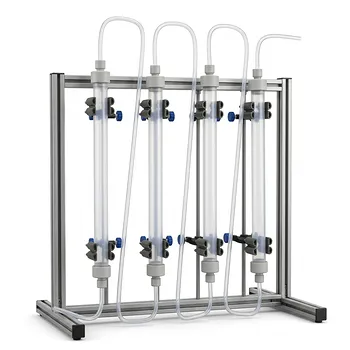
- High Purity PFA Chromatography Columns Series Filtration Resin Ion Exchange System with Sieve Plate Rack Customizable Corrosion Resistant Laboratory Fluid Handling
- High Purity PFA Constant Pressure Condensation Reaction System Acid Resistant High Temperature Customizable Teflon Labware
People Also Ask
- Why are high-purity vessels critical for BiFeO3 synthesis? Ensuring Phase Purity
- Why is the use of high-purity PFA or PTFE labware critical during TiO2 nanoparticle purification? Protect Sample Purity
- Why is high-purity PFA labware necessary for Znx@LS-2 zeolite ICP-OES analysis? Ensure Trace-Level Precision
- Why is high-purity PFA trace analysis labware used for MXene? Ensure Superior Material Integrity in Research
- What key material characteristics make PTFE and PFA suitable for high-purity laboratory labware, trace analysis containers, and medical microporous tubing? Discover the essential properties that ensure purity.