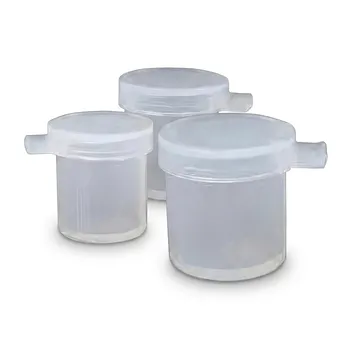
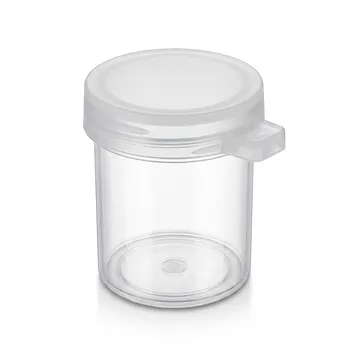
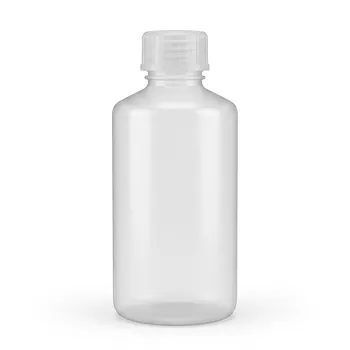
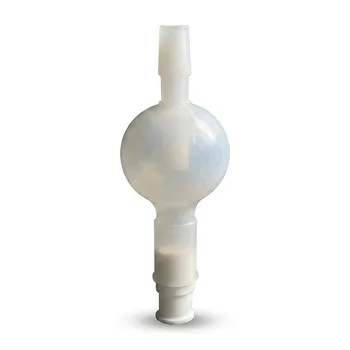
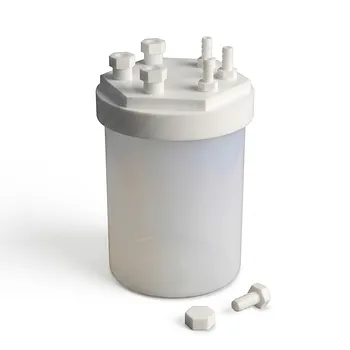
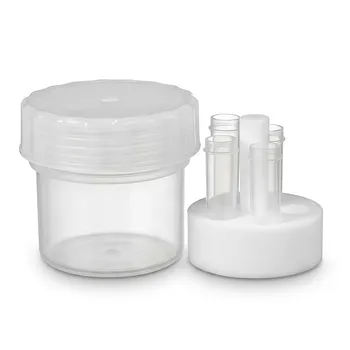
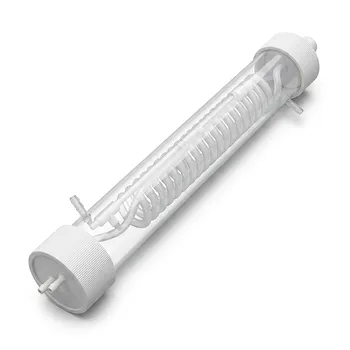
High-purity PFA containers provide a chemically inert and non-reactive environment that significantly outperforms traditional glassware in the synthesis of mesoporous silica nanoparticles (MSN). By eliminating risks associated with alkaline etching and metal ion leaching while providing a non-stick surface, PFA ensures superior purity, higher yields, and a more uniform particle size distribution.
The transition from glassware to PFA is essential for researchers who require precise control over nanoparticle morphology and ultra-trace level purity. PFA effectively removes the container as a variable, ensuring that the final material's properties are dictated solely by the intended synthesis parameters.
Eliminating Chemical Interference and Contamination
Prevention of Alkaline Etching
The sol-gel synthesis of MSN typically utilizes alkaline reagents, such as ammonia, which are known to etch the walls of traditional borosilicate glassware. This etching process introduces unwanted silicate species and other impurities into the reaction mixture, potentially altering the intended stoichiometric ratios.
High-purity PFA (Perfluoroalkoxy) is chemically resistant to these alkaline environments. It provides a stable boundary that does not react with the precursor solution, maintaining the integrity of the chemical environment throughout the synthesis process.
Mitigation of Trace Metal Leaching
Glass containers are a known source of metal ion leaching, commonly introducing elements like silicon, boron, and sodium into the reaction. In high-sensitivity applications or semiconductor-grade chemical development, these trace impurities can interfere with the nucleation of nanoparticles.
PFA containers possess an extremely low metal ion background and contain no organic additives. This makes them ideal for synthesis that reaches ppb (parts per billion) or ppt (parts per trillion) purity levels, ensuring the final MSNs are free from secondary contamination.
Enhancing Physical Control and Yield
Low Surface Energy and Non-Stick Properties
One of the primary challenges in nanoparticle synthesis is the loss of material due to adhesion on the container walls. PFA features extremely low surface energy, resulting in a non-stick surface that prevents MSNs from clinging to the vessel.
This physical property directly translates to higher yields and easier recovery of the synthesized material. Because the nanoparticles do not aggregate on the walls, the entire volume of the reaction remains active, contributing to a more efficient process.
Consistency in Particle Size and Morphology
Container-induced impurities can act as unintended nucleation sites, leading to a broader particle size distribution. By providing a "clean" background, PFA ensures that nucleation and growth occur uniformly throughout the solution.
This control is vital for achieving batch-to-batch consistency. When the interference from leached elements or etched silica is removed, the resulting MSNs exhibit more predictable and uniform morphological characteristics.
Understanding the Trade-offs
Thermal and Mechanical Limitations
While PFA is highly durable, it is softer than glass and can be prone to scratching if cleaned with abrasive tools. These scratches can eventually trap materials, although the material remains significantly more non-stick than etched glass.
Additionally, while PFA has excellent thermal stability compared to other plastics, it does not match the extreme high-temperature resistance of specialized quartz or certain borosilicate glasses. Users must ensure synthesis temperatures remain within the operating range of the fluoropolymer.
Investment and Resource Allocation
High-purity PFA labware represents a higher initial investment than standard glassware. The cost is justified in projects where purity is non-negotiable or where the loss of expensive reagents due to wall adhesion must be minimized.
Applying This to Your Research
Decision Matrix for Container Selection
Selecting the right vessel depends on the specific requirements of your synthesis and the sensitivity of your downstream applications.
- If your primary focus is ultra-trace purity or semiconductor-grade synthesis: Transitioning to PFA is necessary to eliminate the leaching of sodium, boron, and silicon from glass.
- If your primary focus is maximizing yield and particle uniformity: Utilize PFA’s low surface energy to prevent nanoparticle adhesion and ensure a more controlled nucleation environment.
- If your primary focus is cost-effective, large-scale screening at neutral pH: Traditional glassware may suffice, provided the reagents are not aggressive enough to cause significant etching.
The shift to high-purity PFA containers is a strategic technical choice that prioritizes the chemical integrity and physical precision of the nanoparticle synthesis environment.
Summary Table:
| Feature | Traditional Glassware | High-Purity PFA |
|---|---|---|
| Alkaline Resistance | Prone to etching (borosilicate) | Highly inert and resistant |
| Trace Contamination | Leaches Si, B, and Na ions | Ultra-trace (ppb/ppt) levels |
| Surface Energy | High (particles adhere to walls) | Very low (non-stick surface) |
| Particle Consistency | Variable nucleation sites | Precise morphological control |
| Material Yield | Reduced by wall adhesion | Maximized recovery |
Elevate Your Synthesis with KINTEK’s High-Performance Fluoropolymers
Precision in nanoparticle synthesis demands a contamination-free environment. KINTEK specializes in manufacturing premium PFA and PTFE laboratory supplies designed to eliminate chemical variables and maximize your research yield.
We offer a comprehensive range of solutions, from everyday basic labware—including beakers, measuring cylinders, crucibles, and reagent bottles—to high-purity trace analysis instruments and fluid transfer components like tubing, valves, and fittings. Our expertise extends to specialized sample prep tools (filters, pipettes, spatulas) and advanced reaction apparatus such as hydrothermal synthesis liners, microwave digestion vessels, and custom electrochemical cells.
Backed by end-to-end custom CNC fabrication, KINTEK is equipped to deliver everything from complex, non-standard machined parts to high-volume orders with an absolute focus on high-performance fluoropolymers. Don't let container interference compromise your data.
Contact our fluoropolymer experts today to discuss your bespoke laboratory setup!
References
- Adife Şeyda Yargıç, M. Emre Sener. Mesoporous Silica-Polyethyleneimine Composites as High-Capacity Adsorbents for CO2 Adsorption: Isotherm and Thermodynamic Analysis. DOI: 10.1007/s11270-025-07782-w
This article is also based on technical information from Kintek Knowledge Base .
Related Products
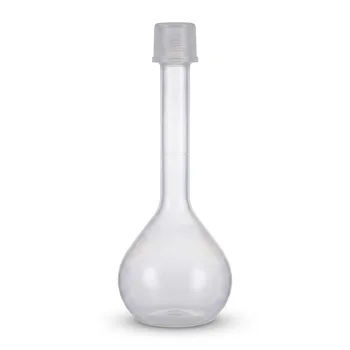
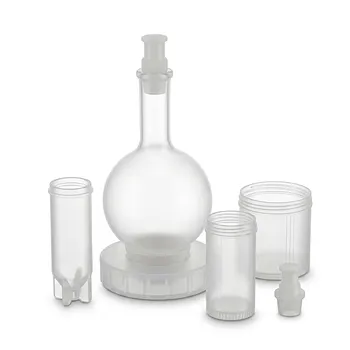
- High Purity PFA Volumetric Flask 1000ml 2000ml Constant Volume Bottle Acid Resistant Trace Analysis Custom Laboratory Labware
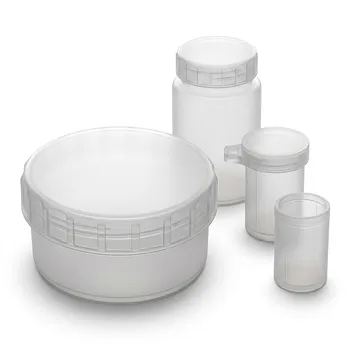
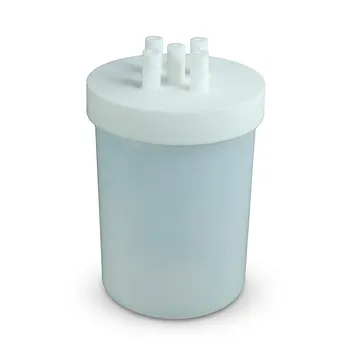
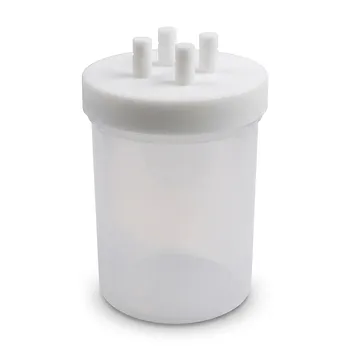
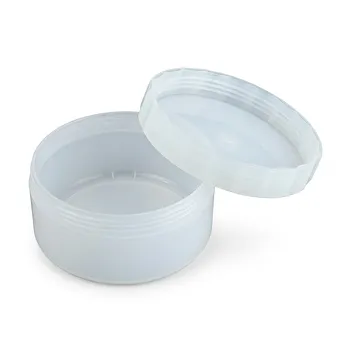
- PFA Reaction Jar Corrosion Resistant Wide Mouth PTFE Lab Bottle High Purity Chemical Vessel
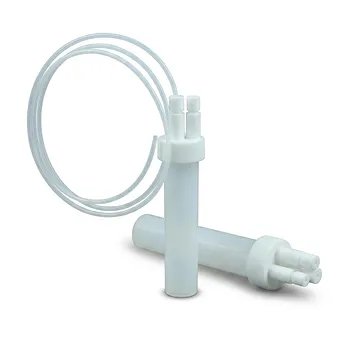
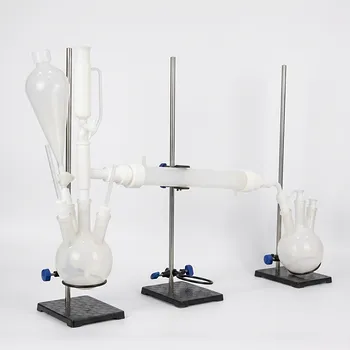
- Custom PFA Reaction Bottles High Purity PTFE Reaction Vessels Corrosion Resistant Petrochemical Containers
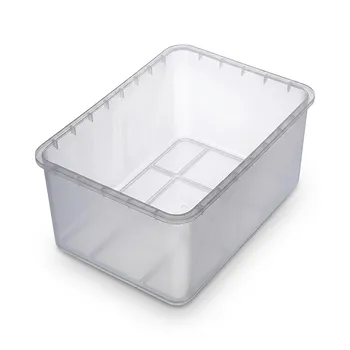
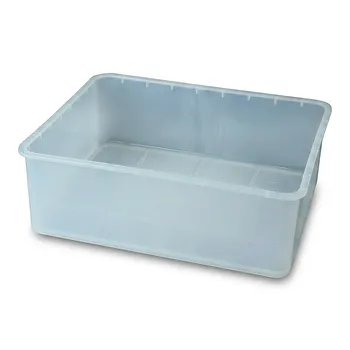
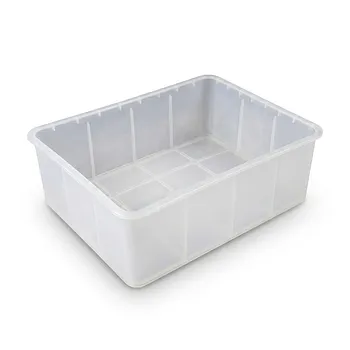
- High Purity PFA Laboratory Rectangular Tank Corrosion Resistant Acid Cleaning Bath for Silicon Wafer Processing and Trace Analysis
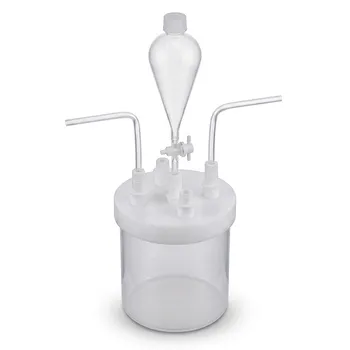
- High Purity PFA Reaction Vessel 4L Water Oxygen Separation Tank for Proton Exchange Membrane Electrolysis Experiments Customizable Laboratory Fluid Component
People Also Ask
- What are the advantages of using high-purity PFA vs. glassware? Achieve Unmatched Accuracy in Trace Analysis
- Why use high-purity PFA bottles for Carbon Quantum Dots? Ensure Ink Stability and Prevent Fluorescence Quenching
- Why is high-purity PFA trace analysis labware used for MXene? Ensure Superior Material Integrity in Research
- Why is high-purity PFA trace analysis labware used for sample processing when preparing Mo2CTx@MoS2? Ensure Material Purity
- Why is high-purity PFA labware necessary for Znx@LS-2 zeolite ICP-OES analysis? Ensure Trace-Level Precision