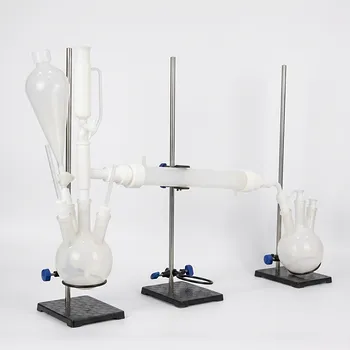
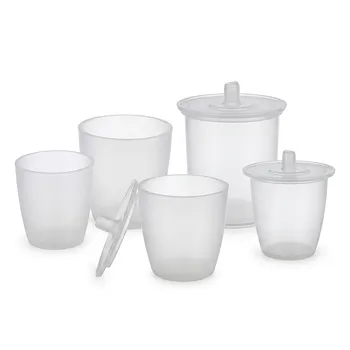
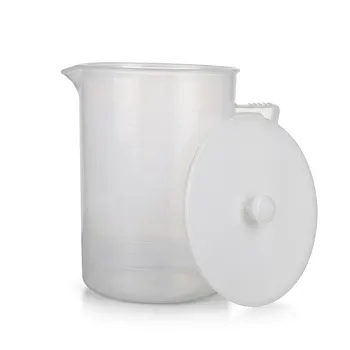
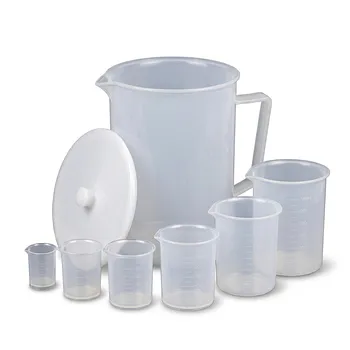
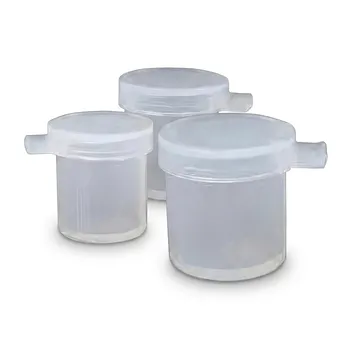
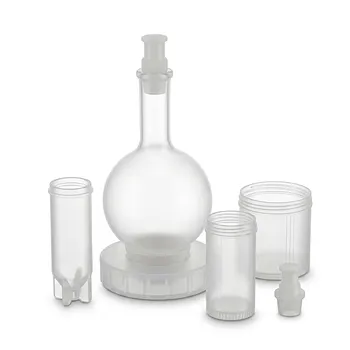
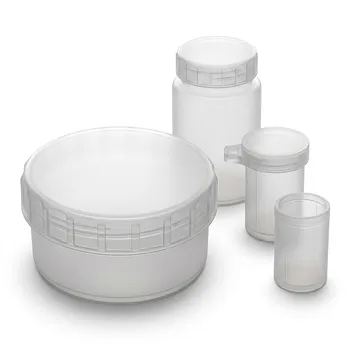
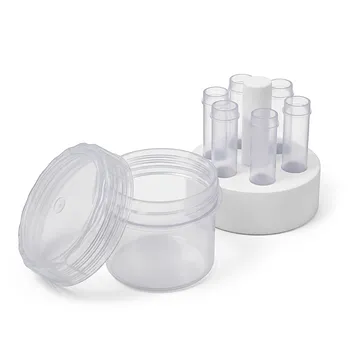
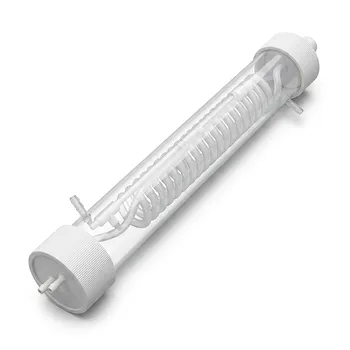
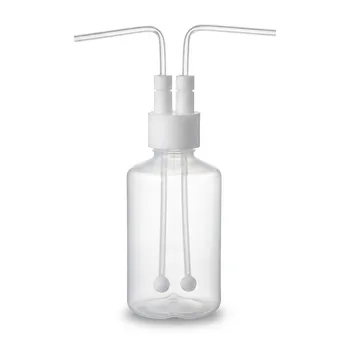
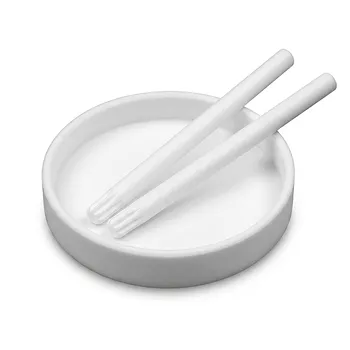
High-purity PFA labware is the gold standard for NiFe catalyst preparation because it eliminates trace element contamination and prevents the loss of dilute metal ions through surface adsorption. By providing an extremely low trace element background and superior non-stick properties, PFA ensures that the precise nickel-to-iron (Ni/Fe) ratio is maintained from preparation to deposition. This level of control is vital for achieving reproducible electrochemical performance in low-concentration precursor solutions.
Core Takeaway: Using PFA labware ensures the chemical integrity of NiFe precursors by preventing the leaching of impurities and the adsorption of metal ions onto container walls, thereby maintaining the exact stoichiometry required for high-performance catalyst deposition.
The Impact of Surface Interactions on Stoichiometry
Preventing Metal Ion Adsorption
When working with dilute solutions, such as metal nitrates at the 3 mM level, the ratio of container surface area to the number of metal ions is high. High-purity PFA (Perfluoroalkoxy) possesses extremely low surface energy, which minimizes the tendency of Ni and Fe ions to stick to the walls of the vessel. This ensures that the concentration of the solution remains stable and the intended stoichiometry is delivered to the catalyst substrate.
Maintaining the Critical Ni/Fe Ratio
The efficiency of NiFe catalysts is highly sensitive to the specific ratio of the two metals. Any loss of iron or nickel due to adsorption on container walls can shift the chemical balance, leading to suboptimal catalyst structures. PFA labware protects this precision, ensuring that the synthesized catalyst matches the optimized theoretical or experimental models.
Improving Experimental Reproducibility
Reproducibility is a cornerstone of catalyst research, particularly when optimizing deposition processes. Unlike conventional glassware, which can have inconsistent surface properties, PFA provides a predictably inert environment. This consistency allows researchers to replicate results across different batches and experimental setups with high confidence.
Eliminating Contamination and Interference
Minimizing Trace Element Leaching
Standard laboratory glassware can leach environmental impurities, such as silica or various metal ions, into the precursor solution. High-purity PFA has a near-zero metal impurity leaching rate, which prevents external ions from contaminating the catalyst surface. This is particularly important for NiFe systems, where even trace foreign cations can interfere with the coordination environment or active sites.
Protecting Surface Energy and Plane Composition
In advanced catalyst synthesis, the goal is often to achieve a specific surface structure or crystal plane. Impurities leached from containers can poison these active sites or alter the hydrogen adsorption energy, degrading the catalyst's performance. PFA ensures that the precursor chemistry remains "clean," allowing the intended surface structure to form without interference.
Chemical Inertness Across Reagents
NiFe precursors are often prepared in various solvents, including water or alcohols like methanol. PFA exhibits exceptional chemical stability across a wide range of reagents, ensuring that the container does not react with or degrade in the presence of metal nitrate precursors or dopants. This inertness is essential for preserving the purity of the reaction system.
Understanding the Trade-offs
High Initial Investment
The primary drawback of high-purity PFA labware is its significantly higher cost compared to standard borosilicate glassware. For labs on a tight budget, the expense of a full suite of PFA volumetric flasks and pipettes can be a barrier. However, this is often offset by the reduction in failed experiments and the increased reliability of data.
Temperature and Physical Limitations
While PFA is chemically robust, it has lower thermal stability than quartz or certain specialized glasses. It cannot be used for high-temperature fusions or applications involving direct flame. Additionally, PFA is a softer material that can be easily scratched if cleaned with abrasive tools, which could potentially create sites for contamination.
How to Apply This to Your Project
Making the Right Choice for Your Goal
- If your primary focus is high-precision stoichiometry: Use PFA volumetric flasks and pipettes to ensure that every micromole of Ni and Fe intended for the solution actually reaches the deposition stage.
- If your primary focus is trace-level catalyst doping: Prioritize PFA storage bottles to prevent the leaching of background metals that could mask the effects of your intended dopants.
- If your primary focus is maximizing sample recovery: Leverage the non-stick properties of PFA beakers and reaction vessels to minimize the loss of expensive or labor-intensively synthesized precursors.
Utilizing high-purity PFA labware transforms the container from a potential source of error into a controlled, inert environment that guarantees the chemical precision of your catalyst synthesis.
Summary Table:
| Feature | High-Purity PFA Labware | Standard Borosilicate Glass |
|---|---|---|
| Trace Leaching | Near-zero metal impurity leaching | Risk of silica and metal ion leaching |
| Surface Energy | Extremely low (Non-stick) | Higher (Ion adsorption risk) |
| Stoichiometry | Maintains exact Ni/Fe ratios | Risk of shifting chemical balance |
| Chemical Stability | Exceptional across all reagents | Vulnerable to specific corrosives |
| Reproducibility | High (Inert environment) | Variable (Surface interactions) |
Precision in catalyst synthesis demands an environment free of contamination. KINTEK provides a comprehensive range of high-performance fluoropolymer solutions designed specifically for critical research.
Whether you need everyday essentials like beakers, measuring cylinders, and reagent bottles, or specialized high-purity trace analysis instruments and cleaning tanks, our PTFE and PFA products ensure total chemical integrity. Our expertise extends to fluid transfer components (tubing, valves), sample prep tools (filters, pipettes), and advanced reaction apparatus, including custom electrochemical cells, battery testing fixtures, and microwave digestion vessels.
Backed by end-to-end custom CNC fabrication, KINTEK can deliver everything from high-volume consumables to bespoke, non-standard machined parts tailored to your unique NiFe deposition workflow. Contact us today to secure the chemical precision your research deserves!
References
- Chi‐Huang Chuang, Yuh‐Jen Cheng. Sonochemical Deposition of a Highly Active NiFe Hydroxide Electrocatalyst for Oxygen Evolution Reaction. DOI: 10.1021/acs.energyfuels.5c04243
This article is also based on technical information from Kintek Knowledge Base .
Related Products
- High Purity PFA Constant Pressure Condensation Reaction System Acid Resistant High Temperature Customizable Teflon Labware
- High Purity PFA Crucible and Corrosion Resistant PTFE Beaker for Trace Analysis and Custom Laboratory Applications
- High Purity PFA Beaker with Handle and Large Capacity Washable Soak Basket Multi Spec Teflon Laboratory Labware
- High Purity PFA Beakers with Handles Large Capacity Chemical Resistant Teflon Laboratory Beakers and Custom Cleaning Baskets
- High Purity PFA Sample Dissolution Cups Acid Resistant Chemical Digestion Vessels with Lids Trace Analysis Labware
People Also Ask
- Why is high-purity PFA labware preferred when preparing mixed solutions? Prevent Trace-Metal Leaching & Contamination
- What are the core advantages of high-purity PFA labware? Achieve Unmatched Precision in Trace Analysis
- Why Is High-Purity PFA Preferred for Trace Analysis and Synthesis? Achieve Unmatched Analytical Precision
- Why use PFA labware for LiFePO4 precursor preparation? Ensure Trace Metal Purity & Superior Battery Performance.
- What technical advantages does high-purity PFA labware provide in trace fluorescence detection? Ensure Peak Sensitivity