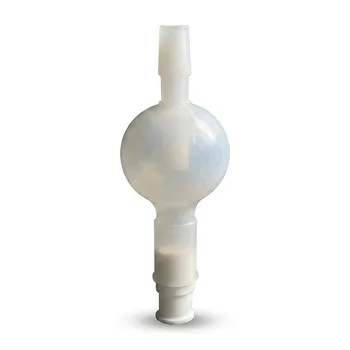
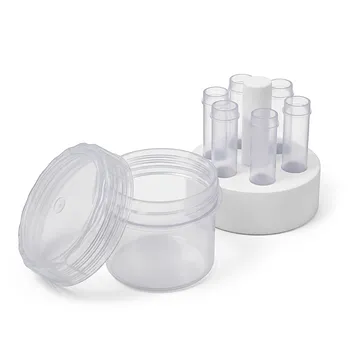
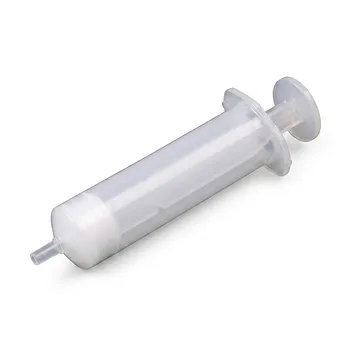
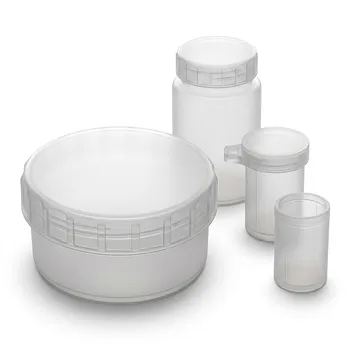
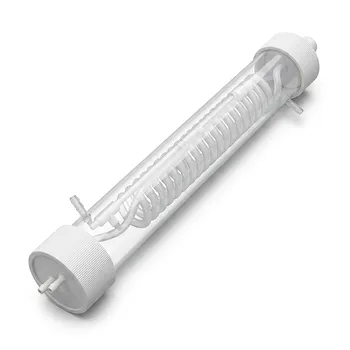
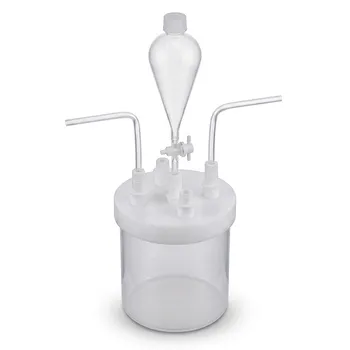
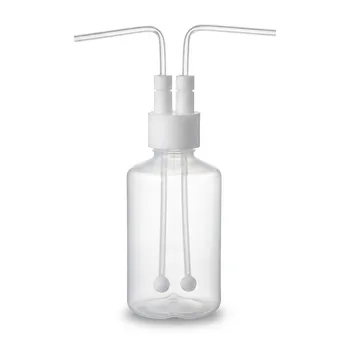
High-purity PFA (Perfluoroalkoxy) is the premier material for ultra-trace analysis. It outperforms glass and standard plastics by virtually eliminating ion leaching and analyte adsorption. This unique combination ensures that analytical measurements remain accurate and reproducible at parts-per-billion (ppb) or even parts-per-trillion (ppt) levels.
High-purity PFA provides an chemically inert, ultra-clean environment that prevents both background contamination and sample loss. This dual protection is essential for maintaining the integrity of samples in high-sensitivity detection workflows.
Eliminating Background Contamination
Superior Chemical Inertness
PFA is characterized by its exceptional chemical stability, which allows it to withstand aggressive acids and solvents without degrading. Unlike other materials, it does not react with the sample or the matrix, ensuring the chemical environment remains unchanged.
Absence of Additives and Residual Ions
Standard plastics often contain organic additives, plasticizers, or residual metal ions from the manufacturing process. High-purity PFA contains no organic additives, which eliminates the risk of these substances leaching into your sample and creating false positives.
Minimal Leaching Rates
In trace analysis, even the smallest release of ions from a container wall can ruin an experiment. PFA exhibits an extremely low metal ion leaching rate, making it the ideal choice for storing standard solutions and cleaning high-precision apparatus.
Preventing Analyte Loss and Ensuring Stability
Low Surface Energy and Adsorption
PFA possesses extremely low surface energy, which creates a "non-stick" effect at the molecular level. This property minimizes the physical and chemical adsorption of target analytes onto the container walls, ensuring that the full concentration of the sample reaches the detector.
Smooth Internal Topography
The manufacturing of high-purity PFA results in exceptionally smooth interior surfaces. This smoothness further reduces the surface area available for ion binding and makes the labware significantly easier to clean thoroughly between uses.
Maintaining Solution Stability
By preventing the loss of trace solutes to the vessel walls, PFA ensures the long-term stability of ultra-high sensitivity detection results. This is particularly critical when working with low-concentration standards that must remain accurate over days or weeks.
PFA vs. Traditional Laboratory Materials
The Limitations of Glassware
Standard glassware is a significant source of alkali metal impurity dissolution, which can contaminate trace metal samples. Furthermore, the silanol groups on glass surfaces are notorious for adsorbing metal ions, leading to significant underestimation of analyte concentrations.
Issues with Standard Plastics
While common plastics like HDPE or PP are cheaper, they lack the thermal and chemical resistance of PFA. They are also more likely to leach trace organics or catalyst residues, which can interfere with complex analytical signatures.
Understanding the Trade-offs
Cost and Investment
High-purity PFA is significantly more expensive than glass or standard polymers. While the initial investment is high, the reduction in failed experiments and the longevity of the material often justify the cost in specialized laboratories.
Physical Characteristics
PFA is translucent rather than transparent, which can make visual volume determination slightly more difficult than with clear glass. Additionally, while it has a wide temperature range, it is softer than glass and can be prone to mechanical deformation if handled roughly at extreme temperatures.
Cleaning Requirements
To maintain its "ultra-pure" status, PFA requires specialized acid-leaching protocols before its first use. Failing to properly pre-clean the material can negate its inherent purity advantages by introducing environmental contaminants.
Choosing the Right Labware for Your Workflow
How to Apply This to Your Project
- If your primary focus is PPT-level trace metal detection: Use high-purity PFA for all beakers, reagent bottles, and sample digestion vessels to ensure the lowest possible background.
- If your primary focus is long-term storage of standard solutions: Opt for PFA reagent bottles to maintain concentration stability and prevent ion loss through adsorption.
- If your primary focus is routine cleaning and preparation: Utilize PFA wash bottles to ensure that cleaning liquids do not introduce trace metal contaminants into your high-precision apparatus.
High-purity PFA is the definitive solution for researchers who require absolute confidence in the purity and stability of their trace analytical data.
Summary Table:
| Feature | High-Purity PFA | Glassware | Standard Plastics (HDPE/PP) |
|---|---|---|---|
| Chemical Inertness | Exceptional (Acid/Solvent Stable) | Good (Moderate) | Variable (Low Thermal/Chem Resistance) |
| Ion Leaching | Extremely Low (PPT Levels) | High (Alkali Metals/Impurity) | Moderate (Additives/Catalysts) |
| Analyte Adsorption | Minimal (Low Surface Energy) | High (Silanol Groups) | Moderate (Surface Trapping) |
| Ideal Application | Ultra-trace Analysis (PPB/PPT) | General Chemistry | Routine Sample Prep/Storage |
Elevate Your Analytical Precision with KINTEK
Don’t let background contamination or sample loss compromise your research. KINTEK specializes in high-performance fluoropolymer solutions designed specifically for the most demanding trace analysis workflows.
Whether you require everyday basics like PFA beakers, reagent bottles, and digestion tubes, or advanced custom-machined PFA reaction apparatus and electrochemical cells, we deliver the purity you need. Our end-to-end custom CNC fabrication allows us to provide everything from complex, non-standard parts to high-volume orders with an absolute focus on PTFE and PFA excellence.
Ready to upgrade your lab's integrity? Contact us today to discuss your custom PFA requirements and experience the KINTEK advantage!
References
- Melena Groß, Hans‐Jürgen Meyer. Hydrothermal Synthesis and Characterization of the Melamine‐Based Second‐Harmonic Generation Material HgCl<sub>2</sub>(C<sub>3</sub>N<sub>6</sub>H<sub>6</sub>). DOI: 10.1002/ejic.202500256
This article is also based on technical information from Kintek Knowledge Base .
Related Products
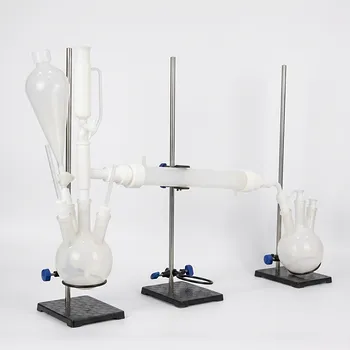
- High Purity PFA Constant Pressure Condensation Reaction System Acid Resistant High Temperature Customizable Teflon Labware
- High Purity PFA Crucible and Corrosion Resistant PTFE Beaker for Trace Analysis and Custom Laboratory Applications
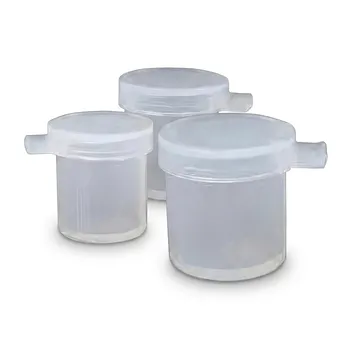
- High Purity PFA Sample Dissolution Cups Acid Resistant Chemical Digestion Vessels with Lids Trace Analysis Labware
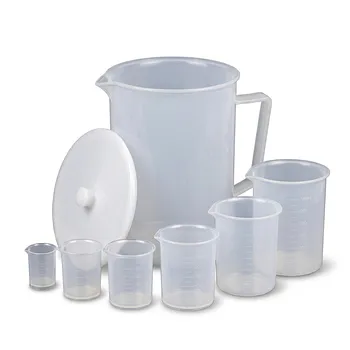
- High Purity PFA Beakers with Handles Large Capacity Chemical Resistant Teflon Laboratory Beakers and Custom Cleaning Baskets
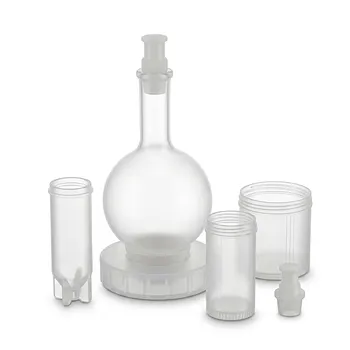
- Custom PFA Pear Shaped Flask High Purity Corrosion Resistant Labware Custom Molded Fluoropolymer Flask Glass Replacement Solution
People Also Ask
- Why is high-purity PFA labware preferred when preparing mixed solutions? Prevent Trace-Metal Leaching & Contamination
- Why Is High-Purity PFA Preferred for Trace Analysis and Synthesis? Achieve Unmatched Analytical Precision
- Why use PFA labware for LiFePO4 precursor preparation? Ensure Trace Metal Purity & Superior Battery Performance.
- What technical advantages does high-purity PFA labware provide in trace fluorescence detection? Ensure Peak Sensitivity
- What are the advantages of high-purity PFA labware for NiFe catalyst prep? Ensure Precision and Trace-Level Purity.