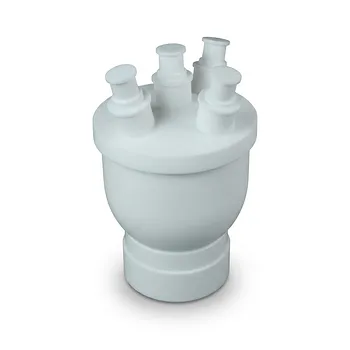
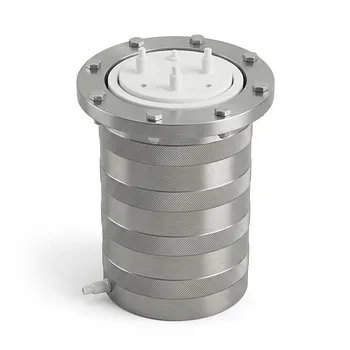
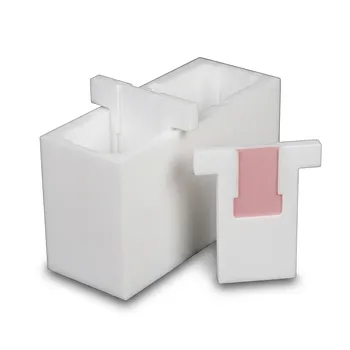
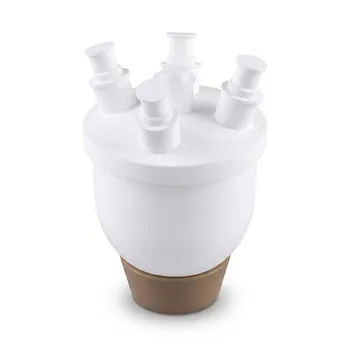
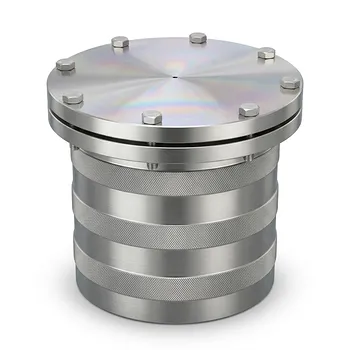
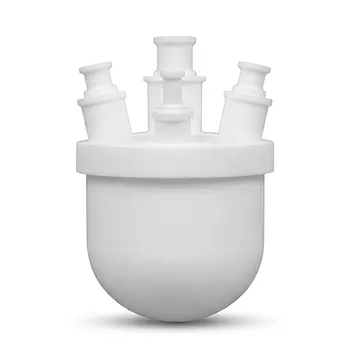
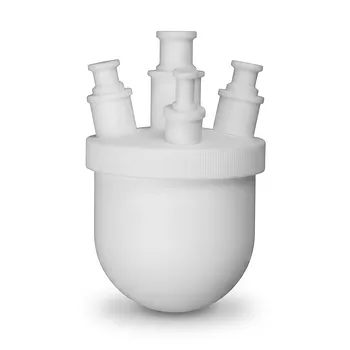
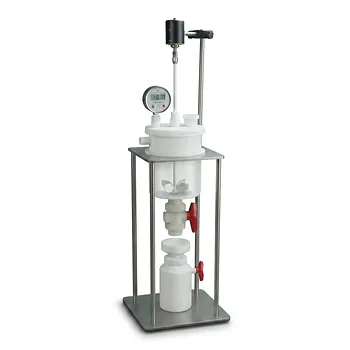
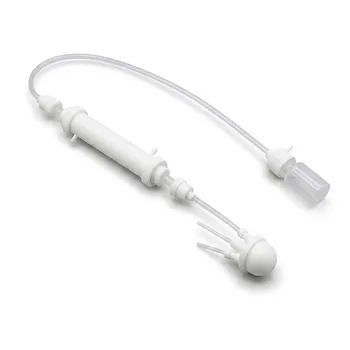
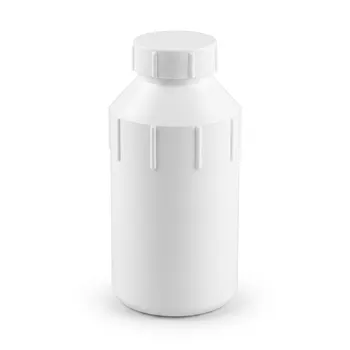
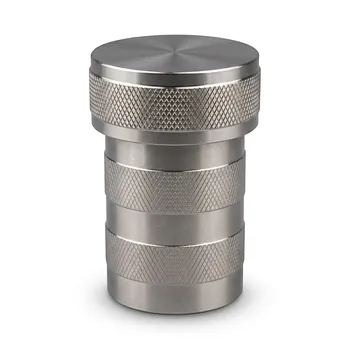
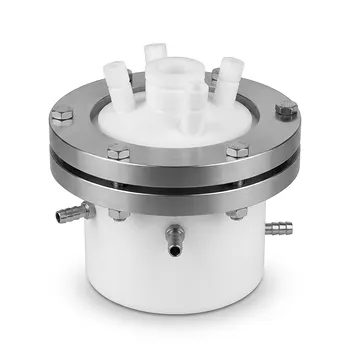
A Teflon-lined solvothermal reactor is the industry standard for synthesizing ZrO2/UiO-66-NH2 composites because it facilitates the controlled thermal degradation of the MOF framework under high-pressure conditions. By providing a chemically inert and non-adhesive environment at temperatures up to 220°C, the liner enables the in-situ generation of ultrafine ZrO2 nanoparticles and oxygen vacancies without compromising the structural integrity of the reactor's stainless steel shell.
Core Takeaway: The Teflon liner acts as a critical reaction vessel that survives aggressive organic solvents and high temperatures, allowing for the precise chemical transformation of UiO-66-NH2 into a zirconia-enhanced composite while maintaining high sample purity.
Facilitating High-Temperature Chemical Resistance
Protecting the Structural Integrity
The primary role of the Teflon (PTFE) liner is to shield the stainless steel outer shell from the corrosive chemical environment created during synthesis. At 220°C, the mixture of MOF suspensions in ethanol and n-octanol can become highly aggressive toward metallic surfaces.
Resistance to Organic Solvents
Teflon is chosen for its exceptional chemical inertness, which prevents the liner itself from reacting with the precursors. This ensures that no metallic impurities from the reactor walls leach into the ZrO2/UiO-66-NH2 composite, preserving the material's photocatalytic or chemical properties.
Enabling Controlled Framework Modification
Inducing Local Degradation
The solvothermal environment must be precisely maintained to trigger the controlled local degradation of the UiO-66-NH2 framework. This specific degradation is what leads to the formation of the composite structure rather than a simple mixture of components.
Facilitating In-Situ Nanoparticle Growth
The high-pressure conditions within the sealed Teflon liner promote the in-situ generation of ultrafine ZrO2 nanoparticles. This process also creates abundant oxygen vacancies, which are vital for enhancing the functional performance of the resulting MOF-based material.
Maintaining Sample Purity and Recovery
Non-Adhesive Properties
The non-stick nature of PTFE is vital for the efficient collection of synthesized precursor powders. Because the MOF materials do not adhere to the liner walls, researchers can achieve higher yields and easier cleanup between batches.
Superior Sealing Performance
Under high temperatures ranging from 160°C to 220°C, the PTFE liner maintains a pure reaction environment through effective sealing. This prevents the loss of volatile solvents like ethanol, ensuring the stoichiometric ratios of the reagents remain constant throughout the synthesis.
Understanding the Trade-offs
Temperature Limitations
While Teflon is highly resistant, it has a strict thermal ceiling, typically around 250°C. Exceeding this limit can cause the liner to soften or release toxic fumes, meaning it is unsuitable for ultra-high-temperature calcination processes.
Pressure Sensitivity
The expansion of the Teflon liner at high temperatures must be accounted for in the reactor design. If the liner is not properly fitted or if the heating rate is too rapid, the mechanical stress can lead to permanent deformation of the vessel.
Applying This Knowledge to Your Project
Recommendations for Material Synthesis
- If your primary focus is maximizing ZrO2 dispersion: Ensure the reactor is rated for at least 220°C to facilitate the necessary framework degradation.
- If your primary focus is preventing sample contamination: Always utilize a fresh or meticulously cleaned PTFE liner to leverage its non-adhesive and inert properties.
- If your primary focus is reactor longevity: Avoid using aggressive acids like nitric or oxalic acid at the liner's maximum temperature limit for extended periods.
By leveraging the unique chemical and physical properties of Teflon-lined reactors, researchers can achieve the precise extreme conditions required to transform MOFs into high-performance zirconia composites.
Summary Table:
| Feature | Benefit for ZrO2/UiO-66-NH2 Preparation | Technical Capability |
|---|---|---|
| Chemical Inertness | Prevents metallic leaching from the outer shell into the MOF composite. | Resistant to ethanol/n-octanol |
| Thermal Stability | Facilitates controlled framework degradation at high temperatures. | Operational up to 220°C |
| Non-Stick Surface | Ensures 100% recovery of synthesized powders and easier cleaning. | High-performance PTFE |
| Pressure Resilience | Enables in-situ generation of ultrafine ZrO2 nanoparticles. | High-pressure sealed environment |
Elevate Your Solvothermal Synthesis with KINTEK Precision
Unlock superior material performance with KINTEK's high-performance fluoropolymer solutions. Whether you are synthesizing complex ZrO2/UiO-66-NH2 composites or conducting advanced trace analysis, our expert-engineered PTFE and PFA laboratory supplies provide the ultimate chemical inertness and thermal stability required for your most demanding projects.
From hydrothermal synthesis liners and microwave digestion vessels to custom CNC-fabricated non-standard parts, KINTEK delivers the full spectrum of laboratory essentials. Our offerings include:
- Basic Labware: Beakers, crucibles, and reagent bottles.
- Fluid Transfer: High-purity tubing, fittings, and valves.
- Advanced Apparatus: Custom electrochemical cells and battery testing fixtures.
Ready to optimize your lab's efficiency and sample purity? Contact us today to discuss your custom fabrication needs or high-volume orders. Partner with KINTEK—your absolute source for high-performance fluoropolymer labware.
References
- Yan‐Yan Song, Chong Peng. MOF-Derived Oxygen-Vacancy-Rich ZrO2/UiO-66-NH2 for Efficient Visible-Light-Driven Oxidation of Benzyl Alcohol. DOI: 10.1007/s12209-025-00447-z
This article is also based on technical information from Kintek Knowledge Base .
Related Products
- Customizable Polytetrafluoroethylene PTFE Reactor and Corrosion Resistant Teflon Flask
- High Purity PTFE Reaction Vessel with Electric Stirring System and Customizable 5L Tank including Buchner Funnel Filtration Assembly
- High Temperature Teflon Continuous Reaction System and HF Resistant Three Neck Flask for Petrochemical Processing
- High Pressure Custom TFM Reactor Stainless Steel Outer Vessel PTFE Inner Cup for Corrosive Synthesis
- High Purity Custom PTFE Laboratory Reaction Tank with Baffles for Low Background Trace Analysis
People Also Ask
- What functional advantages do PTFE reactors provide over glass? Achieve Superior Purity and Safety in Synthesis
- What are the primary fabrication methods for capillary-based and monolithic PTFE reactors? Expert Production Insights
- Why are PTFE or PFA reaction vessels required for the selective etching process of MXene using hydrofluoric acid (HF)?
- Why is a Teflon-lined (PTFE) reactor vessel required for the hydrothermal synthesis of V2O5 and SnO2 nanomaterials?
- What is the role of high chemical inertness reaction vessels in the organic synthesis of acylhydrazone ligands? | Guide