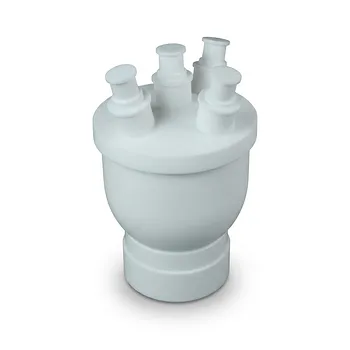
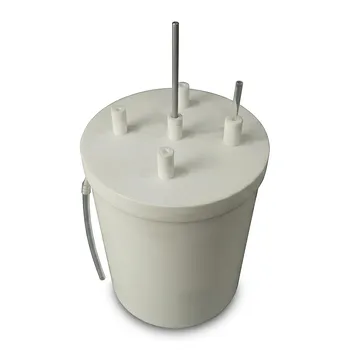
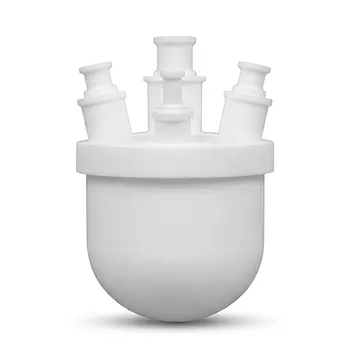
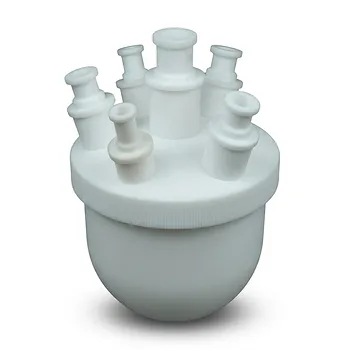
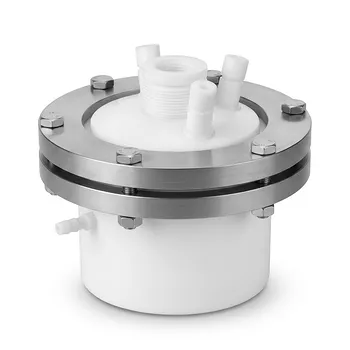
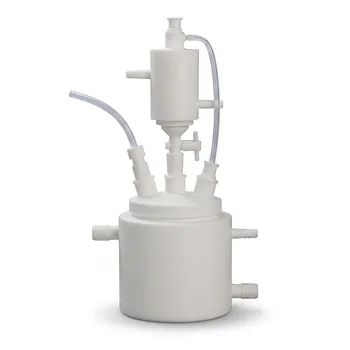
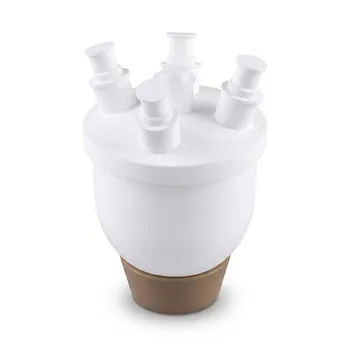
For the synthesis of MIL-100(Fe), a PTFE liner is essential because it provides the necessary chemical inertness to withstand corrosive reactants while preventing external metal ions from contaminating the framework. This liner allows the reaction to occur at high pressures and temperatures (typically 120°C), creating a subcritical environment where iron (Fe3+) ions can fully coordinate with organic ligands to form a high-surface-area structure.
Core Takeaway: The PTFE liner acts as a critical barrier that ensures chemical purity and structural integrity by protecting the reaction from vessel-wall contamination and resisting the corrosive nature of organic acids under high-pressure hydrothermal conditions.
Protecting the Reaction Environment
Resistance to Corrosive Reagents
MIL-100(Fe) synthesis utilizes trimesic acid, an organic ligand that becomes highly reactive under hydrothermal conditions. PTFE (Polytetrafluoroethylene) is uniquely qualified to resist this acidity, ensuring the vessel does not degrade during the hours or days required for crystal growth.
Prevention of Metal Ion Leaching
Standard stainless steel reactors can leach chromium, nickel, or unwanted iron isotopes when exposed to acidic mixtures at high temperatures. The PTFE liner provides a non-reactive shield, ensuring that the only iron present in the MIL-100(Fe) lattice is the high-purity Fe3+ intentionally added as a precursor.
Facilitating the Synthesis of High-Surface-Area Frameworks
Achieving the Subcritical State
The sealed environment of the reactor allows the solvent to reach a subcritical state, which is vital for the formation of complex MOFs. At 120°C, the increased pressure promotes the full coordination between the iron centers and trimesic acid, which is necessary to achieve the material’s signature high porosity.
Non-Stick Surface and Yield Optimization
The low surface energy of PTFE prevents the growing crystals from adhering to the walls of the chamber. This "non-stick" property simplifies the recovery of the MIL-100(Fe) powder, maximizing product yield and ensuring the morphology of the crystals remains consistent.
Understanding the Trade-offs
Temperature Limitations
While PTFE is exceptionally stable, it has a functional upper limit, typically around 220°C to 250°C. Exceeding these temperatures can lead to the mechanical deformation of the liner (creeping) or the release of toxic fluorinated vapors.
Thermal Lag
PTFE is an effective thermal insulator, which means it does not conduct heat as quickly as the surrounding stainless steel. Researchers must account for a thermal lag, where the internal reaction mixture takes longer to reach the target 120°C than the external furnace temperature might suggest.
How to Apply This to Your Synthesis Project
When preparing for the synthesis of iron-based metal-organic frameworks, your choice of liner material directly impacts the quality of your catalyst or adsorbent.
- If your primary focus is Phase Purity: Always use a high-purity PTFE or PFA liner to eliminate the risk of the reactor's metal shell participating in the reaction.
- If your primary focus is High Yield: Ensure the liner is free of scratches or pitting, as these imperfections can provide nucleation sites that make crystal recovery difficult.
- If your primary focus is Structural Integrity: Verify that your synthesis temperature does not exceed 220°C to prevent liner deformation, which can compromise the pressure seal of the autoclave.
By utilizing a PTFE-lined reactor, you create the ultra-clean, high-pressure environment necessary to successfully assemble the precise electronic and physical structure of MIL-100(Fe).
Summary Table:
| Feature | Benefit for MIL-100(Fe) Synthesis | Key Considerations |
|---|---|---|
| Chemical Inertness | Resists corrosive trimesic acid ligands | Prevents vessel degradation |
| Non-Reactive Shield | Eliminates metal leaching from stainless steel | Ensures high phase purity |
| Non-Stick Surface | Simplifies crystal recovery and yield | Maintains consistent morphology |
| Pressure Stability | Supports subcritical state at 120°C | Vital for ligand coordination |
| Thermal Properties | Stable up to 220°C-250°C | Account for thermal lag in furnace |
Elevate Your MOF Synthesis with KINTEK’s Precision Fluoropolymer Solutions
Achieving superior results in MIL-100(Fe) synthesis requires an environment free from contamination and resistant to harsh chemical conditions. KINTEK specializes in high-performance PTFE and PFA laboratory supplies, providing the chemical inertness your research demands.
Our extensive product range includes:
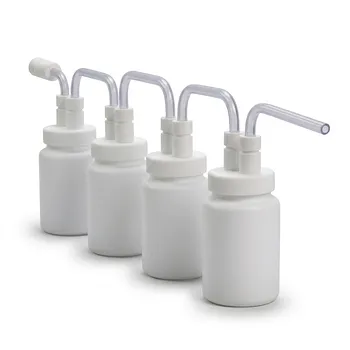
- Basic Labware: Beakers, measuring cylinders, crucibles, and reagent/wash bottles.
- Sample Prep & Fluid Transfer: Centrifuge tubes, filtration tools, tubing, fittings, and valves.
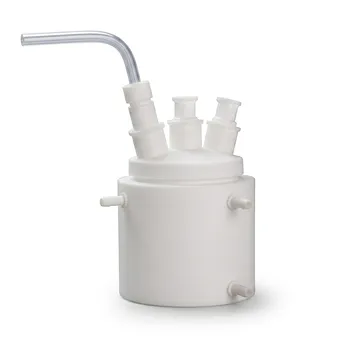
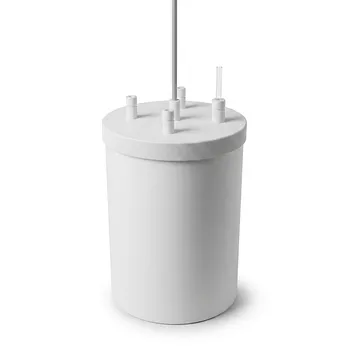
- Advanced Reaction Apparatus: Standard and custom hydrothermal synthesis liners, microwave digestion vessels, and electrochemical cells.
- Precision Consumables: Stirring bars, O-rings, and high-purity sealing tapes.
Backed by end-to-end custom CNC fabrication, KINTEK is equipped to deliver everything from high-volume standard orders to complex, non-standard machined parts and bespoke laboratory setups. We maintain an absolute focus on high-performance fluoropolymers to ensure your laboratory operates at the highest standard of purity and efficiency.
Ready to upgrade your lab setup? Contact KINTEK today to discuss your custom requirements!
References
- Tatiana Minkina, Pavel Mandzhiev. Design and Construction of Biochar Materials for Sustainable Remediation of Heavy Metal Contaminated Soil. DOI: 10.46991/jisees.2025.si1.060
This article is also based on technical information from Kintek Knowledge Base .
Related Products
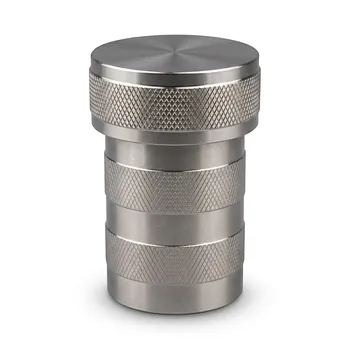
- PTFE Lined High Pressure Digestion Vessel 50ml High Temperature Hydrothermal Synthesis Tank
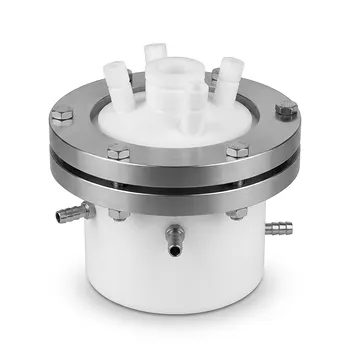
- High Pressure Custom TFM Reactor Stainless Steel Outer Vessel PTFE Inner Cup for Corrosive Synthesis
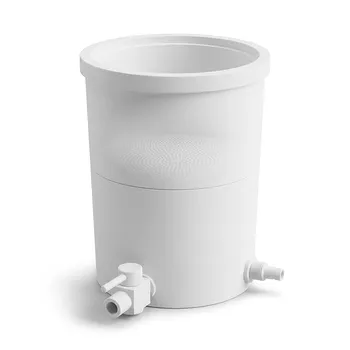
- High Temperature Corrosion Resistant Hydrothermal Synthesis Reactor with TFM Inner Liner and Straight Cylinder Design
- Custom TFM Reaction Vessel with Stainless Steel Jacket and PTFE Inner Cup for High Corrosion Resistance
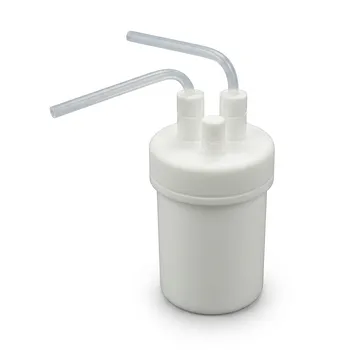
- Custom PTFE Reaction System with Hose Barb Fittings Corrosion Resistant High Sealing 2L 4L Lab Reactor with Separatory Funnel
People Also Ask
- What are the benefits of using a PTFE-lined vessel for carbon-sulfur cathode treatment? Maximize Purity & Performance
- Why are PTFE-lined pressure digestion vessels required for the preparation of Ag/CeO2 catalysts? Purity & Performance
- What is the function of high-pressure PTFE digestion vessels in mineral analysis? Optimize Sample Mineralization
- What safety features are typically incorporated into high-pressure PTFE digestion vessel designs? Ensure Lab Safety
- What is the function of PTFE lined high-pressure vessels in g-C3N4 synthesis? Achieve High-Purity Material Growth