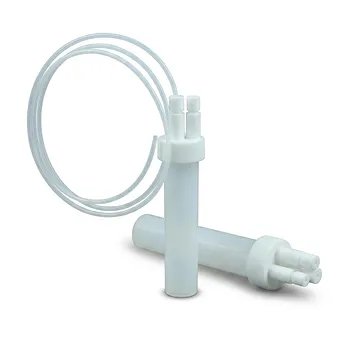
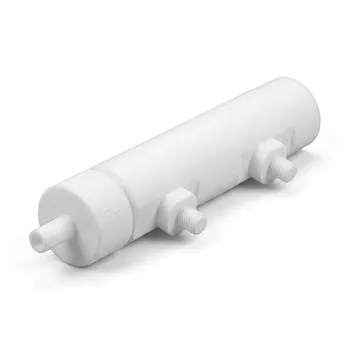
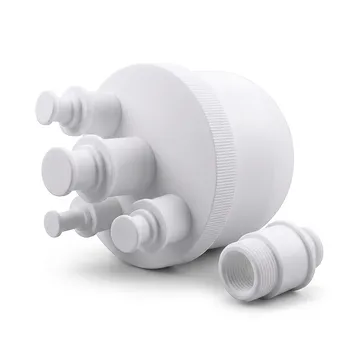
The chemical synthesis of MXenes demands extreme environmental control. To transform MAX phase precursors into high-quality MXenes, researchers utilize aggressive etchants such as hydrofluoric acid (HF) or a potent mixture of lithium fluoride (LiF) and hydrochloric acid (HCl). High-purity PTFE (polytetrafluoroethylene) liners are mandatory because they provide a near-total barrier against these corrosive agents, preventing vessel failure and ensuring the final nanomaterial remains free of metallic impurities.
Core Takeaway: PTFE-lined vessels are required for MXene etching because they offer unmatched chemical inertness against fluoride-based acids, protecting the structural integrity of the container while preventing metal ion leaching that would otherwise contaminate the MXene slurry.
Resistance to Aggressive Chemical Attack
Neutralizing the Corrosivity of Fluoride Ions
The etching process specifically targets and removes the "A" layer (usually aluminum) from the MAX phase precursor.
This requires highly concentrated acidic solutions that would rapidly dissolve glass or standard metallic containers.
PTFE is uniquely capable of withstanding these fluoride-rich environments without undergoing chemical degradation or structural weakening.
Performance in Closed, High-Acid Systems
MXene preparation often occurs in closed systems to maintain concentration levels and ensure safety.
A high-purity PTFE liner ensures that the reaction can proceed under pressure or at elevated temperatures without the risk of the vessel wall thinning or rupturing.
This stability is critical for long-duration reactions, which can sometimes last up to 96 hours depending on the specific MAX phase being etched.
Maintaining Material Purity and Integrity
Prevention of Metal Ion Leaching
One of the most critical roles of the PTFE liner is acting as a barrier against secondary contamination.
Standard metal or low-grade plastic containers can leach ions into the acidic slurry, which then integrate into the MXene layers.
By using high-purity PTFE, researchers ensure that the electrical and catalytic properties of the resulting Ti3C2Tx (or other MXenes) are not compromised by stray metallic impurities.
Ensuring Experimental Accuracy
The purity of the precursor is vital for the success of subsequent applications, such as photocatalysis or energy storage.
Contamination from the reaction vessel can lead to inaccurate experimental results or poor conductivity in the final nanosheets.
A clean reaction environment provided by fluoropolymer materials allows for the precise characterization of the MXene’s intrinsic properties.
Understanding the Trade-offs
Thermal and Structural Limitations
While PTFE is chemically superior, it is a thermal insulator, meaning heat transfer to the reaction mixture can be slower than in metallic vessels.
Researchers must account for this lag when monitoring reaction temperatures to ensure consistent etching results.
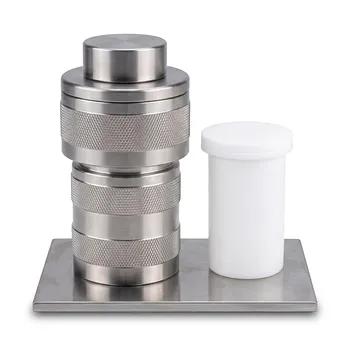
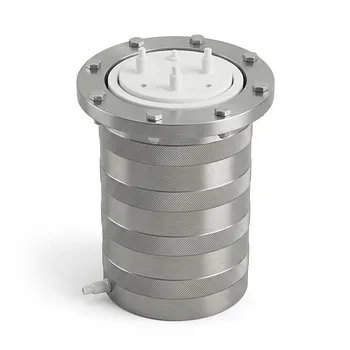
Additionally, PTFE can undergo mechanical deformation (creep) under extreme pressure and high temperatures, requiring it to be supported by a secondary stainless steel jacket.
Recovery and Maintenance
The non-stick surface of PTFE is a significant advantage for recovering the final MXene product from the vessel.
However, high-purity liners require specialized cleaning protocols to ensure that no residue from previous batches remains trapped in the polymer's microscopic pores.
Failure to properly maintain the liner can lead to cross-contamination between different MXene synthesis runs.
How to Apply This to Your Project
Selecting the Right Reaction Setup
- If your primary focus is maximum material purity: Use high-purity PTFE or PFA (perfluoroalkoxy) liners to eliminate the risk of metallic ion leaching during the etching phase.
- If your primary focus is safety during long-duration etching: Ensure the PTFE liner is housed within a high-grade stainless steel autoclave to prevent vessel failure during extended exposure to concentrated acids.
- If your primary focus is high product yield: Leverage the non-stick properties of fluoropolymers to ensure total recovery of the MXene slurry and minimize loss during the transfer process.
By prioritizing the use of high-purity PTFE, you secure both the safety of the laboratory environment and the electrochemical integrity of the synthesized MXenes.
Summary Table:
| Feature | Benefit for MXene Synthesis |
|---|---|
| Chemical Inertness | Withstands aggressive HF and HCl/LiF etchants without degrading. |
| High Purity | Prevents metal ion leaching, ensuring the electrical integrity of MXenes. |
| Non-Stick Surface | Maximizes product recovery and simplifies cleaning after long reactions. |
| Structural Safety | Maintains integrity in closed systems during extended 96-hour etching. |
| Thermal Stability | Reliable performance at the elevated temperatures required for MAX phase removal. |
Elevate Your MXene Research with KINTEK’s Fluoropolymer Expertise
Don't let metallic impurities or vessel failure compromise your nanomaterial synthesis. KINTEK specializes in high-performance fluoropolymer solutions designed for the most demanding laboratory environments. From everyday basics like PTFE beakers, digestion tubes, and reagent bottles to advanced hydrothermal synthesis liners and custom reaction apparatus, we ensure your research remains uncontaminated and precise.
Why partner with KINTEK?
- Comprehensive Range: We provide everything from fluid transfer components (tubing, valves) to sample prep tools and high-purity cleaning tanks.
- Custom Fabrication: Our end-to-end CNC machining allows us to deliver bespoke laboratory setups and complex non-standard parts tailored to your specific MXene etching protocols.
- Absolute Focus: We maintain an exclusive focus on PTFE and PFA materials, ensuring unmatched chemical resistance for your high-acid applications.
Secure the integrity of your experimental results today. Contact KINTEK for expert consultation and custom quotes.
References
- Hehe Wei, Ying Xie. Interface engineering to optimize the catalytic activity of Fe, Co, and Ti sites in FeCoP/MXene toward efficient overall water splitting. DOI: 10.1007/s12598-025-03461-1
This article is also based on technical information from Kintek Knowledge Base .
Related Products
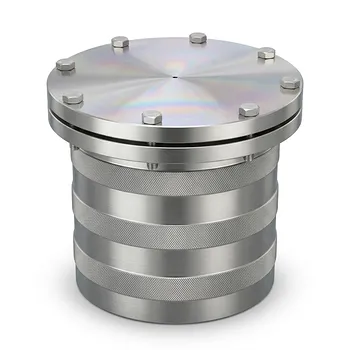
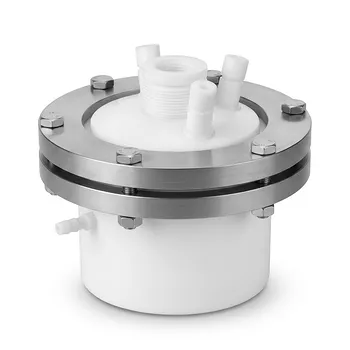
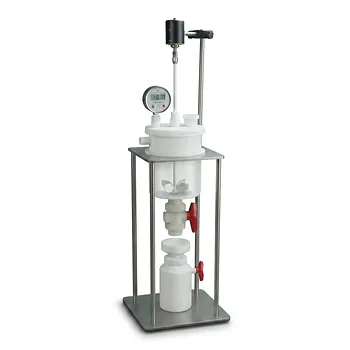
- Custom TFM Reaction Vessel with Stainless Steel Jacket and PTFE Inner Cup for High Corrosion Resistance
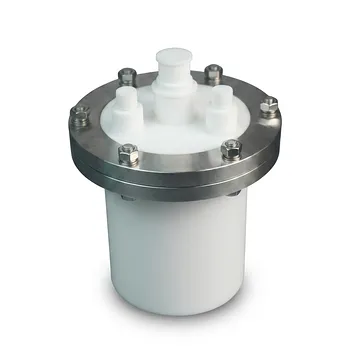
- PTFE Lined High Pressure Digestion Vessel 50ml High Temperature Hydrothermal Synthesis Tank
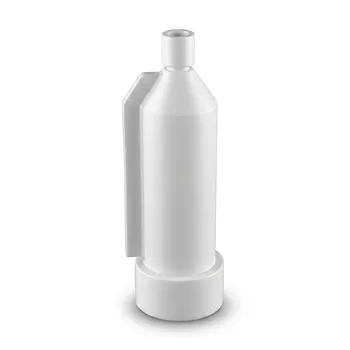
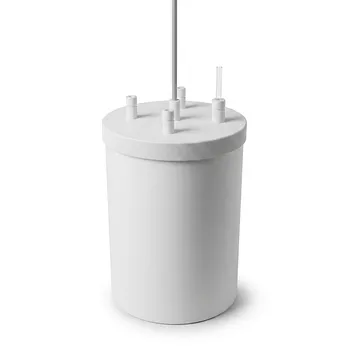
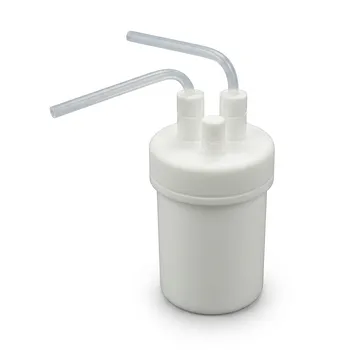
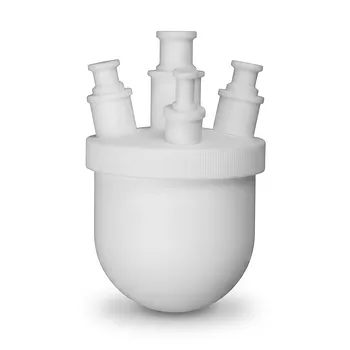
- High Purity PTFE Corrosion Resistant Reaction Vessel with Luer Fittings and Caps for Trace Analysis
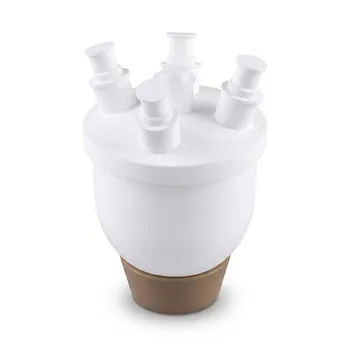
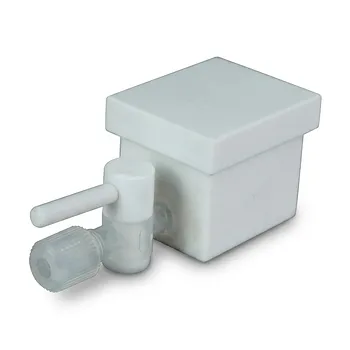
- High Performance Customizable PTFE Reaction Vessel and Corrosion Resistant Polytetrafluoroethylene Flask for Chemical Laboratory Use
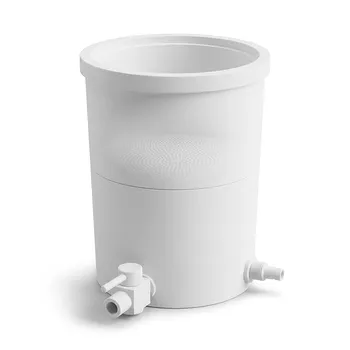
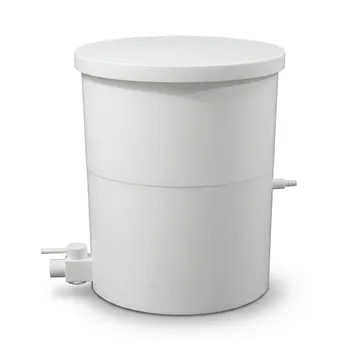
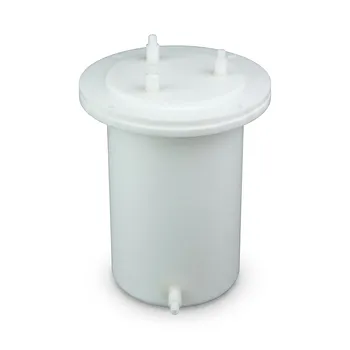
- Large Scale PTFE Double Layer Reaction Tank with Integrated Filter Plate for Chemical Processing
People Also Ask
- Why are high-performance pressure-resistant reaction vessels required for oxygen-assisted hydrothermal conversion at 150 °C?
- Why are high-quality fluoropolymer-lined reaction vessels required for alk-Ti3C2Tx MXene? Ensure Purity & HF Resistance
- How do magnetic stirring and reaction vessels impact MOF-derived carbon quality? Optimize Your Composite Performance
- Why are PTFE-lined reaction vessels necessary for forced degradation studies? Ensure high-purity results and accuracy.
- Why are PTFE-lined reaction vessels necessary for alkali stability tests? Ensure accurate ionomer degradation data.