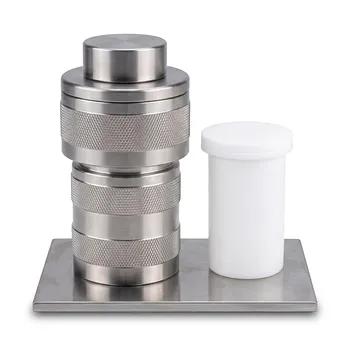
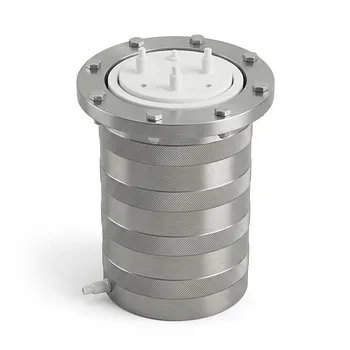
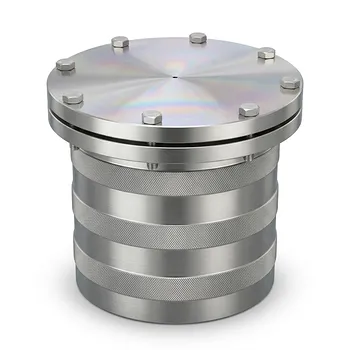
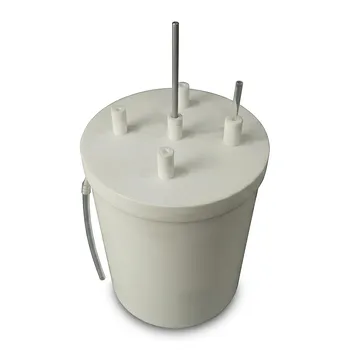
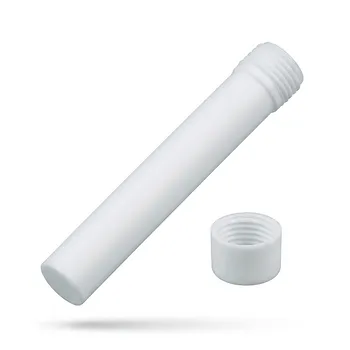
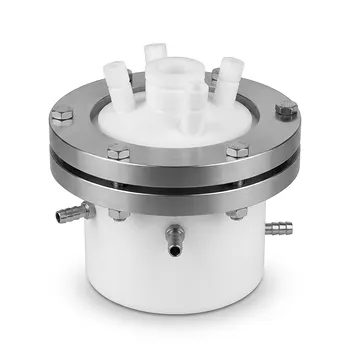
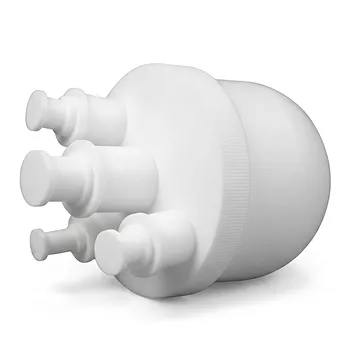
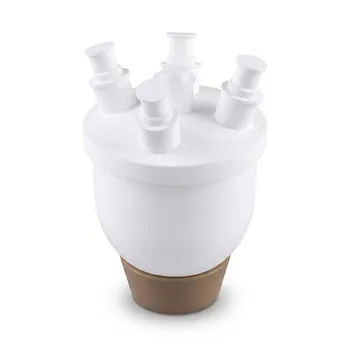
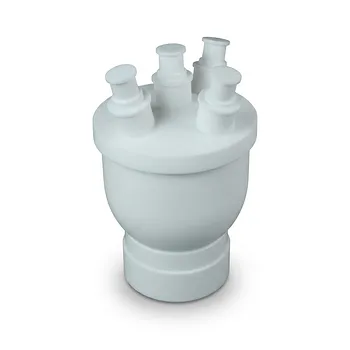
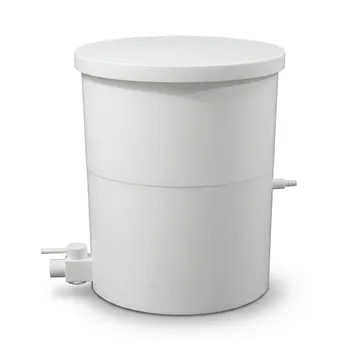
PTFE-lined high-pressure reactors are indispensable for hydrothermal synthesis because they create a chemically inert, high-energy environment required to form pure, crystalline cobalt ferrite. These reactors allow precursors to undergo complete transformation and recrystallization at temperatures typically ranging from 180°C to 220°C under autogenous pressure. The liner acts as a critical barrier, preventing corrosive reactants from damaging the metal reactor and ensuring the resulting nanoparticles remain free from metal impurities.
The use of a PTFE liner in high-pressure reactors ensures the production of high-purity, spinel-structured cobalt ferrite by providing a corrosion-resistant, non-stick environment that withstands the extreme temperatures and pressures necessary for crystal growth.
Facilitating the Spinel Phase Transformation
Managing High Temperatures and Autogenous Pressure
The synthesis of cobalt ferrite requires a high-energy environment to force the transformation of precursor precipitates into a solid crystalline structure. A high-pressure reactor maintains the autogenous pressure generated as the liquid medium is heated to temperatures like 180°C or 200°C.
Achieving High Crystallinity and Magnetic Stability
Under these high-pressure conditions, the reaction system facilitates the recrystallization of materials into a spinel-structured cobalt ferrite. This process is essential for producing nanomaterials with high crystallinity, which directly dictates the stability and strength of their magnetic properties.
Ensuring Chemical Purity and Material Integrity
Prevention of Metal Ion Leaching
Hydrothermal synthesis often involves harsh chemical environments that can react with the metal walls of a standard autoclave. The PTFE liner provides exceptional chemical inertness, isolating the reaction media from the stainless steel shell to prevent metal ions from leaching into the system.
Resistance to Corrosive Reactants
The liner is specifically designed to resist strong acids and strong bases that are frequently used to control the pH during the synthesis process. This resistance ensures that the internal environment remains stable, allowing for the controlled growth of nanocrystals without interference from side reactions with the container.
Operational Efficiency and Product Recovery
Non-Stick Properties and Ease of Collection
PTFE is known for its excellent mold-release and non-stick properties, which are vital when working with nanopowders. This characteristic ensures that the synthesized cobalt ferrite can be easily collected after the reaction, maximizing yield and simplifying the cleaning process.
Protection of the Outer Autoclave Shell
By serving as a sacrificial or protective barrier, the PTFE liner prevents erosion and corrosion of the expensive stainless steel outer vessel. This isolation not only ensures the purity of the current batch but also extends the operational lifespan of the high-pressure hardware.
Understanding the Trade-offs
Temperature Limitations
While PTFE is highly versatile, it has a strict thermal ceiling, typically around 220°C to 250°C. Exceeding these temperatures can cause the liner to soften or deform, potentially leading to a loss of the pressure seal or contamination of the sample.
Thermal Expansion and Sealing
PTFE has a different coefficient of thermal expansion than the metal shell of the reactor. Users must ensure the reactor is cooled slowly and designed to accommodate these changes to prevent the liner from buckling or cracking during the transition from high-heat to room temperature.
Making the Right Choice for Your Goal
How to Apply This to Your Project
- If your primary focus is high magnetic performance: Prioritize maintaining a consistent temperature of at least 180°C within the reactor to ensure the complete formation of the spinel structure.
- If your primary focus is material purity: Always inspect the PTFE liner for scratches or degradation before use to ensure a perfect barrier against metal contamination from the autoclave walls.
- If your primary focus is equipment longevity: Ensure the liner is properly seated and never exceed the manufacturer’s rated temperature to protect the structural integrity of the outer pressure vessel.
By mastering the balance of temperature, pressure, and chemical isolation, researchers can consistently produce high-quality cobalt ferrite nanoparticles tailored for advanced technological applications.
Summary Table:
| Feature | Benefit for Cobalt Ferrite Synthesis | Technical Detail |
|---|---|---|
| Chemical Inertness | Prevents metal leaching and contamination | Resists strong acids and bases |
| High Pressure Support | Facilitates spinel phase transformation | Manages autogenous pressure |
| Thermal Stability | Enables high crystallinity and magnetic strength | Ideal for 180°C - 220°C ranges |
| Non-Stick Surface | Maximizes yield and simplifies collection | Excellent mold-release properties |
| Corrosion Protection | Extends lifespan of the stainless steel autoclave | Acts as a sacrificial barrier |
Elevate Your Synthesis Precision with KINTEK
Achieve uncompromising purity in your nanoparticle research with KINTEK’s high-performance fluoropolymer solutions. Whether you are performing hydrothermal synthesis or complex fluid transfers, we provide the specialized equipment needed to maintain a contamination-free environment.
From everyday basic labware—including beakers, crucibles, and digestion tubes—to advanced reaction apparatus like PTFE hydrothermal synthesis liners, microwave digestion vessels, and custom electrochemical cells, KINTEK manufactures virtually all imaginable laboratory supplies crafted from PTFE and PFA.
Why choose KINTEK?
- Expert Fabrication: Backed by end-to-end custom CNC machining for bespoke laboratory setups.
- Comprehensive Range: From high-purity trace analysis instruments to comprehensive fluid transfer components (tubing, valves, and fittings).
- Absolute Focus: Dedicated exclusively to high-performance fluoropolymers for extreme chemical resistance.
Contact us today to discuss your custom requirements and optimize your lab’s efficiency!
References
- Sevil Özer, А. Bingolbali. Synthesis and Characterization of Coated CoFe<sub>2</sub>O<sub>4</sub> Nanoparticles with Biocompatible Compounds and In Vitro Toxicity Assessment on Glioma Cell Lines. DOI: 10.1002/admi.202400613
This article is also based on technical information from Kintek Knowledge Base .
Related Products
- PTFE Lined High Pressure Digestion Vessel 50ml High Temperature Hydrothermal Synthesis Tank
- High Pressure Custom TFM Reactor Stainless Steel Outer Vessel PTFE Inner Cup for Corrosive Synthesis
- Custom TFM Reaction Vessel with Stainless Steel Jacket and PTFE Inner Cup for High Corrosion Resistance
- PTFE 10L Reaction Vessel with Stirring Paddle Customizable Corrosion Resistant High Temperature Reactor for Biopharmaceutical and Chemical Processing
- High Purity PTFE Reaction Vessel Polyfluortetraethylene Cylindrical Tank Petrochemical Reaction Container
People Also Ask
- What are the benefits of using a PTFE-lined vessel for carbon-sulfur cathode treatment? Maximize Purity & Performance
- Why are PTFE-lined pressure digestion vessels required for the preparation of Ag/CeO2 catalysts? Purity & Performance
- What safety features are typically incorporated into high-pressure PTFE digestion vessel designs? Ensure Lab Safety
- What is the function of PTFE lined high-pressure vessels in g-C3N4 synthesis? Achieve High-Purity Material Growth
- Role of High-Pressure Digestion Tanks in Perovskite Synthesis: Achieve Superior Stability and Latent Heat