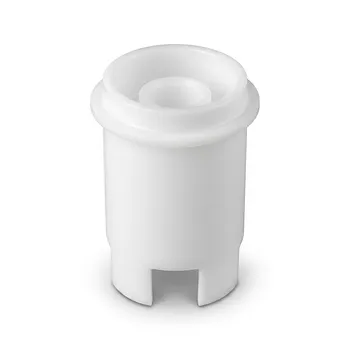
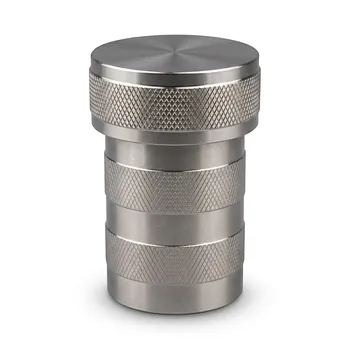
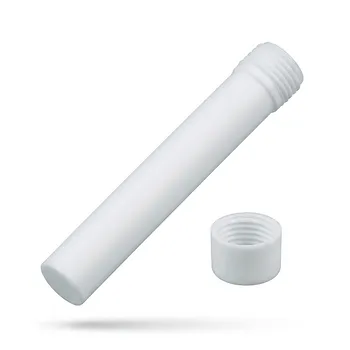
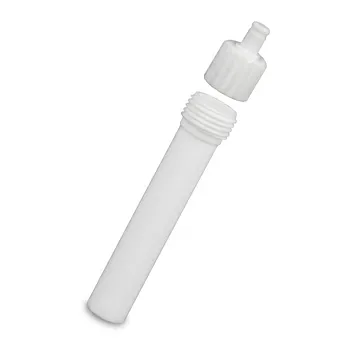
The high-pressure autoclave with a PTFE liner is the cornerstone of hydrothermal reduction. It provides the necessary high-temperature and pressurized environment to strip oxygen-containing functional groups from graphene oxide while ensuring the resulting material remains free of metallic impurities.
This equipment setup facilitates the simultaneous chemical reduction and structural restoration of graphene oxide. By combining mechanical strength with chemical inertness, it allows for the synthesis of high-purity reduced graphene oxide (rGO) that would otherwise be contaminated or under-processed in standard vessels.
The Role of High Pressure and Temperature
Driving the Hydrothermal Reduction Process
The autoclave creates a sealed environment where temperatures can exceed the boiling point of the solvent, generating autogenous pressure. This high-pressure state is critical because it facilitates the removal of oxygen-containing functional groups, which is the fundamental step in transforming graphene oxide into reduced graphene oxide.
Restoring the Graphene Lattice
Under these extreme conditions, the "solvothermal" or "hydrothermal" process promotes the restoration of the conjugated carbon structure. The energy provided by the heat and pressure allows the carbon atoms to reorganize, repairing the defects caused by the original oxidation process.
Dissolution and Nucleation
The pressurized environment is essential for the dissolution and nucleation of precursors. If the rGO is being hybridized with other materials, such as metal oxides, the autoclave ensures these materials recrystallize uniformly on the graphene surface.
The Critical Functions of the PTFE Liner
Preventing Metallic Contamination
Standard autoclave bodies are made of stainless steel, which can leach metal ion impurities when exposed to corrosive reagents. The polytetrafluoroethylene (PTFE) liner acts as an absolute barrier, ensuring that the rGO nanosheets maintain high chemical and phase purity.
Resistance to Corrosive Reagents
The preparation of rGO often involves strong acids, alkalis, or polar solvents like dimethylformamide (DMF). PTFE is chosen for its exceptional chemical inertness, allowing it to withstand these harsh chemicals at high temperatures without degrading or reacting with the sample.
Maximizing Product Recovery
PTFE possesses unique non-stick properties that are vital during the collection phase. These properties prevent the generated rGO or carbon hybrids from adhering to the container walls, allowing for the complete collection of the synthesized precipitate.
Understanding the Trade-offs
Temperature and Pressure Limitations
While PTFE is highly resilient, it has a maximum operating temperature, typically around 200°C. Exceeding these limits can cause the liner to soften or deform, potentially leading to a breach and the subsequent corrosion of the outer steel shell.
Monitoring Autogenous Pressure
Because the pressure is generated internally by the heating of solvents (autogenous pressure), it can be difficult to measure precisely in real-time within a standard benchtop autoclave. Users must carefully calculate filling Ratios to prevent over-pressurization, which could lead to mechanical failure of the vessel.
Long-Term Material Fatigue
Repeated cycling between room temperature and high reaction temperatures can eventually cause the PTFE to become brittle or "creep." This necessitates regular inspection of the liner for cracks or thinning to ensure the integrity of the reaction environment and the safety of the lab.
How to Apply This to Your Project
Choosing Your Setup
- If your primary focus is maximum chemical purity: Prioritize a high-purity PTFE liner and ensure it is thoroughly cleaned between runs to prevent cross-contamination of ions.
- If your primary focus is structural restoration: Focus on optimizing the temperature and pressure settings within the autoclave to ensure the maximum removal of oxygen groups.
- If your primary focus is material yield: Leverage the non-stick properties of the PTFE liner by using mechanical recovery methods that do not scratch the liner surface.
The integration of high-pressure autoclaves and PTFE liners remains the gold standard for producing high-quality, uncontaminated reduced graphene oxide.
Summary Table:
| Feature | Role in rGO Preparation |
|---|---|
| High Pressure/Temp | Drives oxygen removal and restores the carbon lattice structure. |
| PTFE Chemical Inertness | Prevents metallic contamination and resists corrosive reagents like acids/DMF. |
| Non-Stick Surface | Ensures complete product recovery by preventing rGO from adhering to walls. |
| Sealed Environment | Enables autogenous pressure critical for hydrothermal reduction and nucleation. |
Elevate Your Research with KINTEK High-Performance Fluoropolymers
Precision in reduced graphene oxide synthesis demands the highest quality materials. KINTEK specializes in high-performance PTFE and PFA laboratory supplies, ensuring your experiments remain free of contamination and high in yield.
Whether you require standard hydrothermal synthesis liners, microwave digestion vessels, or everyday basics like beakers, crucibles, and reagent bottles, our products are designed for extreme chemical resistance. Our expertise extends to high-purity trace analysis instruments, fluid transfer components (tubing, fittings, valves), and specialized electrochemical cells.
Why choose KINTEK?
- Comprehensive Range: From centrifuge tubes and filters to custom-machined CNC parts.
- Bespoke Solutions: We deliver everything from one-off non-standard setups to high-volume industrial orders.
- Unmatched Durability: Absolute focus on premium fluoropolymers for long-term lab safety and performance.
Ready to optimize your lab's efficiency and product purity? Contact KINTEK today to discuss your project needs!
References
- Edwin Makhado, Wilson M. Seleka. Innovative self-assembled silver nanoparticles on reduced graphene oxide hydrogel nanocomposite for improved electrochemical hydrogen generation and sensing. DOI: 10.1038/s41598-025-13976-3
This article is also based on technical information from Kintek Knowledge Base .
Related Products
- PTFE Lined High Pressure Digestion Vessel 50ml High Temperature Hydrothermal Synthesis Tank
- Custom TFM Reaction Vessel with Stainless Steel Jacket and PTFE Inner Cup for High Corrosion Resistance
- High Pressure Custom TFM Reactor Stainless Steel Outer Vessel PTFE Inner Cup for Corrosive Synthesis
- High Pressure PTFE Digestion Vessel Inner Cup Holder Custom Corrosion Resistant Low Background Teflon
- High Temperature Corrosion Resistant Hydrothermal Synthesis Reactor with TFM Inner Liner and Straight Cylinder Design
People Also Ask
- What are the benefits of using a PTFE-lined vessel for carbon-sulfur cathode treatment? Maximize Purity & Performance
- Why are PTFE-lined pressure digestion vessels required for the preparation of Ag/CeO2 catalysts? Purity & Performance
- What safety features are typically incorporated into high-pressure PTFE digestion vessel designs? Ensure Lab Safety
- What is the function of PTFE lined high-pressure vessels in g-C3N4 synthesis? Achieve High-Purity Material Growth
- Role of High-Pressure Digestion Tanks in Perovskite Synthesis: Achieve Superior Stability and Latent Heat